

Accessory Drive Belt Guide for the 2010-2016 Audi A5
Everything an owner needs to know about choosing the right aftermarket accessory belt and recognizing failure symptoms.
- Inspect the belt for cracks and listen for squealing at every oil change, especially after 60,000 miles.
- A failing belt is a critical issue; if it breaks, you will lose power steering and the battery will stop charging, potentially leaving you stranded.
- For best results, replace the belt tensioner and idler pulleys at the same time as the belt.
- Aftermarket brands like Gates, Dayco, and Continental are high-quality, OEM-equivalent options for the Audi A5.
Signs of a Failing Accessory Drive Belt
A worn or failing accessory belt will almost always give you warning signs. Ignoring them can lead to a sudden breakdown, as a snapped belt will shut down critical systems instantly. Look for these common symptoms:
- Squealing or Chirping Noises: This is the most common sign. A high-pitched squeal, especially when you start the engine, accelerate, or turn on the A/C, usually means the belt is slipping because it's worn, stretched, or the tensioner is weak.
- Visible Wear and Tear: Pop the hood and look at the belt. If you see cracks, fraying, glazing (shiny spots), or missing chunks of the ribbed material, it's time for a replacement.
- Accessory System Failures: If your battery warning light comes on, your power steering feels heavy and difficult to turn, or your A/C stops blowing cold air, the belt may not be able to power those components effectively anymore.
- Engine Overheating: If the belt that drives your water pump fails, the engine can overheat very quickly. This can cause serious and expensive engine damage.
Choosing the Right Aftermarket Belt
For a vehicle like the Audi A5, you don't have to buy the belt from the dealership to maintain reliability. Many aftermarket brands are Original Equipment Manufacturers (OEM), meaning they supply the parts to Audi for the factory assembly. Brands like Continental, Gates, and Dayco are well-regarded and often produce the OEM part.
Here's a breakdown of the available brands:
| Brand Tier | Brands | General Assessment |
|---|---|---|
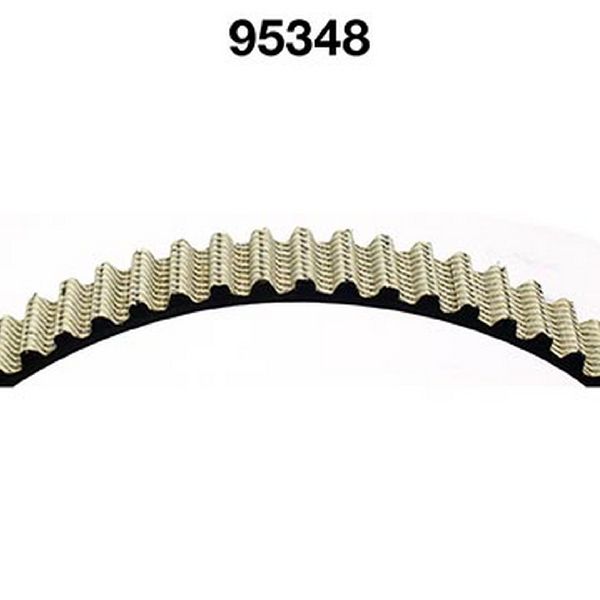
| OEM-Equivalent / Premium | Gates, Dayco, Continental | These brands are widely considered top-tier choices for European vehicles. They are often the original supplier to Audi and offer excellent durability and fit. You can expect performance and longevity similar to the original factory belt. |
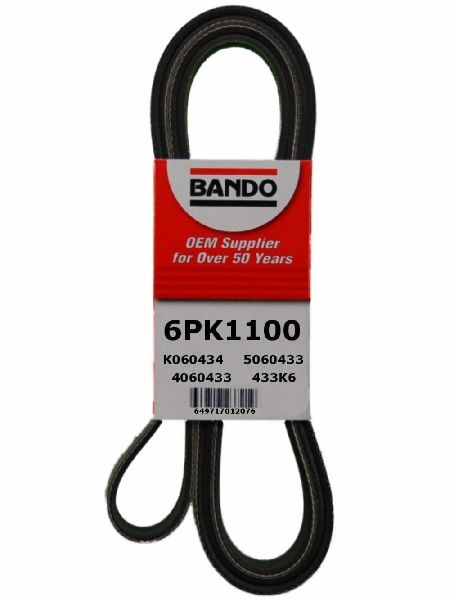
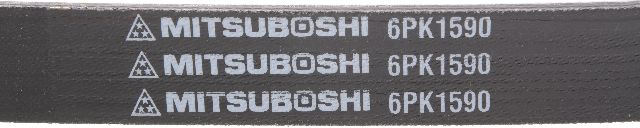
| High-Quality Aftermarket | Bando, Mitsuboshi | Bando and Mitsuboshi are major OEM suppliers for many Japanese vehicles and have a strong reputation for quality. While less commonly associated with Audi, they produce reliable belts that meet or exceed OEM specifications and are a solid choice. |
| Standard Aftermarket | ACDelco | ACDelco is a well-known brand, but it often re-brands parts from other manufacturers. While generally reliable, it's worth checking the specific part, as quality can vary. For an Audi, sticking with a known European or OEM-supplier brand like Gates or Continental is often the safer bet. |
Pro Tip: Replace the Tensioner and Pulleys
It is highly recommended to replace the belt tensioner and any idler pulleys at the same time as the belt. These components wear out and a failing tensioner can cause a brand new belt to slip, squeal, or fail prematurely. Many brands offer complete kits that include the belt, tensioner, and pulleys.
Known Issues, Recalls, and Service Bulletins
For the 2010-2016 model years, there are no specific recalls related to the accessory drive belt itself. Searches on the National Highway Traffic Safety Administration (NHTSA) database show recalls for seat belts on some 2017 models, but not the engine accessory belt for this generation. However, Audi has issued Technical Service Bulletins (TSBs) for later models regarding belt noise, which can sometimes provide insight into common issues. A TSB is a notice from the manufacturer to dealers about a known problem and a recommended repair procedure. If you experience persistent belt noise, a dealer may have specific diagnostic steps to follow.
Frequently Asked Questions (FAQ)
When should I replace my Audi A5's accessory belt?
Most manufacturers recommend replacing the accessory belt between 60,000 and 100,000 miles. However, it's best to inspect it visually at every oil change, especially after 60,000 miles. If you see any cracks, fraying, or hear squealing, it should be replaced regardless of mileage.
Is the water pump on the 2.0T engine driven by the accessory belt?
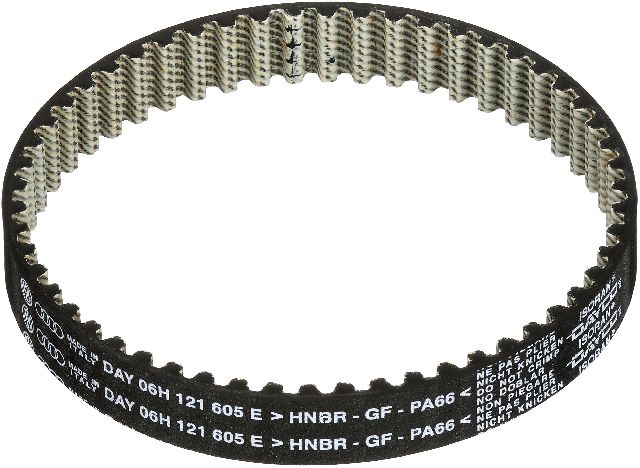
On many 2.0T TFSI engines used in the 2010-2016 A5, the water pump is driven by a small, separate toothed belt that is connected to a balance shaft, not the main serpentine belt. However, it's critical to confirm the configuration for your specific engine, as a failure of this small belt can still lead to overheating.
Can I replace the accessory belt myself?
For a DIYer with the right tools, this is a feasible job. The main challenge is releasing the tension on the automatic tensioner to remove and install the belt. It requires a specific tool or a long-handled wrench. The difficulty is moderate, but space can be tight. Always make a diagram or take a picture of the belt's routing before you remove it.
What is the difference between an accessory belt and a timing belt?
The accessory belt (or serpentine belt) runs on the outside of the engine and powers accessories like the alternator and A/C. The 2.0T engine in this A5 generation uses a timing *chain*, which is located inside the engine and synchronizes the crankshaft and camshafts. The timing chain is a much more complex job to replace and is designed to last much longer than an accessory belt.
Technical Specifications
OEM Part Numbers: 06J260849F 06H121605E 06L903137A 06K903137F
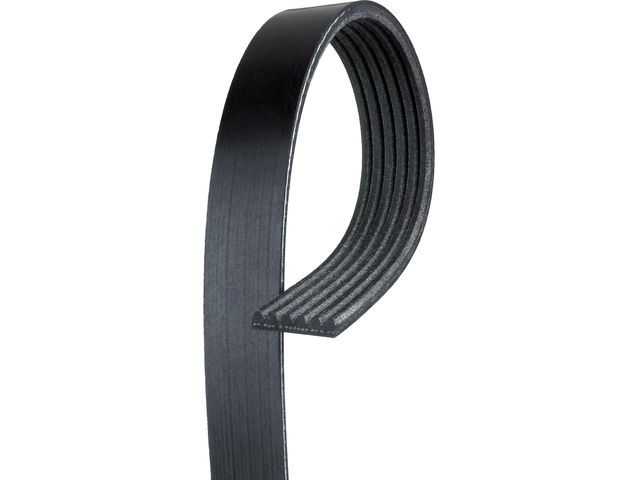
The 2010-2016 Audi A5 with the 2.0T engine typically uses a multi-ribbed (Poly-V) serpentine belt. There may be two belts in the system: a main serpentine belt for accessories and a smaller, separate belt for the water pump. It is crucial to verify the correct part numbers using your vehicle's VIN.
We Have This Part in Stock

The information in this article is provided for general reference and educational purposes only. Vehicle specifications, procedures, and part compatibility can vary by production date, trim level, and region. Always consult your vehicle's factory service manual and verify part numbers before purchasing or performing repairs. Safety-critical components such as airbags, seat belts, and braking systems should be installed by a qualified professional.
- Audi A5: