

Audi Q5 A/C Receiver Drier Guide for 2010-2016 Models
Understand when and why you need to replace your Q5's A/C receiver drier to keep your air conditioning blowing cold.
- The A/C receiver drier must be replaced every time the A/C system is opened for service.
- Failure to replace the drier can lead to corrosion and damage to new, expensive components like the A/C compressor.
- This is not a DIY-friendly repair; it requires special equipment to handle refrigerant safely.
- An aftermarket brand like Four Seasons is a cost-effective and reliable choice for this routine replacement part.
Is Your Audi Q5's A/C Not as Cold as It Used to Be?
If the air conditioning in your 2010-2016 Audi Q5 isn't performing well, you might have a problem with the A/C system. While several components could be the cause, the A/C receiver drier is a part that often needs replacement during A/C service. This component is not a part that typically fails on its own; its replacement is usually required when other major A/C components, like the compressor or condenser, are serviced or replaced.
Pro-Tip: Always Replace, Never Reuse
The receiver drier should be replaced every time the A/C system is opened to the atmosphere for a repair. The desiccant material inside becomes saturated with moisture from the air very quickly, making it useless. Failing to replace the drier during a repair can cause the new components to fail prematurely and may void their warranty.
Symptoms of a Failing A/C System
While the receiver drier itself rarely fails independently, a problem with it can cause or be a symptom of broader A/C issues. Here are signs that your A/C system, and possibly the drier, needs attention:
- Weak or Warm Air: The most common symptom. If the drier is clogged, it restricts refrigerant flow, leading to poor cooling.
- Musty or Moldy Smell: A failing drier can't absorb moisture effectively, leading to mold and mildew growth in the system.
- Rattling Noises: Internal components of the drier can break down and rattle, or the desiccant material can come loose.
- Visible Refrigerant Leaks: While rare for the drier itself, you might see oily residue on A/C components or fittings if the system has a leak.
Choosing the Right Aftermarket Part
For a component like the A/C receiver drier, the brand is less critical than the practice of replacing it whenever the system is serviced. OEM parts are available but are significantly more expensive. A quality aftermarket brand like Four Seasons provides a reliable and cost-effective alternative that meets the necessary specifications for your Audi Q5. Since this part is a routine replacement item during major A/C work, an affordable aftermarket option is a smart choice.
Cost Comparison: 2010-2016 Audi Q5 A/C Receiver Drier
| Part Type | Estimated Cost |
|---|---|
| New OEM | $142 - $216 |
| New Aftermarket (Four Seasons) | $22 - $61 |
| Shop Labor | $122 - $179 |
Known Issues and Recalls
There are no specific recalls or widespread technical service bulletins (TSBs) for the A/C receiver drier on the 2010-2016 Audi Q5. Failure is typically related to general A/C system maintenance and the part's standard service life, which ends whenever the system is opened for repair.
Frequently Asked Questions (FAQ)
Do I have to replace the receiver drier when I replace my A/C compressor?
Yes, absolutely. When an A/C compressor fails, it often sends small metal particles throughout the system. The new receiver drier will filter these contaminants out. Most importantly, failing to replace the drier will almost certainly void the warranty on your new compressor.
Can I replace the A/C receiver drier myself?
This is not a recommended DIY job for beginners. Replacing any A/C component requires specialized equipment to safely recover the old refrigerant and then vacuum and recharge the system. Improper handling of refrigerant is harmful to the environment and can be dangerous. This job is best left to a qualified mechanic.
How often should the A/C receiver drier be replaced?
It should be replaced every time the A/C system is opened for service, such as for a compressor, condenser, or hose replacement. Some mechanics recommend replacing it proactively every 3-4 years to maintain system health, but the most critical time is during other A/C repairs.
What's the difference between a receiver/drier and an accumulator?
They perform similar functions but are used in different types of A/C systems. Your Audi Q5 uses an expansion valve system, which requires a receiver/drier located on the high-pressure side of the system. Accumulators are used in systems with an orifice tube and are on the low-pressure side.
Technical Specifications
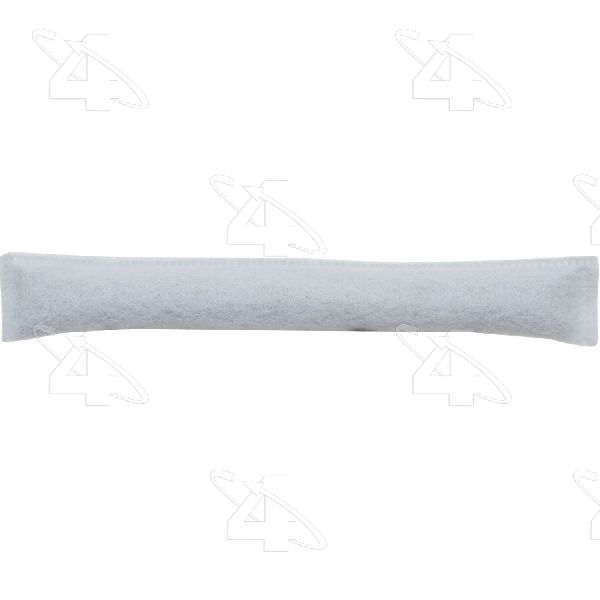
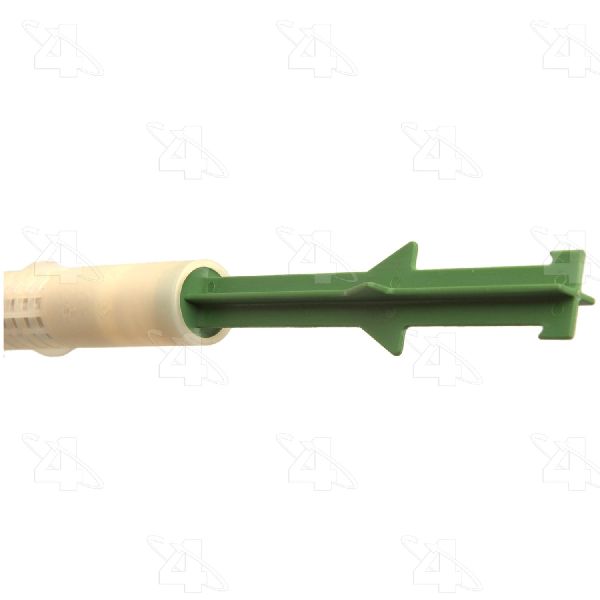
This part is a canister-like filter containing desiccant. It is located in the high-pressure line of the A/C system, between the condenser and the expansion valve.
We Have This Part in Stock

The information in this article is provided for general reference and educational purposes only. Vehicle specifications, procedures, and part compatibility can vary by production date, trim level, and region. Always consult your vehicle's factory service manual and verify part numbers before purchasing or performing repairs. Safety-critical components such as airbags, seat belts, and braking systems should be installed by a qualified professional.
- Audi Q5:
- 🛍️ Shop This Part
- Is Your Audi Q5's A/C Not as Cold as It Used to Be?
- Pro-Tip: Always Replace, Never Reuse
- Symptoms of a Failing A/C System
- Choosing the Right Aftermarket Part
- Cost Comparison: 2010-2016 Audi Q5 A/C Receiver Drier
- Known Issues and Recalls
- Frequently Asked Questions (FAQ)
- 🎟️ Get 5% Off