

Engine Coolant Temperature Sensor Guide for the 2010-2016 BMW X1 (E84)
Erratic temperature gauge or poor fuel economy? Your X1's coolant temperature sensor could be the culprit.
- Verify your engine (N52, N20, or N55) to find the correct sensor location, as it can be on the cylinder head or in the radiator hose.
- Symptoms range from a simple check engine light and bad MPG to serious issues like engine overheating or black smoke.
- For a critical part on a BMW, choosing a premium aftermarket brand like Delphi, Vemo, or Beck Arnley is a wise investment over cheaper options.
- Replacement is a simple DIY for many, but the engine must be cold and you should have a new sealing O-ring ready to prevent leaks.
Is Your X1's Engine Behaving Oddly? It Could Be the Coolant Sensor.

A failing engine coolant temperature sensor can cause a range of confusing issues on your 2010-2016 BMW X1. Because the engine's computer relies on this sensor for critical information, a bad signal can lead to everything from annoying drivability problems to a serious risk of engine damage. Understanding the symptoms is key to diagnosing the problem before it gets worse.
Symptoms of a Failing Coolant Temperature Sensor

When this sensor starts to fail, it can send incorrect signals to the engine computer, or no signal at all. Look out for these common signs:
- Check Engine Light: This is often the first warning. A diagnostic scan might show fault codes like P0117, P0118, or P0128.
- Poor Fuel Economy: If the sensor wrongly tells the computer the engine is cold, the computer will enrich the fuel mixture, causing you to use more gas than necessary.
- Black Smoke from Exhaust: A very rich fuel mixture from a bad sensor reading can result in unburned fuel exiting through the exhaust, appearing as black smoke.
- Engine Overheating: If the sensor fails to report that the engine is hot, the electric cooling fans may not turn on when needed, leading to overheating.
- Cooling Fans Run Constantly: As a fail-safe, the engine computer may run the cooling fans at full speed continuously if it receives an illogical signal from the sensor, which can drain the battery.
- Erratic Temperature Gauge: The temperature gauge on your dash may behave strangely, swinging from cold to hot or not moving at all.
- Hard Starting: When the engine is cold, a faulty sensor might tell the computer it's already warm, preventing the proper fuel enrichment needed for a smooth start.
Known Issue: Water Pump Connector Recall
While not a recall on the sensor itself, BMW issued a recall in August 2024 for the electric water pump on 2012-2015 X1 models with the N20 engine. A faulty connector could lead to a short circuit and a thermal event. Problems with the main water pump can cause overheating symptoms similar to a bad sensor. Check with a BMW dealer to see if your vehicle is affected by NHTSA recall 24V-608.
Choosing the Right Aftermarket Sensor

For a critical sensor on a BMW, quality matters. While an OEM sensor from a dealer is always an option, high-quality aftermarket parts can offer the same performance for less money. Aftermarket brands can be grouped into tiers.
Tier 1: OEM-Quality Brands
These brands are often original equipment suppliers to BMW and other European manufacturers. They offer the highest quality and reliability outside of a genuine BMW box.
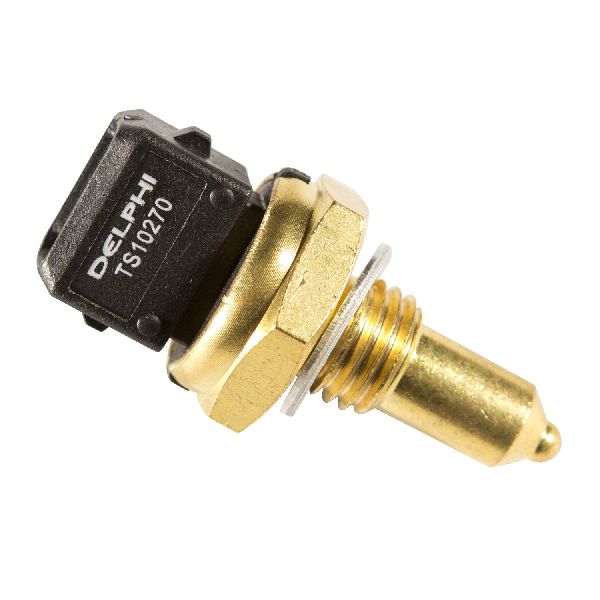
- Delphi: A well-respected OEM supplier known for producing reliable electronic components that meet or exceed factory specifications.
- Vemo: Often labeled as "Original VEMO Quality," this brand specializes in electronic parts for German vehicles and is considered a top-tier choice.
- NGK/NTK: While famous for spark plugs, NTK (the sensor division of NGK) is a major OEM sensor manufacturer with a reputation for quality.
Tier 2: Reputable Aftermarket Brands
These brands provide good quality and are a reliable choice for most repairs. They focus on meeting OE form, fit, and function.
- Beck Arnley: This brand sources parts from various manufacturers, often including OEM suppliers, to match the original part for foreign nameplates.
- Standard Ignition (SMP): A long-standing company that produces a wide range of reliable automotive electronics.
- Holstein: Offers OE-spec sensors that are a cost-effective alternative to premium brands.
Tier 3: Economy Brands
These brands offer the lowest price point but may have a higher risk of premature failure or inaccurate readings. For a sensor this critical to engine health, it is generally recommended to invest in a Tier 1 or Tier 2 brand for your BMW.
- Four Seasons
- Global Parts
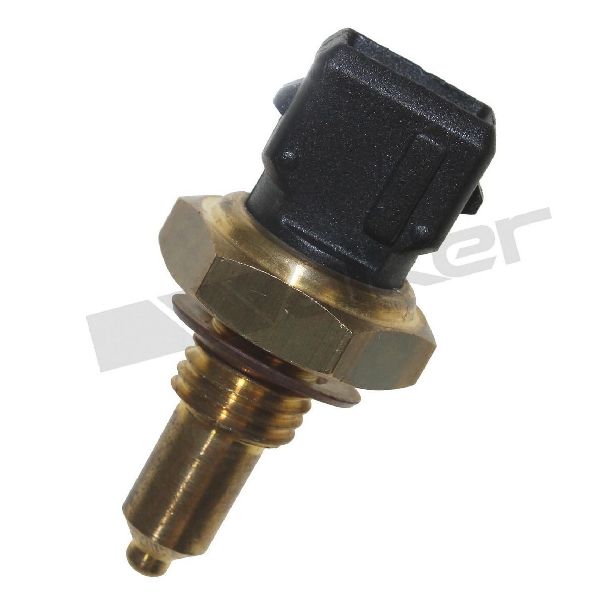
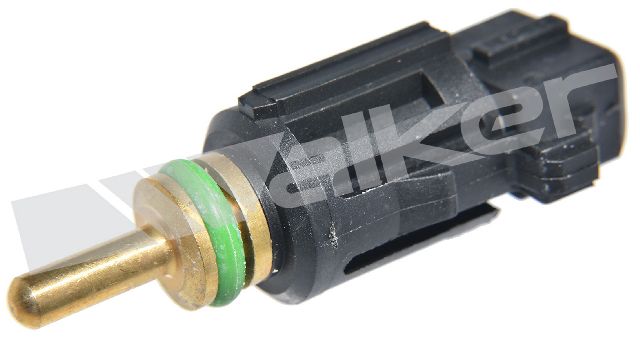
- Walker Products
Common Ordering Mistake: Know Your Sensor's Location!
The 2010-2016 X1 used different engines (N52, N55, N20), and they can have more than one coolant sensor. The primary sensor is often on the cylinder head (common on the N52 6-cylinder) or in the lower radiator hose (common on the N20 4-cylinder). Always verify the location of the faulty sensor on your specific vehicle before ordering a replacement. A fault code from a scanner can help pinpoint which sensor has failed.
🎬 See this video to locate the sensor on N52 and N55 engines.Aftermarket vs. OEM Cost for 2010-2016 BMW X1
| Part Type | Price Range |
|---|---|
| New OEM (Dealer) | $75 - $165 |
| New Aftermarket | $19 - $69 |
| Shop Labor | $100 - $250 |
Note: Labor costs can vary based on sensor location and shop rates. The job is generally simple if the sensor is easily accessible.
Frequently Asked Questions (FAQ)

Where is the engine coolant temperature sensor located on my X1?
It depends on your engine. For the 6-cylinder N52 engine (xDrive28i models up to 2011), the sensor is typically screwed into the cylinder head near the oil filter housing. For the 4-cylinder N20 engine (sDrive28i/xDrive28i from 2012-2015) and the 6-cylinder N55 engine (xDrive35i), there is often a key sensor located in the lower radiator hose. Always confirm the location on your specific vehicle, as there can be multiple temperature sensors.
Can I replace this sensor myself?
Yes, for many owners this is a straightforward DIY job. It typically requires a 22mm wrench or deep socket. The key is to work on a completely cold engine to avoid being burned by hot coolant. You will lose a small amount of coolant, so have some BMW-approved coolant ready to top off the system. After replacement, the cooling system may need to be bled to remove any air pockets.
🎬 Watch this step-by-step walkthrough for replacing the sensor on an X1.Do I need to drain all the coolant to change the sensor?
No, you do not need to drain the entire system. If you are quick, you can swap the old sensor for the new one with minimal coolant loss. Having the new sensor ready to install immediately after removing the old one will help. Make sure the radiator cap is on and the system is cold to prevent coolant from gushing out under pressure.
Should I replace the O-ring or seal?
Absolutely. The sensor seals to the engine or hose with a small O-ring or washer. Re-using the old one is a common cause of leaks. Most new aftermarket sensors come with a new seal in the box.
Helpful Videos
Technical Specifications
OEM Part Numbers: 13621433077
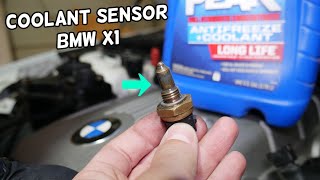
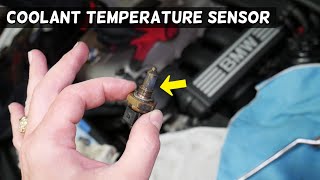
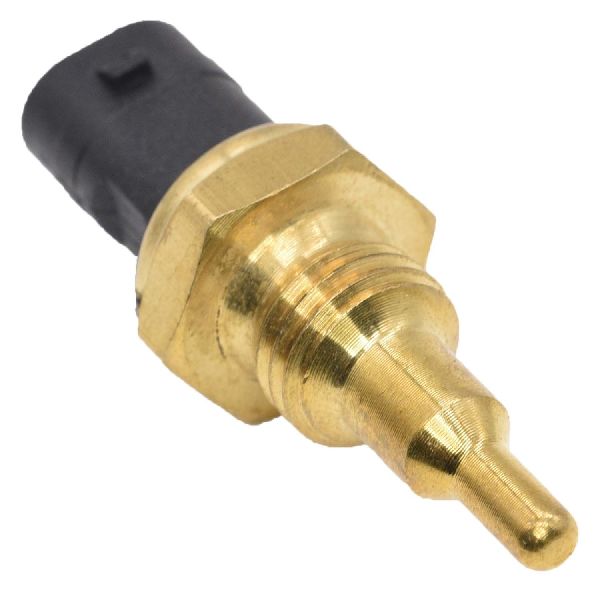
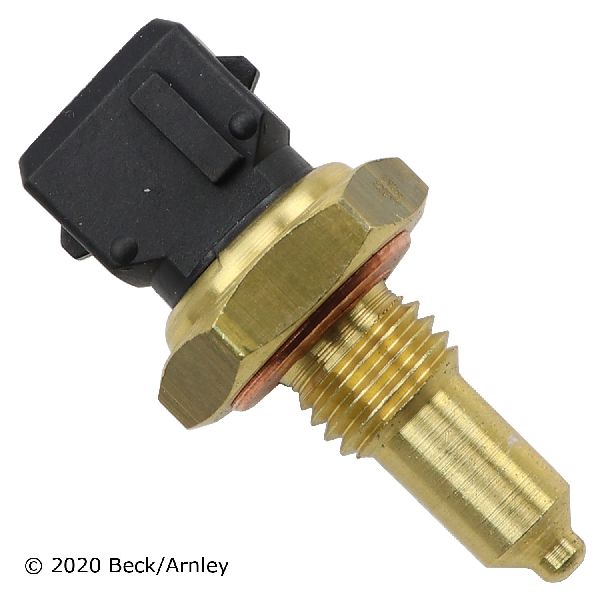
The Engine Coolant Temperature sensor for the E84 X1 is typically a two-pin thermistor that threads into the cylinder head or clips into a coolant hose. It functions by changing its electrical resistance based on the temperature of the coolant flowing past it. A 22mm wrench or socket is usually required for the threaded type.
We Have This Part in Stock


The information in this article is provided for general reference and educational purposes only. Vehicle specifications, procedures, and part compatibility can vary by production date, trim level, and region. Always consult your vehicle's factory service manual and verify part numbers before purchasing or performing repairs. Safety-critical components such as airbags, seat belts, and braking systems should be installed by a qualified professional.
- BMW X1:
- 🎬 Helpful Videos
- 🛍️ Shop This Part
- Is Your X1's Engine Behaving Oddly? It Could Be the Coolant Sensor.
- Symptoms of a Failing Coolant Temperature Sensor
- Known Issue: Water Pump Connector Recall
- Choosing the Right Aftermarket Sensor
- Common Ordering Mistake: Know Your Sensor's Location!
- Aftermarket vs. OEM Cost for 2010-2016 BMW X1
- Frequently Asked Questions (FAQ)
- 🎟️ Get 5% Off