

Engine Coolant Temperature Sensor Guide for 2010-2016 Chevrolet Express 3500
Fix your Express van's temperature gauge issues, poor fuel economy, and Check Engine Light with the right sensor.
- A bad ECT sensor can cause a Check Engine Light, poor fuel economy, and an incorrect temperature gauge reading.
- For reliability, choose an OEM (ACDelco) or premium aftermarket (Delphi, NTK) brand for this critical sensor.
- Replacement is a simple DIY task for most owners, located on the driver's side cylinder head.
- Ignoring a bad sensor can lead to more expensive repairs, such as a damaged catalytic converter or an overheated engine.
Is Your Express Van Behaving Badly? It Could Be the Coolant Temp Sensor

A failing Engine Coolant Temperature (ECT) sensor can cause a surprising number of problems on the 2010-2016 Chevrolet Express 3500. Because the engine's computer relies on this sensor for so much information, a bad signal can lead to everything from poor performance to a no-start condition. Symptoms often appear gradually, but can sometimes happen suddenly. Recognizing the signs can save you from wasted fuel and further engine trouble.
Symptoms of a Failing ECT Sensor

Look out for these common signs of a bad coolant temperature sensor on your Express van:
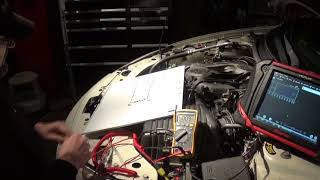
- Check Engine Light: The most common sign is a Check Engine Light with codes like P0117 (Circuit Low Input) 🎬 Watch this video for a deep dive into diagnosing these codes. or P0118 (Circuit High Input).
- Erratic Temperature Gauge: The gauge on your dashboard might read cold all the time, jump to hot instantly, or fluctuate wildly.
- Poor Fuel Economy: If the sensor wrongly tells the computer the engine is cold, the computer will inject extra fuel, wasting gas.
- Black Smoke from Exhaust: A rich fuel mixture, caused by a bad sensor reading, can result in black smoke from the tailpipe.
- Cooling Fans Run Constantly or Not at All: The sensor controls the cooling fans. A bad signal can make them run when they shouldn't, or fail to turn on when the engine is actually overheating.
- Hard Starting: The engine may be difficult to start, especially when cold, because the computer isn't getting the right temperature reading to set the proper starting fuel mixture.
Don't Ignore the Signs
While you can usually drive with a bad ECT sensor, it's not recommended for long. Consistently running too rich can damage your catalytic converter, and if the engine overheats because the fans don't turn on, you risk severe engine damage.
Choosing the Right Aftermarket Sensor

For electronic parts on your Express 3500, quality matters. A cheap, low-quality sensor can fail quickly or provide inaccurate readings, leaving you with the same problems. Here’s how the available brands generally stack up.
Tier 1: OEM and Premium Aftermarket
These brands are either the original equipment manufacturer or are known for producing parts that meet or exceed OEM standards. They are the most recommended choice for reliability.
- ACDelco: This is the original GM parts brand. Choosing ACDelco ensures you get the exact part your van was built with, offering the best fit and performance.
- Delphi: Delphi was a part of GM and is a major OEM supplier for many electronic components. Their sensors are widely considered to be of equal quality to ACDelco and are a trusted alternative.
- NGK/NTK: Known for excellence in ignition and sensor technology, NTK (the sensor division of NGK) is a top-tier choice with a strong reputation for quality.
Tier 2: Reputable Aftermarket
These brands offer a good balance of quality and price. They are a solid choice if a Tier 1 brand isn't available or if you're on a tighter budget.
- Bosch: A massive German auto parts manufacturer with a generally good reputation for sensors.
- Standard Ignition (SMP): A long-standing company that produces reliable aftermarket parts.
- Walker Products: Specializes in fuel delivery and engine management components, offering dependable sensors.
Tier 3: Budget-Friendly Options
Brands like Facet, Four Seasons, and others in the lower price range can be a viable option if cost is the primary concern. However, be aware that the quality and lifespan may not match that of the higher-tiered brands. For a critical sensor like the ECT, spending a few extra dollars for a Tier 1 or Tier 2 part is often a wise investment.
Pro Tip: Check the Connector
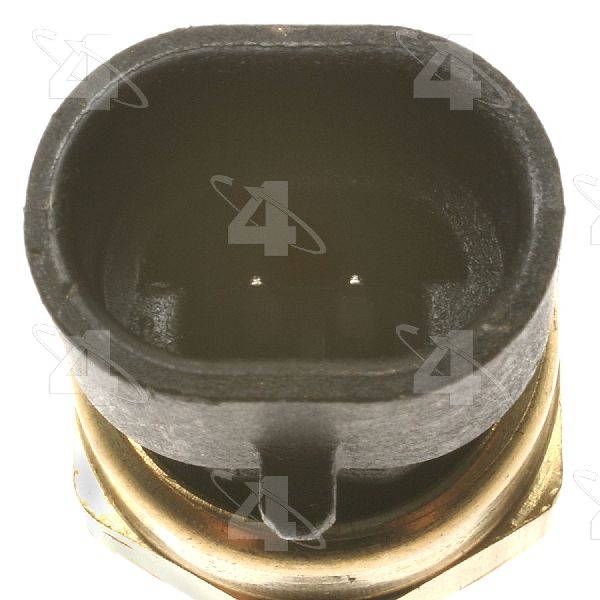
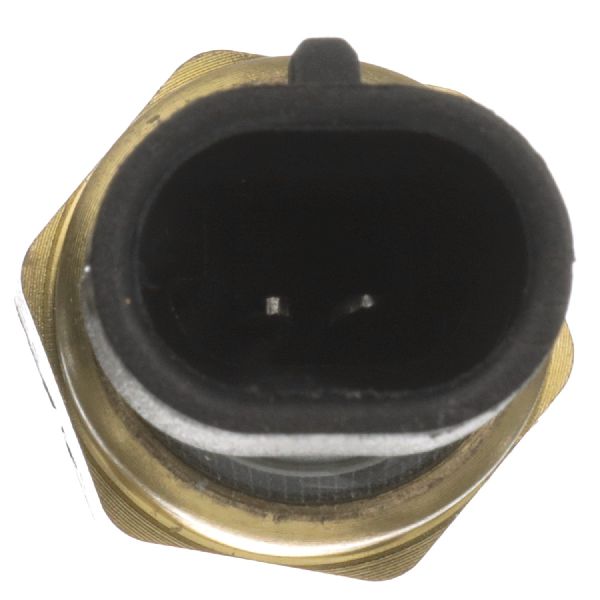
Before ordering, visually inspect your old sensor and its electrical connector. Over time, the plastic connector can become brittle and break. Some replacement sensors come in a kit with a new pigtail connector, which is useful if yours is damaged.
Cost of Replacing the ECT Sensor

This is a relatively inexpensive part and a straightforward repair. The biggest cost variation comes from whether you do it yourself or have a shop do it.
| Item | Estimated Cost |
|---|---|
| New Aftermarket Part | $14 - $42 |
| New OEM Part (ACDelco) | $25 - $50 |
| Shop Labor | $90 - $150 |
| Total (DIY) | $14 - $50 |
| Total (at a shop) | $104 - $200 |
Note: Prices are estimates and can vary based on your location and specific part supplier.
Frequently Asked Questions
Where is the ECT sensor located on the 2010-2016 Express 3500?
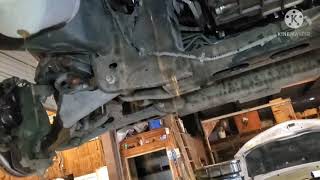
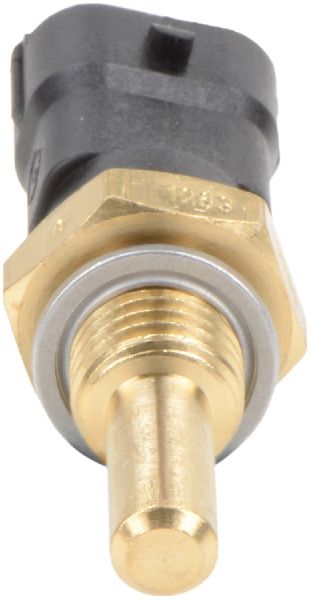
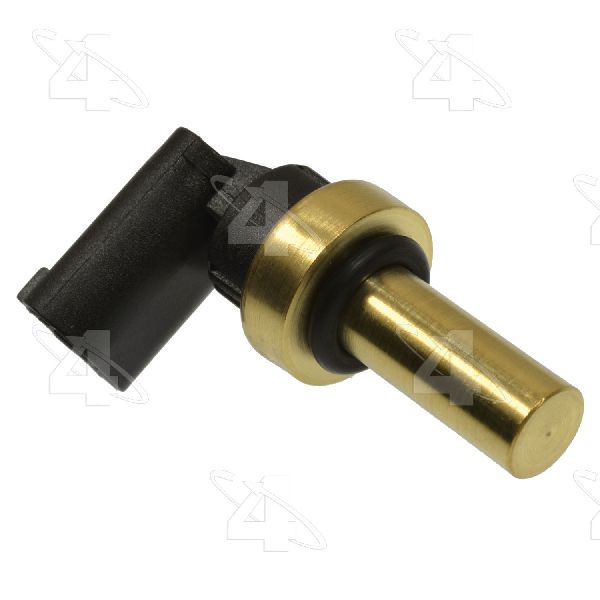
On Express vans with V8 engines (like the 4.8L and 6.0L), the ECT sensor is located on the driver's side of the engine, screwed into the cylinder head, near the front-most spark plug. 🎬 See exactly where the sensor is located on your engine. It's a small brass sensor with a two-wire electrical connector.
Can I replace this sensor myself?
Yes, this is a very DIY-friendly job. The main challenge is access. You can reach the sensor either by going through the driver's side wheel well or by removing the interior engine cover (the "doghouse"). The job requires a 19mm (or 3/4 inch) wrench or deep socket. Have the new sensor ready to screw in as soon as you remove the old one to minimize coolant loss.
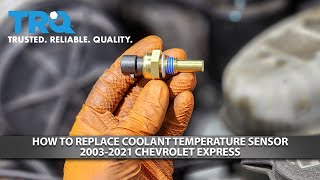
🎬 Follow this step-by-step walkthrough to replace the sensor yourself.Are there any recalls for this part?
No, there are no specific recalls or widespread Technical Service Bulletins (TSBs) from General Motors for the engine coolant temperature sensor on the 2010-2016 Chevrolet Express 3500.
Is an ACDelco or Delphi sensor worth the extra money?
For this part, yes. The engine's computer depends on an accurate signal for proper operation. ACDelco is the original part and Delphi is an original equipment supplier with a reputation for quality that matches GM's own parts. Using a top-tier brand significantly reduces the risk of premature failure or incorrect readings that could leave you chasing the same symptoms again.
Helpful Videos

Technical Specifications
OEM Part Numbers: 12608814 19236568 213-4514
Typically a 2-pin brass sensor with a 3/8" - 18 thread size and a 19mm or 3/4" hex size.
We Have This Part in Stock


The information in this article is provided for general reference and educational purposes only. Vehicle specifications, procedures, and part compatibility can vary by production date, trim level, and region. Always consult your vehicle's factory service manual and verify part numbers before purchasing or performing repairs. Safety-critical components such as airbags, seat belts, and braking systems should be installed by a qualified professional.
- Chevrolet Express 3500:
- 🎬 Helpful Videos
- 🛍️ Shop This Part
- Is Your Express Van Behaving Badly? It Could Be the Coolant Temp Sensor
- Symptoms of a Failing ECT Sensor
- Don't Ignore the Signs
- Choosing the Right Aftermarket Sensor
- Tier 1: OEM and Premium Aftermarket
- Tier 2: Reputable Aftermarket
- Tier 3: Budget-Friendly Options
- Pro Tip: Check the Connector
- Cost of Replacing the ECT Sensor
- Frequently Asked Questions
- 🎟️ Get 5% Off