

Choosing the Best Replacement Disc Brake Pads for Your 2010-2016 Honda Pilot
Stop brake noise and vibration by selecting the right aftermarket brake pads for your Pilot's specific needs.
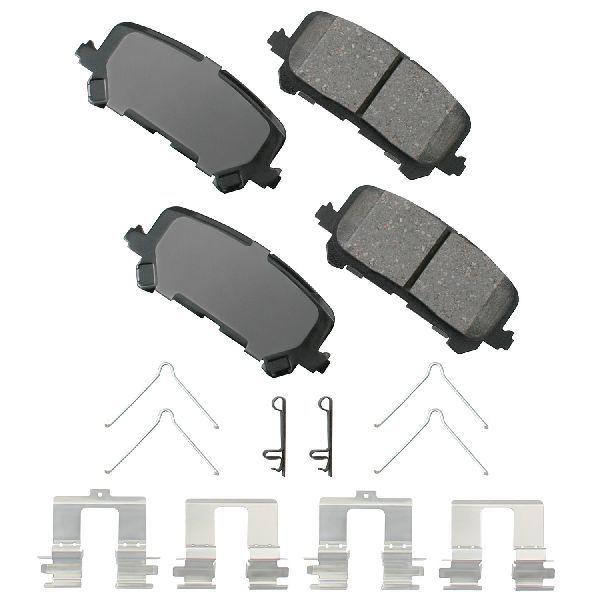
- For a quiet, low-dust stop similar to the original parts, choose premium ceramic pads from a brand like Akebono, which is a likely OEM supplier.
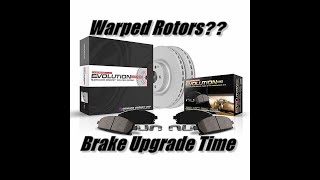
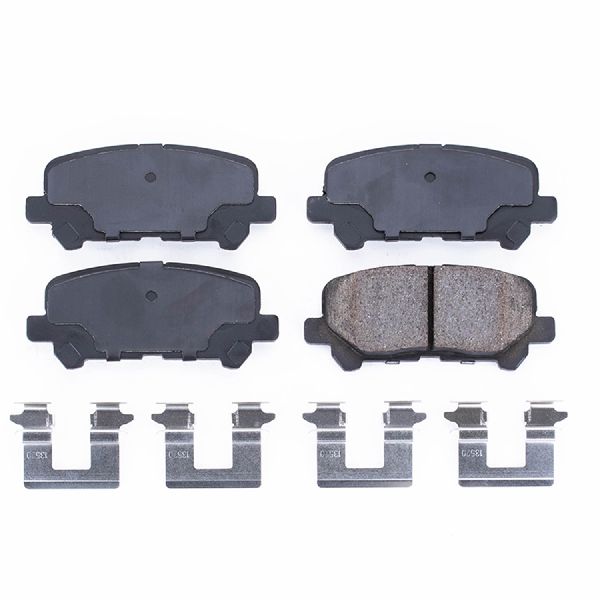
- To address the common issue of warped rotors and steering wheel vibration, upgrade to a complete pad and rotor kit from a brand like Powerstop.
- Always replace brake rotors at the same time as the pads on this vehicle to ensure the best performance and avoid vibration issues.
- Brake pad replacement is a manageable DIY project for this Pilot, with many online tutorials available to guide you.
Is Your Honda Pilot Telling You It Needs New Brakes?
Your Pilot is a heavy vehicle, and its brake system works hard. When brake pads wear out, your vehicle will give you clear warning signs. Ignoring them can lead to more expensive repairs and unsafe driving conditions. Listen and feel for these symptoms:
- High-Pitched Squealing: This is often the first sign. A small metal tab called a wear indicator touches the rotor, making a squealing noise to alert you that the pads are low.
- Grinding Noises: If you hear a deep, metallic grinding sound, stop driving as soon as it is safe. This means the friction material is completely gone, and the metal backing plate is grinding against the rotor, causing severe damage.
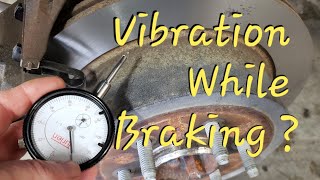
- Vibration or Pulsating: If you feel a pulsing in the brake pedal or a vibration in the steering wheel when braking 🎬 Watch: How to diagnose and identify warped rotors, especially from highway speeds, it's a common sign of warped brake rotors. This was a frequent issue on 2010-2015 Pilots.
- Longer Stopping Distances: If your Pilot takes longer to stop than it used to, your brake pads are likely worn and can no longer create the necessary friction.
Known Issue: Warped Rotors on 2010-2015 Models
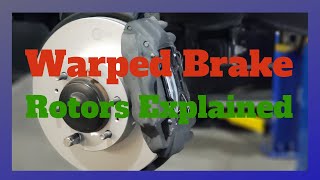
The 2010-2015 Honda Pilot is known for issues with front brake rotors warping prematurely. This causes a noticeable vibration in the steering wheel when braking from speeds over 50 mph. Because of this, it is highly recommended that you replace the brake rotors at the same time 🎬 See this step-by-step front brake and rotor replacement walkthrough you replace the pads. Choosing a quality aftermarket rotor may provide better longevity than the original equipment.
Choosing the Right Aftermarket Brake Pads for Your Pilot
Aftermarket brake pads offer a wide range of options that can meet or exceed the performance of original equipment (OEM) parts, often at a better price. Here’s how to choose based on your needs, broken down into tiers.
Tier 1: OEM-Equivalent & Premium Ceramic
These brands focus on providing a quiet, clean, and smooth stop, just like the factory pads. They are perfect for the daily driver who values comfort and low maintenance.
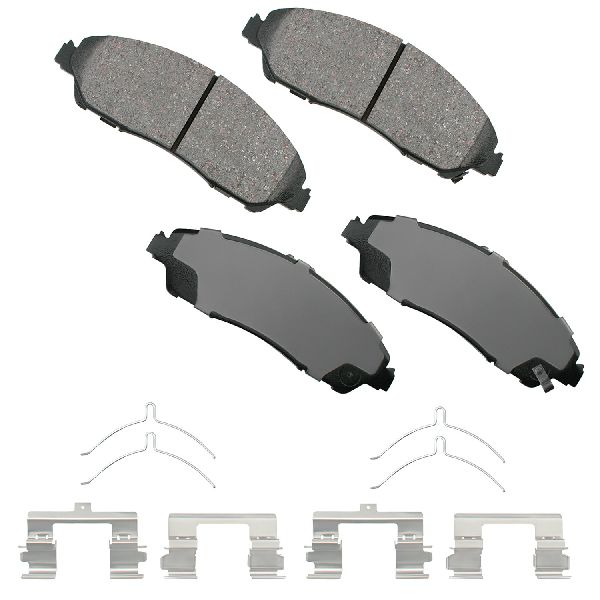
- Akebono: Widely considered to be the original equipment manufacturer (OEM) for Honda. Choosing Akebono Pro-ACT pads is the closest you can get to the original parts, offering excellent low-dust and quiet performance.
- Brembo: While famous for high-performance brakes, their standard replacement ceramic pads are a premium option that provides excellent stopping power and durability for daily use.
- Advics: Another top-tier Japanese manufacturer that is often an OEM supplier. Their pads are engineered for quiet, reliable performance.
Tier 2: Performance & Heavy-Duty Upgrades
If you tow a trailer, live in a mountainous area, or simply want to upgrade your Pilot's braking to combat the common rotor warping issue, this tier is for you. These pads offer higher friction levels but may create more dust or noise than OEM pads.
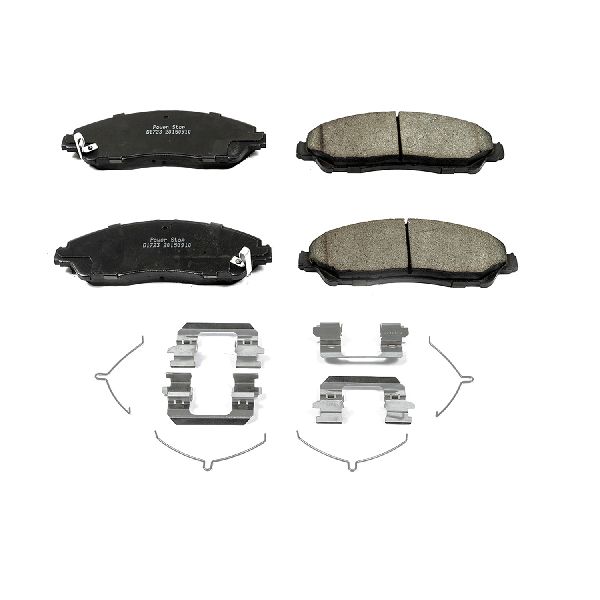
- Powerstop: Very popular for their Z17 Evolution and Z23 Evolution Sport kits, which often include drilled & slotted rotors. These kits are a go-to solution for many Pilot owners looking to improve braking performance and durability.
- Hawk Performance: Offers a range of pads from improved daily-driver (HPS) to more aggressive compounds for towing and hauling.
- EBC Brakes: Known for their color-coded pads (Greenstuff, Yellowstuff) that signify different performance levels, allowing you to choose based on your driving style.
Tier 3: Reliable Daily Driver
These brands are trusted by professional mechanics and offer a great balance of performance and price. They are a dependable choice for most Pilot owners' daily commuting needs.
- Bosch: The QuietCast line is a popular choice, known for providing good performance, low noise, and often including hardware in the box.
- Wagner Brakes: A long-standing, reputable brand. Their OEX and Wagner QC lines provide reliable stopping power for everyday use.
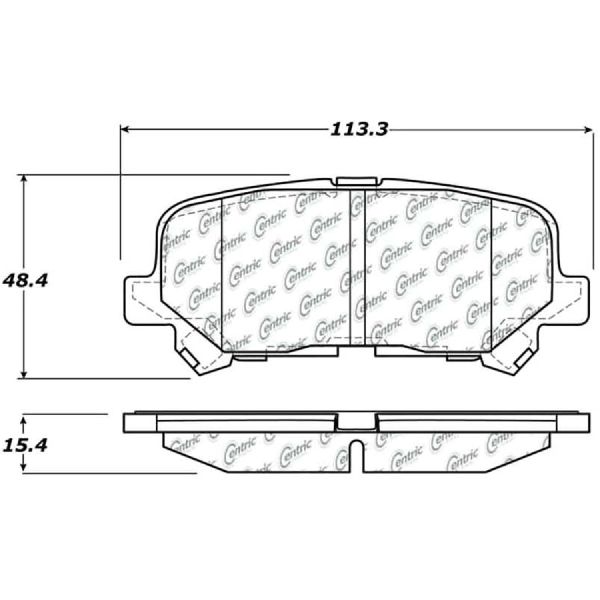
- Raybestos & Centric: Both offer quality replacement pads that are considered a step up from budget options and are trusted in the repair industry for their consistency and value.
Pro Tip: Always Use New Hardware
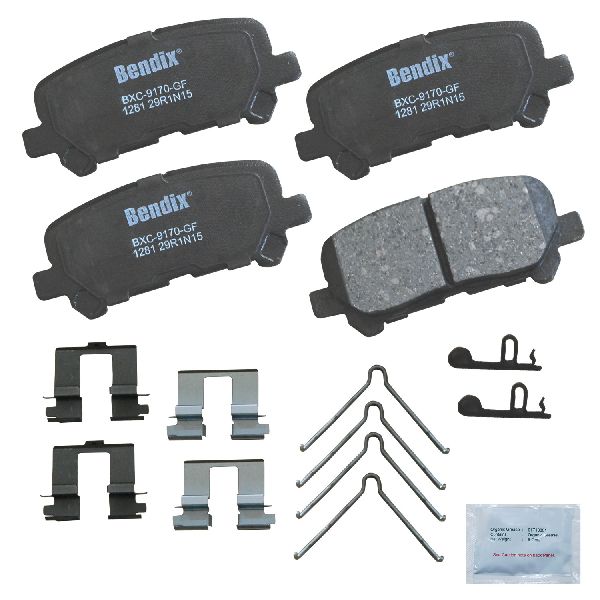
When you replace your brake pads, always use the new metal clips and springs that come with a quality pad set. Old hardware can rust and prevent the new pads from moving freely, leading to noise and uneven wear. Also, apply a thin layer of high-temperature brake grease to the pad contact points on the caliper bracket and the back of the pads.
Cost of Replacing Honda Pilot Brake Pads
The cost can vary based on the brand of pads you choose and whether you do the work yourself or have a professional mechanic do it.
| Item | Estimated Cost |
|---|---|
| Aftermarket Disc Brake Pad Set (Front or Rear) | $30 - $194 |
| OEM Disc Brake Pad Set (Front or Rear) | $70 - $120 |
| Shop Labor (per axle) | $106 - $155 |
| Total Professional Replacement (per axle) | $200 - $400+ |
Frequently Asked Questions
Do I have to replace my rotors when I replace the pads?
For the 2010-2016 Honda Pilot, it is strongly recommended. Due to the common issue of rotor warping, installing new pads on old, potentially warped rotors will lead to vibration and poor performance. Replacing them together ensures a smooth, safe stop and is more cost-effective in the long run.
What is the difference between ceramic and semi-metallic pads?
Ceramic pads, like the OEM pads on your Pilot, are known for being quiet and producing very little light-colored dust. They are great for daily driving. Semi-metallic pads can offer better performance in extreme heat (like towing) but are often noisier and produce more dark-colored dust.
What is "bedding-in" new brakes?
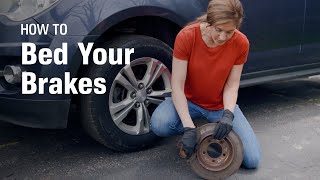
Bedding-in is a process of a few hard stops to properly transfer a layer of friction material from the new pads onto the rotors. This ensures smooth, quiet, and effective braking. Most aftermarket pad manufacturers include specific instructions for this procedure, which you should follow after installation.
🎬 Watch: How to bed in your new brakes properlyHow often should I replace my Pilot's brake pads?
There is no exact mileage. It depends entirely on your driving habits and conditions. Some owners report needing replacements at 30,000 miles, while others get over 100,000 miles. The best approach is to have your brakes inspected at every oil change or at least once a year.
Helpful Videos
Technical Specifications
OEM Part Numbers: 45022-SZA-A01 45022-SZA-A00 43022-SZA-A11 43022-SZA-A10 45022-TZ5-A02
We Have This Part in Stock

The information in this article is provided for general reference and educational purposes only. Vehicle specifications, procedures, and part compatibility can vary by production date, trim level, and region. Always consult your vehicle's factory service manual and verify part numbers before purchasing or performing repairs. Safety-critical components such as airbags, seat belts, and braking systems should be installed by a qualified professional.
- Honda Pilot:
- 🎬 Helpful Videos
- 🛍️ Shop This Part
- Is Your Honda Pilot Telling You It Needs New Brakes?
- Known Issue: Warped Rotors on 2010-2015 Models
- Choosing the Right Aftermarket Brake Pads for Your Pilot
- Tier 1: OEM-Equivalent & Premium Ceramic
- Tier 2: Performance & Heavy-Duty Upgrades
- Tier 3: Reliable Daily Driver
- Pro Tip: Always Use New Hardware
- Cost of Replacing Honda Pilot Brake Pads
- Frequently Asked Questions
- 🎟️ Get 5% Off