

A Guide to Oxygen Sensors for the 2010-2016 Hyundai Genesis Coupe
Keep your Genesis Coupe's engine running efficiently by understanding when and how to replace a faulty oxygen sensor.
- A bad O2 sensor will trigger the Check Engine Light and hurt fuel economy; ignoring it can damage the expensive catalytic converter.
- For reliable performance, choose an OEM-equivalent aftermarket brand like Denso, NGK/NTK, or Mando.
- The 3.8L V6 has four sensors (two upstream, two downstream), while the 2.0T has two.
- Replacement can be a DIY job, but a special O2 sensor socket is required and sensors can be seized with rust.
Signs of a Failing Oxygen Sensor

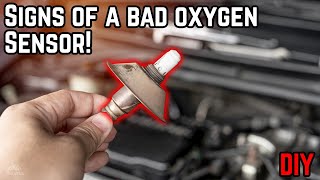
A bad oxygen sensor won't leave you stranded, but it will degrade your car's performance and can lead to more expensive problems. The most common sign is an illuminated Check Engine Light. You may also notice other symptoms that point to a failing sensor.
- Worse Fuel Economy: One of the first noticeable signs is needing to fill up your tank more often. A bad sensor can cause the engine to use more fuel than necessary.
- Rough Idle and Misfires: Your engine might idle unevenly, hesitate, or misfire because the air-fuel mixture is incorrect.
- Rotten Egg Smell: A sulfur-like smell from the exhaust can indicate that the sensor has failed, causing the catalytic converter to work improperly.
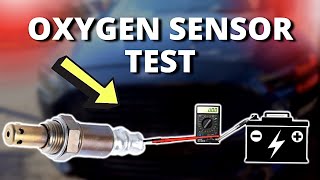
- Failed Emissions Test: A faulty O2 sensor is a common reason for failing a vehicle emissions test. 🎬 See this guide on how to test an oxygen sensor yourself.
Don't Ignore a Bad O2 Sensor
Continuing to drive with a failed oxygen sensor can cause long-term damage. An overly rich fuel mixture can overheat and destroy your catalytic converter, a repair that is significantly more expensive than replacing an O2 sensor.
Choosing the Right Aftermarket Oxygen Sensor

When shopping for a replacement, you'll find several brands. For the Genesis Coupe, some aftermarket brands are the same ones that supply the original factory parts. They can be grouped into tiers based on quality and reputation among owners and mechanics.
Tier 1: OEM-Equivalent Brands
These brands are known to be Original Equipment (OE) suppliers for Hyundai or have a reputation for matching OE quality perfectly. Choosing one of these is the safest bet for a direct, reliable replacement.
- Denso: A major OE supplier for many Asian vehicles, Denso sensors are considered a top-quality replacement that matches factory specifications.
- NGK / NTK: NGK (under the NTK brand for sensors) is the world's largest supplier of OE oxygen sensors and is a trusted choice for a direct-fit, high-quality part.
- Mando: Mando is an official OE supplier to Hyundai, so their parts are considered genuine OEM-quality replacements.
Tier 2: Reputable Aftermarket Brands
These brands have a long history of producing quality automotive components and are a solid choice for a balance of price and performance.
- Bosch: As the inventor of the modern automotive oxygen sensor, Bosch has a worldwide reputation for quality and performance. Their direct-fit sensors are engineered for easy installation.
- Delphi: Delphi is another well-known brand that produces reliable aftermarket parts that meet or exceed OE specifications.
Tier 3: Standard / Budget Brands
These brands offer a more affordable price point, making them suitable for budget-conscious repairs. While functional, they may not offer the same longevity or precise calibration as higher-tier options.
- Spectra
- Walker Products
- DriveWire
Pro Tip: Use Direct-Fit Sensors
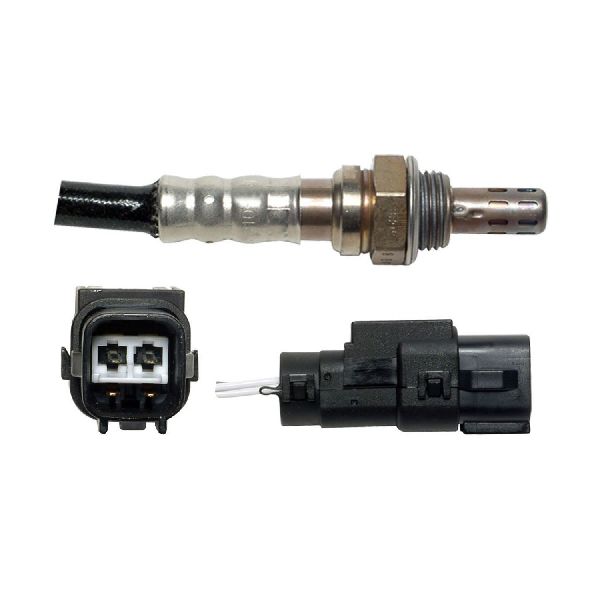
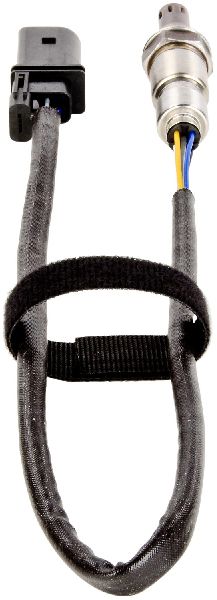
Always choose a "direct-fit" sensor for your Genesis Coupe. These come with the correct electrical connector for a simple plug-and-play installation. Universal sensors, which require you to cut and splice wires, are highly discouraged and can cause performance issues.
Known Issues, Recalls, and TSBs
Searches of the National Highway Traffic Safety Administration (NHTSA) database and technical service bulletins (TSBs) did not find any specific recalls or service campaigns for oxygen sensor failure on the 2010-2016 Hyundai Genesis Coupe. Recalls for this vehicle pertain to other issues like airbag sensors and ignition switches. While individual sensor failures are common due to age and wear, there is no indication of a widespread manufacturing defect.
Estimated Replacement Costs

The cost can vary depending on which sensor needs replacing (upstream sensors are often more expensive) and the brand you choose.
| Part Type | Estimated Cost |
|---|---|
| New Aftermarket | $39 - $205 |
| Shop Labor | $62 - $92 |
| Total Professional Replacement (Aftermarket) | $101 - $297 (per sensor) |
Note: Costs are estimates and can vary by location and which of the vehicle's sensors is being replaced. Labor data from RepairPal.
Frequently Asked Questions (FAQ)
How many oxygen sensors does my Genesis Coupe have?
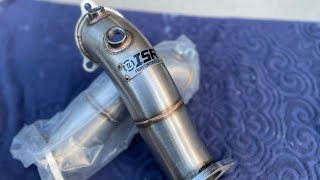
It depends on your engine. The 2.0L Turbo (2.0T) engine 🎬 Watch: 2.0T O2 housing removal and installation walkthrough. has two oxygen sensors: one upstream (before the catalytic converter) and one downstream (after the catalytic converter). The 3.8L V6 engine has four oxygen sensors: two upstream and two downstream, one pair for each cylinder bank.
What is the difference between an upstream and downstream sensor?
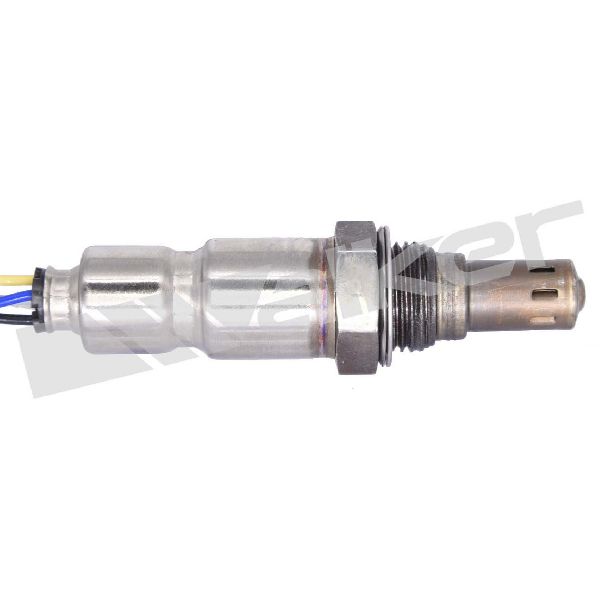
The upstream sensor (also called Sensor 1 or an air-fuel ratio sensor) measures the exhaust gases right out of the engine. It provides the primary data for the ECU to make rapid adjustments to the air-fuel mixture. The downstream sensor (Sensor 2) is located after the catalytic converter and primarily monitors the converter's efficiency.
Can I replace an oxygen sensor myself?
Yes, this is a feasible DIY job for someone with moderate mechanical skill. However, the sensors can be extremely difficult to remove if they are rusted or seized in the exhaust pipe. It is crucial to use a special O2 sensor socket, which has a slot for the wire to pass through. Soaking the sensor with penetrating oil a day before attempting removal is highly recommended.
Should I replace all the sensors at once?
It is not required, but it is often recommended. Oxygen sensors wear out over time and tend to fail around the same mileage. If one has failed, another may not be far behind. Replacing them in pairs (both upstream or both downstream on a V6) or all at once can save you from a repeat repair job in the near future.
Helpful Videos
Technical Specifications
OEM Part Numbers: 39210-2C200 39210-2C210 39210-2C220 39210-3C820 39210-3C540
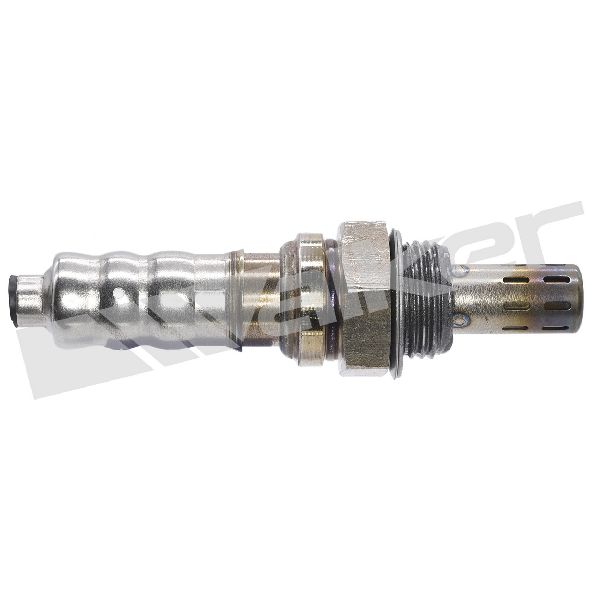
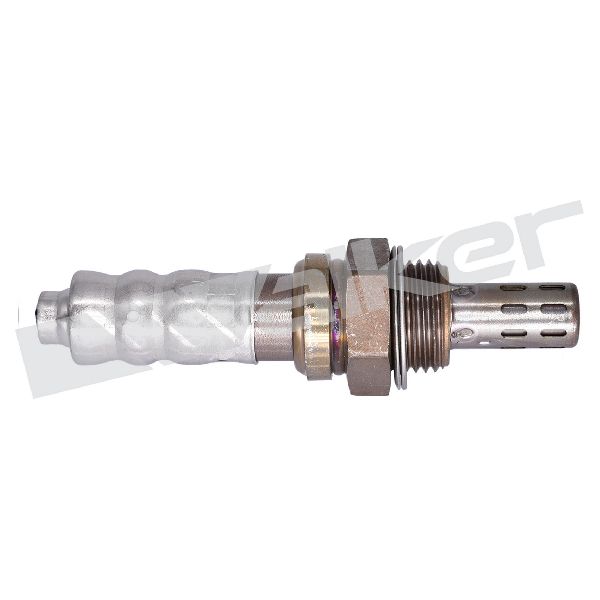
The Genesis Coupe uses heated, 4-wire oxygen sensors. The specific part number varies by engine (2.0T vs 3.8L), model year, and location (upstream vs. downstream, and left vs. right on the V6). Always verify the exact part number for your specific vehicle configuration before ordering.
We Have This Part in Stock


The information in this article is provided for general reference and educational purposes only. Vehicle specifications, procedures, and part compatibility can vary by production date, trim level, and region. Always consult your vehicle's factory service manual and verify part numbers before purchasing or performing repairs. Safety-critical components such as airbags, seat belts, and braking systems should be installed by a qualified professional.
- Hyundai Genesis Coupe:
- 🎬 Helpful Videos
- 🛍️ Shop This Part
- Signs of a Failing Oxygen Sensor
- Don't Ignore a Bad O2 Sensor
- Choosing the Right Aftermarket Oxygen Sensor
- Tier 1: OEM-Equivalent Brands
- Tier 2: Reputable Aftermarket Brands
- Tier 3: Standard / Budget Brands
- Pro Tip: Use Direct-Fit Sensors
- Known Issues, Recalls, and TSBs
- Estimated Replacement Costs
- Frequently Asked Questions (FAQ)
- 🎟️ Get 5% Off