

Subaru Forester Engine Coolant Bypass Hose & Pipe Guide (2010-2016)
Addressing the common coolant leaks and rusted bypass pipes on your 2010-2016 Subaru Forester.
- Inspect the long metal pipe under the engine for rust, not just the rubber hoses, especially on 2010-2013 models.
- Replacing the entire pipe assembly is a much more involved job than just replacing a hose, often requiring the engine to be lifted.
- Always use new hose clamps and the correct blue Subaru Super Coolant for this repair.
- A coolant leak is serious; driving with one can cause your engine to overheat and lead to catastrophic failure.
Is Your Forester Leaking Coolant?
A puddle of blue or green liquid under your Subaru is a classic sign of a coolant leak. For the 2010-2016 Forester, the coolant bypass pipe and its connecting hoses are common culprits. Other signs include a sweet antifreeze smell from the engine bay, the engine temperature gauge climbing into the red, or a low coolant warning light on your dash. Ignoring these symptoms can lead to severe engine overheating and costly damage.
Choosing the Right Aftermarket Part: Hose vs. Pipe
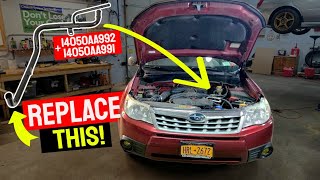
When you have a leak in this area, you have two choices: replace only the failed rubber hose or replace the entire metal pipe assembly which often comes with new hoses. Before ordering, inspect the metal pipe that runs under the driver's side of the engine. If it shows heavy rust or corrosion, it's best to replace the entire pipe assembly. A video of this issue on a 2012 model shows significant rusting that can lead to a complete failure.
Pro Tip: The 2010-2013 Foresters with the EJ25 engine are particularly known for the metal bypass pipe rusting out. If you own one of these model years and live in an area where roads are salted in winter, carefully inspect the metal pipe, not just the rubber hoses.
Aftermarket Brand Quality
For this part, several aftermarket brands offer reliable quality that can meet or exceed the original specifications, especially concerning the rust-prone metal pipe.
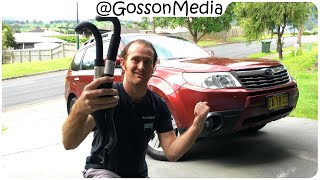
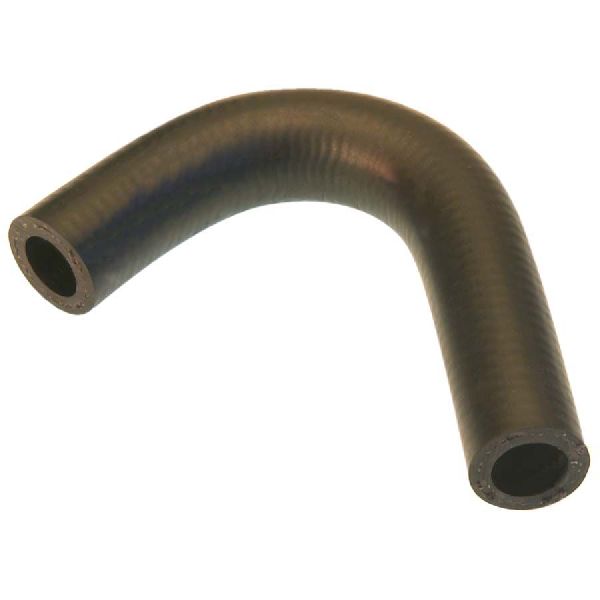
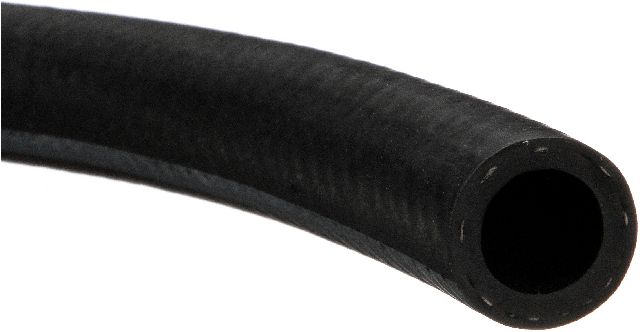
- Gates & Continental: These are top-tier brands for rubber coolant hoses. They are often original equipment manufacturers for many car brands and are known for their durability. If you are only replacing a rubber hose section, these are excellent choices. 🎬 See how to replace the rubber hoses on 2008-2013 models.
- ACDelco: A well-known brand that provides quality parts. For a Subaru, their hoses are typically sourced from a reputable manufacturer and offer a reliable repair option.
- Dorman: Dorman offers a direct replacement for the entire metal pipe assembly for some model years, which can be a good solution if your original pipe has failed due to corrosion.
Cost of Replacing the Engine Coolant Bypass Hose & Pipe
| Repair Type | Estimated Part Cost | Estimated Shop Labor Cost | Total Estimated Cost |
|---|---|---|---|
| Rubber Bypass Hose Only | $15 - $45 | $150 - $300 | $165 - $345 |
| Full Metal Pipe & Hose Assembly | $50 - $120 | $450 - $750 | $500 - $870 |
Note: Costs are estimates and can vary based on your location and specific vehicle condition. The higher labor cost for the full assembly is because the engine may need to be lifted for access.
Frequently Asked Questions (FAQ)
Is there a difference between the part for a 2013 and 2014 Forester?
Yes. The 2010-2013 models use the EJ25 engine, while the 2014-2016 models use the newer FB25 engine. The cooling systems and part numbers are different. Always confirm the part fits your specific year and engine type before ordering.
Why is my metal coolant pipe rusted?
The original metal bypass pipe on many Foresters from this era had poor corrosion resistance. Exposure to road salt and moisture, especially in northern climates, accelerates rusting, which can lead to pinhole leaks or a complete rupture.
Should I replace the hose clamps at the same time?
Yes. It is highly recommended to use new hose clamps. The original spring-style clamps can lose tension over time, leading to leaks even with a new hose. Some owners prefer using worm-gear style clamps as replacements for a secure fit.
What type of coolant should I use for my Forester?
For 2010-2016 Foresters, you must use Subaru Super Coolant, which is blue. It is a pre-mixed, long-life coolant. Do not mix it with the older green Subaru coolant or other universal coolants, as this can reduce its effectiveness and potentially harm the cooling system.
What does the P0128 trouble code mean?
The P0128 code means the engine's coolant temperature is below the normal operating range. This is often caused by a thermostat that is stuck open or by low coolant levels from a leak, such as a failing bypass hose. If you have this code, inspect your cooling system for leaks immediately.
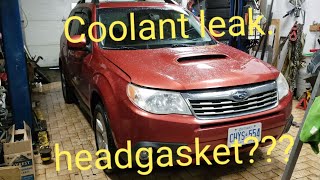
🎬 Watch a guide on fixing coolant leaks for Turbo models.Helpful Videos
Technical Specifications
OEM Part Numbers: 14050AA991 14050AA992 807615151 14050AB001
This component is a system of rubber hoses and a metal pipe. The 2010-2013 (SH) models use the EJ25 engine, while the 2014-2016 (SJ) models use the FB25 engine, with different part designs for the cooling system. The metal pipe is prone to failure from rust.
We Have This Part in Stock


The information in this article is provided for general reference and educational purposes only. Vehicle specifications, procedures, and part compatibility can vary by production date, trim level, and region. Always consult your vehicle's factory service manual and verify part numbers before purchasing or performing repairs. Safety-critical components such as airbags, seat belts, and braking systems should be installed by a qualified professional.
- Subaru Forester: