

Guide to the 2010-2017 Chevrolet Traverse Manifold Absolute Pressure Sensor
Understand the symptoms of a failing MAP sensor in your Traverse and learn how to choose the best new aftermarket replacement.
- A faulty MAP sensor on a Traverse commonly causes a Check Engine Light with code P0106, rough idle, and poor gas mileage.
- Replacement is an easy, 15-minute DIY job, with the sensor located on top of the intake manifold.
- Before replacing, check for simple issues like a loose electrical connector or cracked vacuum lines nearby.
- For best results, choose an aftermarket brand with an OEM background, such as Delphi or Bosch.
Is Your Traverse Running Rough? It Could Be the MAP Sensor

A failing Manifold Absolute Pressure (MAP) sensor can cause a range of noticeable engine problems. Because the sensor provides critical data for the air-fuel mixture, a bad signal can throw the whole system off. You might notice just one or several of these issues, which often appear suddenly.
Top 5 Failure Symptoms
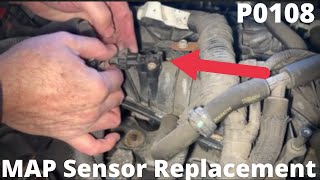
- Check Engine Light: This is the most common sign. A faulty MAP sensor will almost always trigger the Check Engine Light, with codes like P0106, P0107, or P0108 being very common for this issue. 🎬 Watch this step-by-step guide to fixing P0106 error codes.
- Poor Fuel Economy: If the sensor incorrectly tells the computer the engine is under a heavy load, it will inject too much fuel, causing your gas mileage to drop.
- Rough Idle: An incorrect air-fuel ratio can make your Traverse's engine idle erratically, vibrate, or even stall when stopped.
- Loss of Power & Hesitation: When you press the gas, your vehicle might feel sluggish or hesitate. This can happen if the sensor is sending a signal that causes the computer to provide too little fuel.
- Black Smoke from Exhaust: An engine running too rich (too much fuel) can produce black smoke from the tailpipe, which is a clear sign of a MAP sensor problem.
Don't Ignore the Signs
While you can technically drive with a failing MAP sensor, it's not recommended. Continuing to drive can lead to poor performance, stalling in traffic, and potential long-term damage to your engine or catalytic converter due to an improper air-fuel mixture.
Choosing the Right Aftermarket MAP Sensor

When replacing the MAP sensor on your Traverse, you have a choice between OEM and a variety of aftermarket brands. For electronic sensors like this, quality and reliability are key. Aftermarket parts can be a great value, but it's wise to choose a reputable brand.
- Tier 1 (OEM Quality): Brands like Delphi and Bosch are often original equipment manufacturers for GM. Choosing one of these brands is the closest you can get to an OEM part and is a safe bet for reliability and performance. Delphi was once part of GM, and both brands are known for high-quality sensors.
- Tier 2 (Reputable Aftermarket): Brands such as Standard Ignition (SMP) and NGK/NTK are well-regarded in the aftermarket. They produce reliable parts that meet or exceed OEM specifications and are a solid choice for a balance of price and quality.
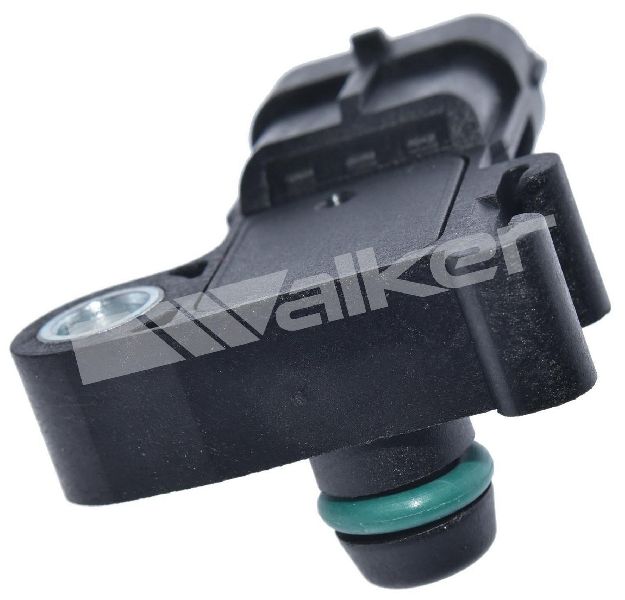
- Tier 3 (Value Brands): Other brands like Walker Products, Facet, and various store brands offer a more budget-friendly option. While functional, they may not have the same long-term durability or precise calibration as higher-tier brands.
Cost of Replacing a Traverse MAP Sensor
The MAP sensor itself is not an expensive part, and the replacement is straightforward, making this a relatively affordable repair.
| Part Type | Estimated Cost |
|---|---|
| New OEM (ACDelco/GM Genuine) | $25 - $50 |
| New Aftermarket | $39 - $68 |
| Shop Labor | $40 - $60 |
| Total Professional Replacement | $80 - $130 |
Frequently Asked Questions

Where is the MAP sensor located on a 2010-2017 Traverse?
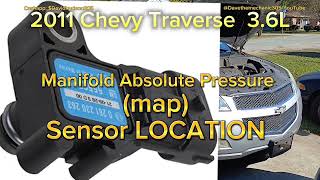
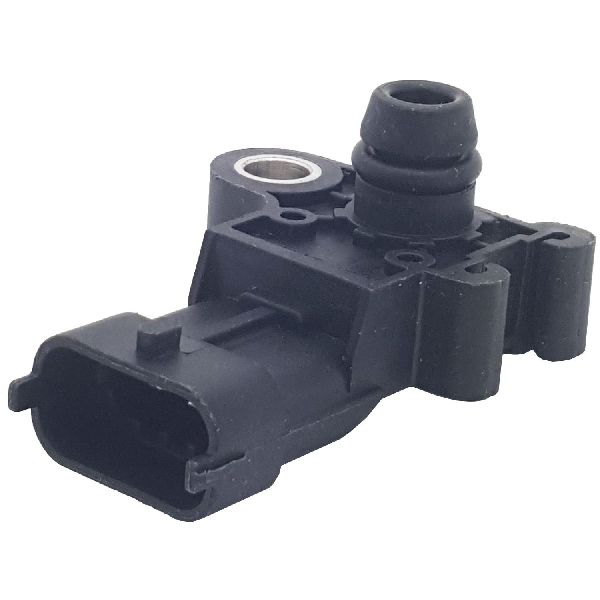
The MAP sensor is located directly on top of the plastic intake manifold. After removing the decorative engine cover (which just pulls off after you remove the oil cap), you will see it clearly. It is a small black sensor held in by a single Torx screw.
🎬 See exactly where the sensor is located on the engine.Can I replace the MAP sensor myself?
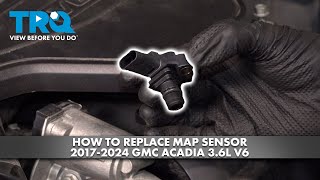
Yes, this is a very easy DIY job. You only need to remove the engine cover, unplug the electrical connector, remove one Torx screw (usually a T25), and pull the old sensor straight out. The entire process can be done in less than 15 minutes with basic tools.
🎬 Watch this quick video to see the full replacement process.Can I just clean my MAP sensor?
While some sensors like the Mass Airflow (MAF) sensor can sometimes be cleaned, it is generally not effective for a MAP sensor. The failure is usually electronic. Given the low cost of a new part and the importance of its function, replacement is the recommended solution.
Are there any recalls for the Traverse MAP sensor?
No, there are no specific recalls for the Manifold Absolute Pressure sensor on the 2010-2017 Chevrolet Traverse. Searches of the NHTSA database show recalls for other issues like airbags and tires, but none related to the MAP sensor.
What if I replace the sensor and the problem doesn't go away?
If a new, quality MAP sensor doesn't fix the issue, the problem could be elsewhere. Other potential causes for MAP sensor codes include vacuum leaks from hoses, a bad electrical connector or wiring going to the sensor, or even a clogged catalytic converter. It's important to ensure the wiring and vacuum lines are in good condition.
Helpful Videos

Technical Specifications
OEM Part Numbers: 55573248 12591290 12644228 12592525 55567257
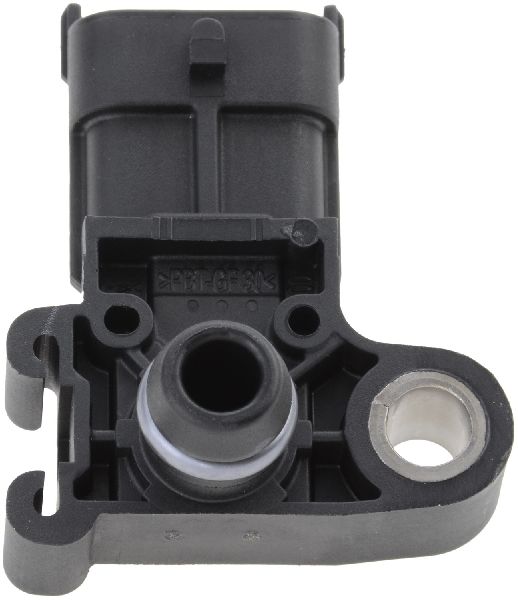
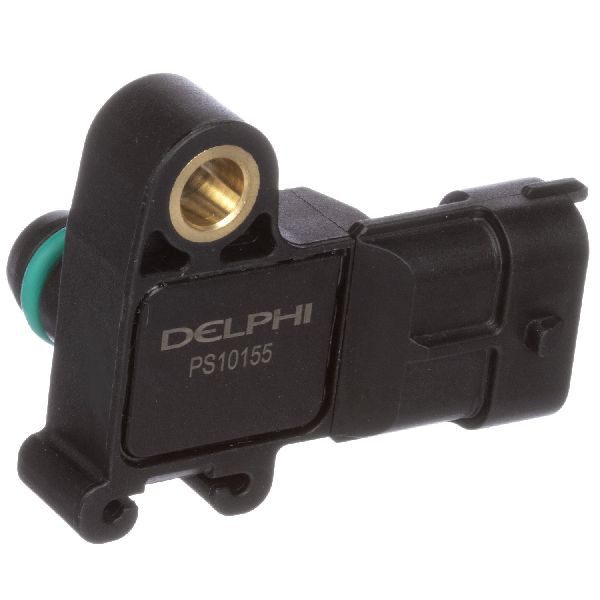
3-pin connector, bolt-on mount. The sensor reads pressure changes in the intake manifold and converts them to a voltage signal for the ECM.
We Have This Part in Stock


The information in this article is provided for general reference and educational purposes only. Vehicle specifications, procedures, and part compatibility can vary by production date, trim level, and region. Always consult your vehicle's factory service manual and verify part numbers before purchasing or performing repairs. Safety-critical components such as airbags, seat belts, and braking systems should be installed by a qualified professional.
- Chevrolet Traverse: