

Ford F-150 Oxygen Sensor Guide for 2010-2017 Models
Diagnose and replace your F-150's oxygen sensors to restore fuel economy and engine performance.
- Your F-150 has four O2 sensors; identify the correct one (bank, position) before buying.
- For best results, use high-quality aftermarket brands like Bosch, Denso, or NGK/NTK, which are often the OEM suppliers.
- If you have a 2010 5.4L/4.6L with P0130/P0150 codes, investigate a possible PCM software update (TSB 12-6-16) before replacing parts.
- If multiple heater circuit codes appear at once, check the fuse before replacing any sensors.
Signs of a Failing Oxygen Sensor

When an oxygen sensor starts to fail on your F-150, your truck's computer can't properly adjust the air-to-fuel ratio. This can lead to several noticeable problems. The most common sign is the check engine light coming on. You may also experience poor fuel economy, a rough idle, or a smell of rich exhaust fumes. In some cases, a failing sensor can cause hesitation during acceleration.
Don't Ignore the Check Engine Light
While you can drive with a bad O2 sensor, it's not recommended for long. Doing so will cause poor fuel mileage and higher emissions. Over time, it can lead to expensive damage to your catalytic converters.
Choosing the Right Aftermarket Oxygen Sensor

When it comes to electronic sensors for your F-150, quality matters. While budget-friendly options are available, many owners and mechanics recommend sticking with brands known for their reliability to avoid having to do the job twice.
- Premium Brands (OEM-equivalent): Brands like Bosch, Denso, and NGK (NTK) are often the original equipment manufacturers for Ford. Choosing one of these brands is the closest you can get to a Motorcraft part without the dealer price tag. They are highly recommended for their precise calibration and durability, ensuring your truck runs as it should.
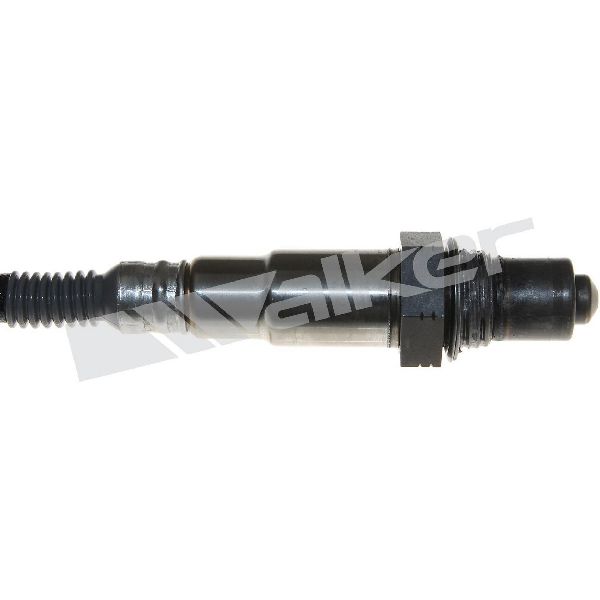
- Quality Aftermarket Brands: Delphi and Walker Products have a solid reputation in the aftermarket and offer a good balance of quality and price. They are generally considered reliable replacements.
- Budget-Friendly Brands: Brands like DriveWire, Spectra, and Vemo offer a lower price point. While tempting, be aware that the calibration might not be as precise as premium brands, which can sometimes lead to persistent, though less severe, performance issues or a shorter lifespan.
A Note on OEM vs. Aftermarket
For critical sensors like the upstream (air/fuel ratio) sensors, spending a little more on a premium brand like Bosch, Denso, or NGK/NTK is a wise investment. These have the most direct impact on engine performance and fuel economy. For the downstream (catalyst monitoring) sensors, a quality mid-tier brand is often sufficient.
Common Ordering Mistakes

The biggest mistake is ordering the wrong sensor. The 2010-2017 F-150 uses different sensors depending on the engine, model year, and sensor location (upstream/downstream, left/right bank). For example, a 2010 model may have different part numbers than a 2015 model. Always verify the part number on your old sensor before ordering a new one. Remember: "Bank 1" is the passenger side, and "Bank 2" is the driver's side.
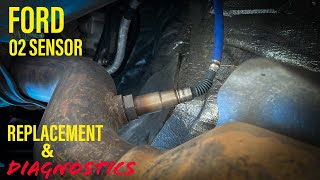
🎬 Watch: How to locate your O2 sensors on an F-150Known Issues & Technical Service Bulletins (TSBs)

- TSB 12-6-16: Some 2009-2010 F-150s with the 4.6L or 5.4L engine may throw codes P0130 and P0150. Ford determined this could be a software error and issued a PCM (powertrain control module) update. If you have these specific codes on a 2010 model, check with a dealer or qualified shop about a reflash before replacing sensors.
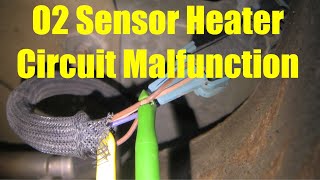
- Multiple Heater Codes: If you get codes for all four sensor heater circuits at once (P0135, P0141, P0155, P0161), it's very unlikely all four sensors failed. Check the fuse for the O2 sensor heaters first. On many 2015-2017 models, this is Fuse #95 in the under-hood fuse box. 🎬 See how to diagnose and fix O2 sensor heater circuit codes
- 2.7L EcoBoost Cracked Manifold: On 2.7L EcoBoost engines, a persistent upstream O2 sensor code (like P0131 or P0151) that doesn't resolve after replacing the sensor can sometimes be caused by a cracked exhaust manifold.
Cost to Replace an F-150 Oxygen Sensor
| Part/Service | Estimated Cost |
|---|---|
| New Aftermarket Oxygen Sensor | $26.77 - $152.12 |
| Shop Labor | $68 - $150 |
| Total Professional Replacement (1 Sensor) | $95 - $300+ |
Costs are estimates and can vary based on your location, the specific sensor being replaced, and whether the old sensor is seized, requiring more labor.
Frequently Asked Questions (FAQ)

How many oxygen sensors does my 2010-2017 F-150 have?
All gasoline engines in this year range (including the 2.7L, 3.5L, 5.0L, and 6.2L) have four oxygen sensors: two upstream (before the catalytic converters) and two downstream (after the catalytic converters).
What is the difference between upstream and downstream sensors?
Upstream sensors (also called Sensor 1) are the most important for engine performance. They measure the air-fuel ratio coming out of the engine so the computer can make adjustments. Downstream sensors (Sensor 2) primarily monitor the efficiency of the catalytic converter.
Can I replace just one oxygen sensor?
Yes, you only need to replace the sensor that has failed. However, O2 sensors are wear items. If one has failed due to high mileage (over 100,000 miles), the one on the opposite bank is likely not far behind. Many mechanics recommend replacing them in pairs (both upstream or both downstream) to ensure balanced engine performance.
Do I need a special tool to replace an oxygen sensor?
A special O2 sensor socket is highly recommended. It's a socket with a slot cut out for the sensor's wire. While a standard 22mm or 7/8" wrench can sometimes work, the sensors are often very tight or seized in the exhaust pipe, and the special socket provides a much better grip to avoid rounding off the sensor's hex head.
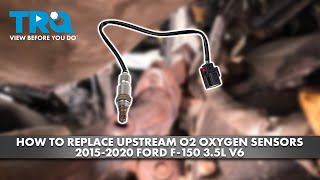
🎬 Watch this walkthrough for replacing upstream O2 sensorsHelpful Videos

Technical Specifications
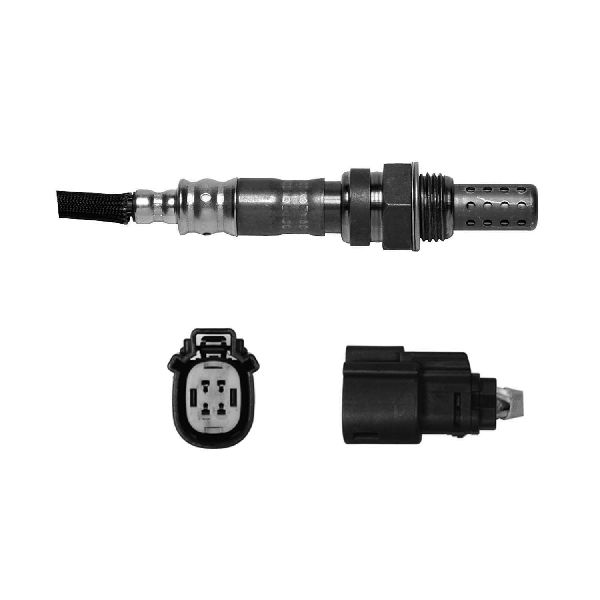
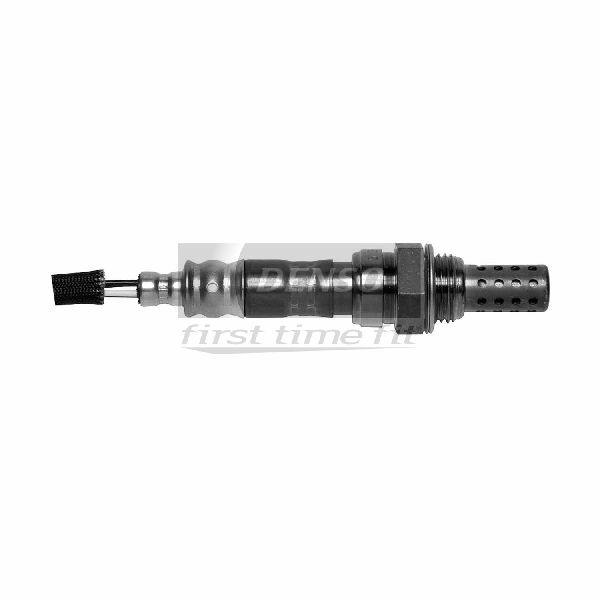
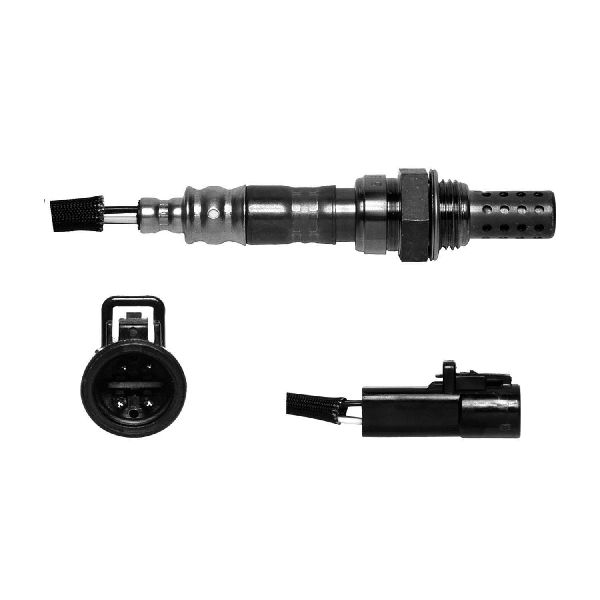
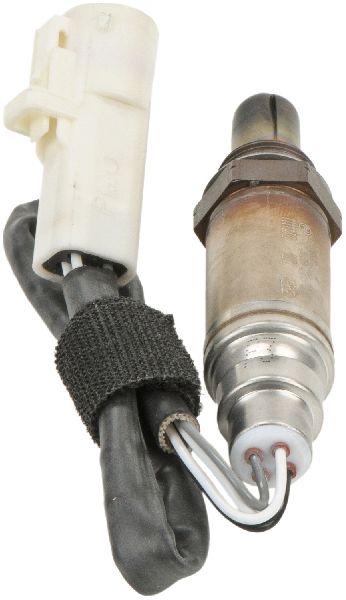
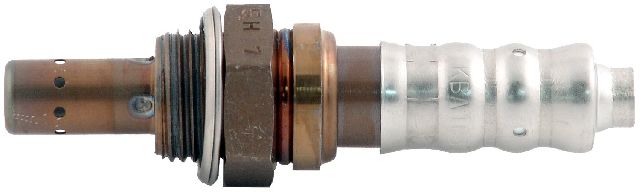
OEM Part Numbers: FL3Z-9G444-D DY1325 234-5076 234-5113 234-4494 234-4961
All 2010-2017 Ford F-150 models use four heated oxygen sensors. The upstream sensors are wideband for precise air-fuel ratio measurement, while the downstream sensors are typically narrowband for catalyst monitoring. Connectors and wire harness lengths are specific to location and engine type. A 22mm or 7/8" O2 sensor socket is required for removal and installation.
We Have This Part in Stock

The information in this article is provided for general reference and educational purposes only. Vehicle specifications, procedures, and part compatibility can vary by production date, trim level, and region. Always consult your vehicle's factory service manual and verify part numbers before purchasing or performing repairs. Safety-critical components such as airbags, seat belts, and braking systems should be installed by a qualified professional.
- Ford F-150:
- 🎬 Helpful Videos
- 🛍️ Shop This Part
- Signs of a Failing Oxygen Sensor
- Don't Ignore the Check Engine Light
- Choosing the Right Aftermarket Oxygen Sensor
- A Note on OEM vs. Aftermarket
- Common Ordering Mistakes
- Known Issues & Technical Service Bulletins (TSBs)
- Cost to Replace an F-150 Oxygen Sensor
- Frequently Asked Questions (FAQ)
- 🎟️ Get 5% Off