

Ford Transit Connect Engine Mount Guide for 2010-2017 Models
Experiencing heavy vibration or clunking noises in your van? Your engine mounts might be the problem.
- Vibration at idle and clunking noises are the most common signs of a failed engine mount on a Transit Connect.
- The vehicle has three mounts; it's best practice to replace all of them at the same time as a kit.
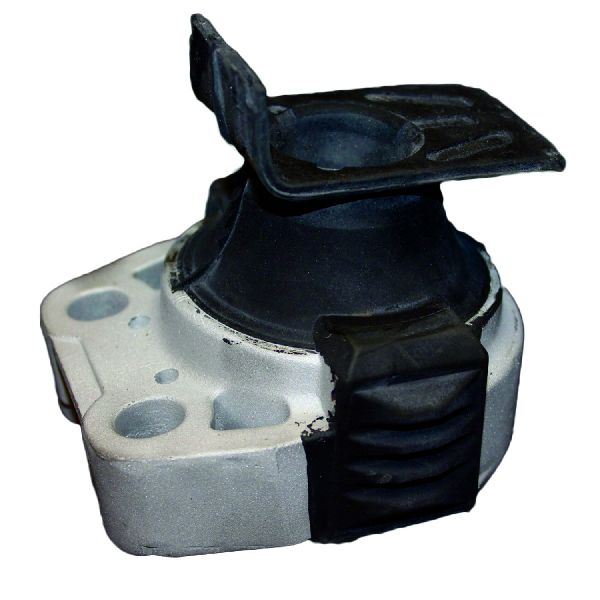
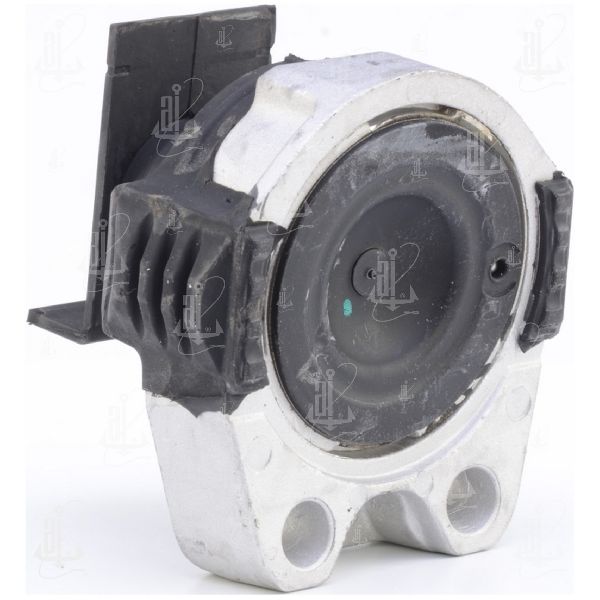
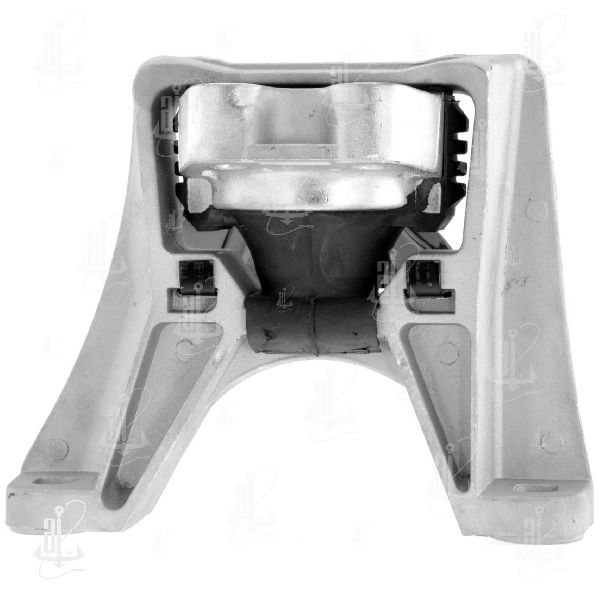
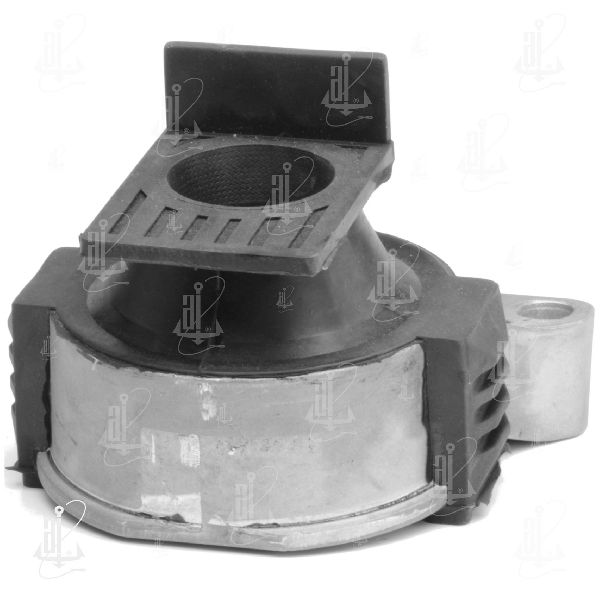
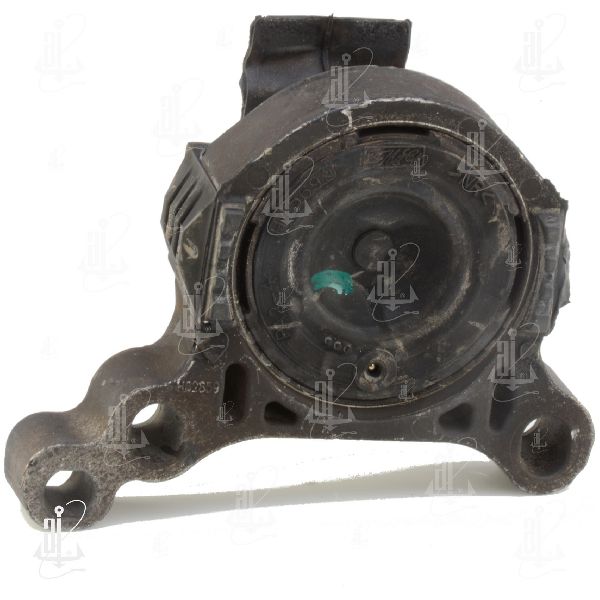
- The passenger-side mount is oil-filled and may leak when it fails.
- This is a DIY-friendly repair that can save significant money on labor costs.
Is Your Transit Connect Shaking or Making Noise?

The engine mounts on the 2010-2017 Ford Transit Connect are designed to absorb vibration. Over time, the rubber in the mounts can crack, wear out, or get soaked with leaking fluids like oil. The main passenger-side mount is filled with oil to better dampen vibrations, and when it fails, it can leak this oil. When a mount fails, the engine can move and shake more than it should, causing noises and a rough ride.
Common Symptoms of a Bad Engine Mount
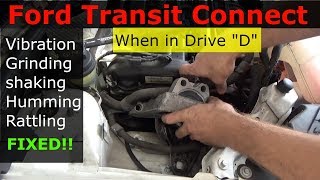
- Heavy Vibration: A strong vibration felt in the steering wheel or cabin, especially when idling with the transmission in Drive. 🎬 Watch this video to see how a bad mount causes heavy vibration. The vibration might lessen if you shift to Neutral.
- Clunking or Banging Noises: Loud clunks when you accelerate, brake, or put the van into gear.
- Engine Lurching: The engine visibly jumps or rocks if you have someone watch it while you shift from Park to Drive.
- Rough Ride: A general sense of shuddering or jerking as you accelerate.
Choosing the Right Aftermarket Mount

When replacing your engine mounts, you don't have to buy expensive OEM parts. Aftermarket brands offer a good balance of quality and price. However, quality can vary between brands.
For this part, aftermarket brands fall into a few general tiers:
- Value Brands (Anchor, DEA, Westar): These brands are widely available and very affordable. They are a practical choice for budget-conscious repairs. Forum users have mixed reviews; some find they work fine, while others report issues with fit or a shorter lifespan compared to OEM. If choosing a value brand, it's a good idea to replace all three mounts at the same time to ensure they wear evenly.
- Standard Quality Brands (Pioneer): Brands like Pioneer are often seen as a step up, with some users noting their quality and appearance are very close to the original factory parts. They offer a good middle ground between price and durability.
Pro Tip: Since labor is a significant part of the total cost, consider replacing all three mounts (engine, transmission, and lower torque strut) at once. A failed mount puts extra stress on the remaining good ones, which can cause them to fail sooner. A full kit can be a cost-effective solution.
How Much Does an Engine Mount Replacement Cost?
The total cost depends on whether you do it yourself or use a repair shop. The parts themselves are not very expensive.
| Expense | Estimated Cost |
|---|---|
| New Aftermarket Mounts (per mount) | $28.95 - $116.28 |
| Shop Labor | $119 - $174 |
| Total Professional Replacement (one mount) | $150 - $300+ |
Frequently Asked Questions

Is there a recall on the 2010-2017 Transit Connect engine mounts?
No, there are no specific recalls for the engine mounts themselves. However, there was a major recall (Ford 21S24) for the shifter cable bushing on 2013-2017 models with the 2.5L engine. A failed bushing could let the van roll away when in Park, which might be confused with engine movement from a bad mount.
Can I replace the engine mounts myself?
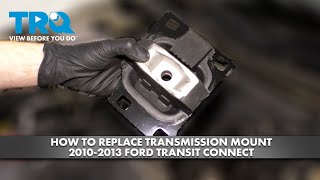
Yes, this is a manageable DIY job for someone with the right tools. You will need a good socket set, wrenches, and a jack to safely support the engine while you work. Several video guides are available online that show the process 🎬 See this step-by-step walkthrough for replacing the motor and transmission mounts. for the Transit Connect.
How many engine mounts does the Transit Connect have?
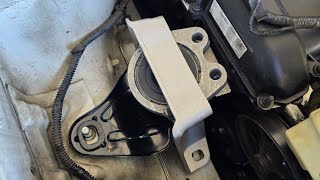
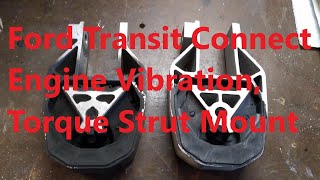
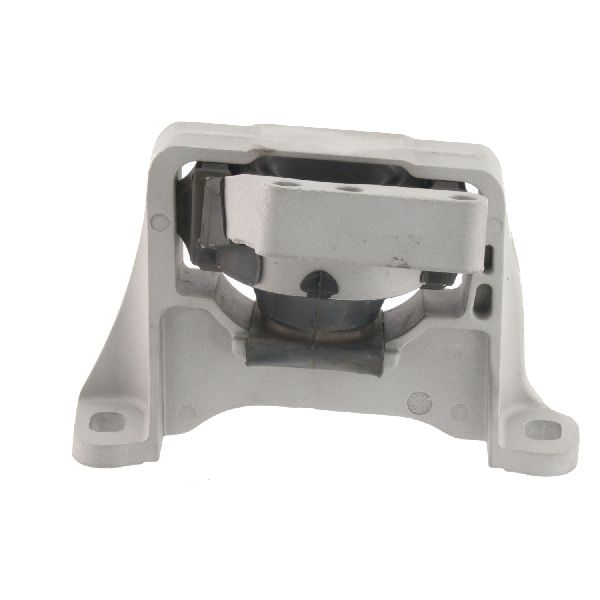
The 2010-2017 Transit Connect uses a system of three mounts. There is a primary engine mount on the passenger side (under the coolant tank), a transmission mount on the driver's side (under the battery), and a lower torque strut mount (or 'dog bone') underneath the vehicle.
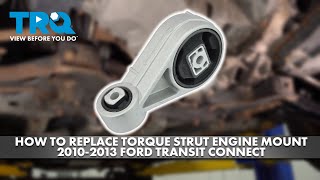
🎬 Watch a mechanic replace the lower torque strut mount on this van.Should I buy a single mount or a full kit?
It is highly recommended to replace all three mounts at the same time. When one mount fails, the others have been subjected to the same age and stress, and they are likely to fail soon after. Replacing them all at once saves you from having to pay for labor again in the near future.
Helpful Videos
Technical Specifications
The 2010-2017 Ford Transit Connect uses a three-point mounting system consisting of a right-side (passenger) engine mount, a left-side (driver) transmission mount, and a rear lower torque strut mount, also known as a dog bone. The right-side mount is often a hydraulic, oil-filled design for improved vibration damping.
We Have This Part in Stock

The information in this article is provided for general reference and educational purposes only. Vehicle specifications, procedures, and part compatibility can vary by production date, trim level, and region. Always consult your vehicle's factory service manual and verify part numbers before purchasing or performing repairs. Safety-critical components such as airbags, seat belts, and braking systems should be installed by a qualified professional.
- Ford Transit Connect: