

Ford Transit Connect Serpentine Belt: A Guide for 2010-2017 Owners
Understand the symptoms of a failing serpentine belt and learn how to choose the right replacement for your van.
- A squealing noise is the first and most common sign of a worn serpentine belt.
- Always inspect the belt tensioner and idler pulleys when replacing the belt; it's best practice to replace them as a kit.
- Premium aftermarket brands like Gates and Continental offer OEM-quality replacements, providing excellent value.
- Driving with a broken serpentine belt is not possible, as it will cause the engine to overheat and the battery to die.
Understanding Your Transit Connect's Serpentine Belt


The serpentine belt is a critical wear-and-tear part on your 2010-2017 Ford Transit Connect. This single belt is responsible for powering multiple engine accessories. If it fails, your van will stop running very quickly. The year range 2010-2017 covers two generations of the Transit Connect in North America: the first generation (2010-2013) with a 2.0L engine, and the second generation (2014-2017) with either a 2.5L or 1.6L EcoBoost engine. 🎬 See this walkthrough for changing belts on the 2.5L engine. It is crucial to get the correct belt for your specific engine, as they are not interchangeable.
Symptoms of a Failing Serpentine Belt
A failing belt usually gives warning signs before it breaks completely. Being aware of these can save you from being stranded.
- Squealing or Chirping Noises: This is the most common symptom. A high-pitched squeal, especially on cold starts or when turning the steering wheel, often means the belt is slipping due to wear or improper tension.
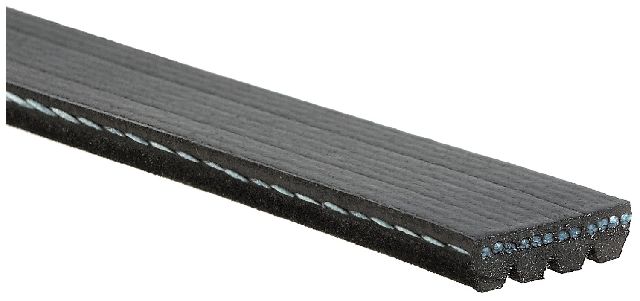
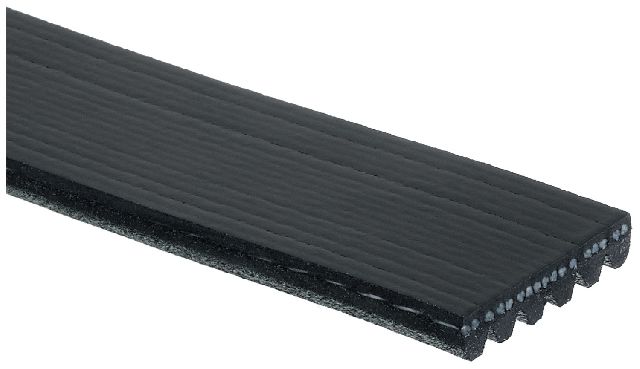
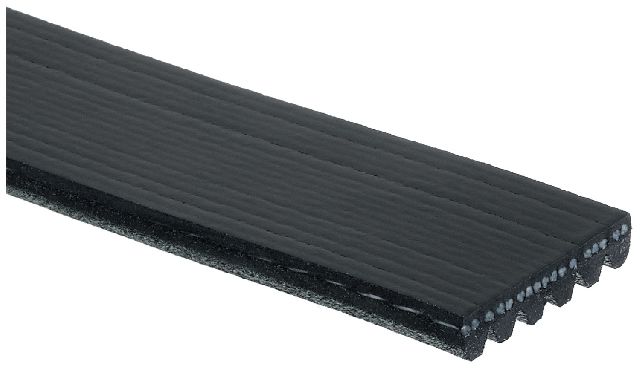
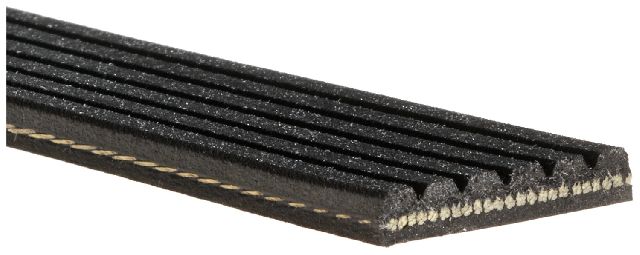
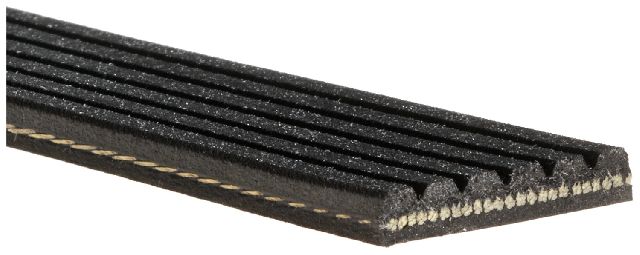
- Visible Wear: A visual inspection can reveal a lot. Look for cracks, frayed edges, missing ribs, or a shiny, glazed appearance on the belt. Any of these signs mean it's time for a replacement.
- Accessory Malfunctions: Since the belt powers many components, you might notice dimming headlights or a battery warning light (from the alternator failing), loss of air conditioning, or difficulty steering.
- Engine Overheating: The serpentine belt drives the water pump. If the belt slips or breaks, the water pump stops circulating coolant, causing the engine to overheat quickly.
Pro-Tip: Check the Tensioner and Pulleys
A serpentine belt's lifespan is heavily dependent on the belt tensioner and idler pulleys. These parts keep the belt tight and aligned. It is highly recommended to replace the belt tensioner and any idler pulleys at the same time as the belt. A worn tensioner can cause a new belt to fail prematurely or pop off.
Choosing the Right Aftermarket Serpentine Belt
When it's time for a replacement, you have several options. While Motorcraft is the Original Equipment Manufacturer (OEM) brand, several aftermarket brands offer excellent quality, often at a better price.
- Premium Aftermarket (Gates, Continental): These brands are well-regarded in the industry and often considered OEM-equivalent or even better. They use high-quality EPDM rubber compounds that resist heat and cracking, providing a long service life. Many professional mechanics trust and use these brands.
- Standard Aftermarket (Dayco): Dayco is another reputable brand that offers a good balance of quality and affordability. Their belts are a solid choice for daily drivers and meet or exceed OEM specifications.
- OEM (Motorcraft): This is the same part your Transit Connect came with from the factory. It's a guaranteed fit and quality part, but often comes at a higher price compared to aftermarket options.
| Part Type | Estimated Cost |
|---|---|
| New OEM (Motorcraft) | $45 - $90 |
| New Aftermarket (Gates, Continental, Dayco) | $24 - $85 |
| Shop Labor | $100 - $200 |
Frequently Asked Questions
When should I replace my serpentine belt?
Most manufacturers recommend inspecting the belt at every oil change and replacing it between 60,000 and 100,000 miles, or sooner if you see signs of wear like cracking or fraying. Driving conditions can affect this interval.
Should I replace the tensioner and idler pulleys with the belt?
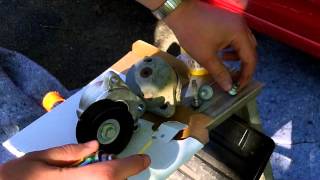
Yes, it is highly recommended. The tensioner and pulleys wear out over time. A failing tensioner can cause a brand new belt to perform poorly or even break. Many brands sell a complete kit that includes the belt, tensioner, and pulleys.
🎬 Watch: Full drive belt component kit replacement for 2010-2013 models.Is this a difficult job to do myself?
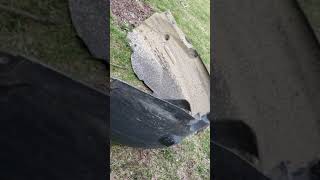
For a mechanically inclined person with the right tools, this is a feasible DIY job. It typically takes about an hour. You will need a wrench (often 13mm or 15mm) or a specific serpentine belt tool to release the tensioner. Access can be tight, and on some models, you may need to remove the front passenger wheel and a splash guard.
🎬 Watch: How to install a serpentine belt on a 2010 model.Are there any recalls for the serpentine belt on the 2010-2017 Transit Connect?
As of late 2023, there are no specific recalls for the serpentine belt itself on this generation of Transit Connect. However, there is a significant recall (NHTSA ID: 22V-413) for the shifter cable bushing on 2013-2021 models with the 2.5L engine, which can affect vehicle operation. It is always best to check for any open recalls using your vehicle's VIN on the NHTSA website.
Helpful Videos

Technical Specifications
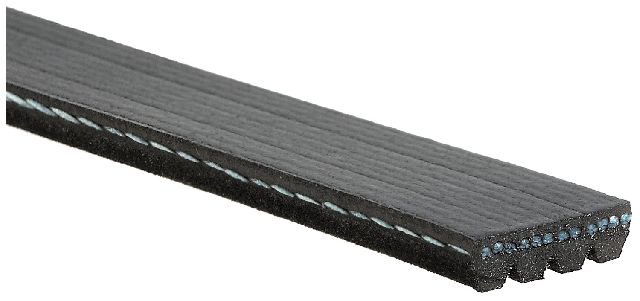
OEM Part Numbers: CV6Z-8620-E JK4542B
The 2010-2017 Ford Transit Connect uses different serpentine belts depending on the engine (2.0L, 2.5L, or 1.6L EcoBoost). The 2.5L engine, for example, may use a main drive belt and a separate, smaller belt for the A/C compressor. Always verify the correct part number for your specific engine and model year before purchasing.
We Have This Part in Stock

The information in this article is provided for general reference and educational purposes only. Vehicle specifications, procedures, and part compatibility can vary by production date, trim level, and region. Always consult your vehicle's factory service manual and verify part numbers before purchasing or performing repairs. Safety-critical components such as airbags, seat belts, and braking systems should be installed by a qualified professional.
- Ford Transit Connect: