

A Guide to the 2010-2017 GMC Terrain Oil Pan
Understanding oil leaks and replacement options for your first-generation GMC Terrain.
- Verify your engine (2.4L, 3.0L, or 3.6L) before ordering, as the oil pans are not interchangeable.
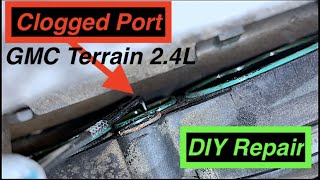
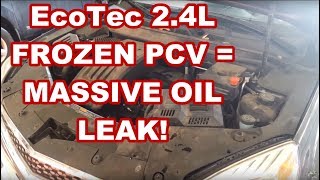
- For 2.4L engines, be aware that major oil loss could be from a blown rear main seal due to a clogged PCV system, not just the oil pan.
- An aftermarket oil pan is a cost-effective and reliable alternative to a more expensive OEM part for this component.
- Always use a new gasket or the correct sealant and check for leaks after installation to avoid having to do the job twice.
Is Your GMC Terrain Leaking Oil?

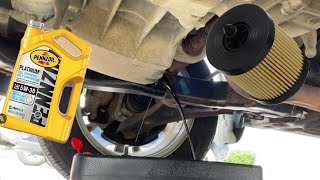
An oil leak is one of the most common issues for any vehicle, and the 2010-2017 GMC Terrain is no exception. While the oil pan itself is a durable part, it can fail in a few key ways. The most frequent cause of a leak is a degraded oil pan gasket, which is the seal between the pan and the engine block. Over time, this seal can become hard and brittle, allowing oil to seep out. Another common failure point is the drain plug, which can be stripped or improperly tightened during an oil change, 🎬 Watch: How to properly change your oil and filter. causing a persistent drip. Finally, since the pan is at the bottom of the vehicle, it is vulnerable to impact from road debris, which can cause cracks or punctures.
Important Related Issues for 2.4L Engines
If you own a Terrain with the 2.4L four-cylinder engine, you should be aware of two widespread issues that can cause major oil loss. While not direct failures of the oil pan, their symptoms can be similar.
- Excessive Oil Consumption: Many 2.4L engines from this era suffer from worn piston rings, causing the engine to burn oil. GM issued a special coverage program (16118) for this, as it can lead to dangerously low oil levels between changes.
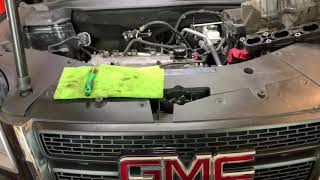
- PCV System Clogging: In cold weather, the Positive Crankcase Ventilation (PCV) system orifice can freeze and clog. This builds pressure inside the engine that can blow out the rear main seal, causing a severe oil leak often mistaken for a pan gasket failure. 🎬 Watch: How frozen PCV systems cause rear main seal blowouts.
Choosing the Right Aftermarket Oil Pan

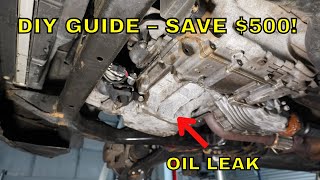
When it's time for a replacement, you have a choice between an original equipment manufacturer (OEM) part from GM and an aftermarket part. For a component like an oil pan, an aftermarket part from a brand like 'Replacement' offers a significant cost saving without a major compromise in quality. These pans are designed to match the fit and function of the original, are made from similar materials like aluminum or steel, and often include a new drain plug. Since the oil pan is not a complex moving part, a quality aftermarket version is a reliable and budget-friendly choice that will likely last the remaining life of your vehicle. 🎬 See this step-by-step tutorial for replacing your oil pan. The most critical step is ensuring you order the correct pan for your specific engine, as the 2.4L I4, 3.0L V6, and 3.6L V6 engines all use different oil pans.
Pro Tip: Gasket or Sealant?
When installing your new oil pan, it is crucial to use a new gasket or the correct type of RTV sealant as specified for your engine. Reusing an old gasket or using the wrong sealant is a common cause of repeat leaks. Always clean both the engine block and new oil pan surfaces thoroughly before installation.
Replacement Cost

| Part/Service | Estimated Cost |
|---|---|
| New Aftermarket Oil Pan | $70 - $125 |
| New OEM Oil Pan | $160 - $190 |
| Shop Labor | $360 - $528 |
| Total Estimated Replacement | $430 - $653 (Aftermarket) / $520 - $718 (OEM) |
Frequently Asked Questions

Is the oil pan different for the 4-cylinder and V6 Terrain?
Yes, it is very important to get the correct part. The oil pans for the 2.4L 4-cylinder, 3.0L V6, and 3.6L V6 engines are not interchangeable. Always confirm the part fits your specific engine before ordering.
What are the signs of a failing oil pan?
The most obvious sign is puddles or drips of dark, oily fluid under the front of your vehicle. You may also notice your low oil warning light coming on, or you might find the oil level is consistently low when you check the dipstick. In severe cases, very low oil can cause engine rattling or knocking noises.
Can I just replace the gasket instead of the whole pan?
If the leak is from a failed gasket and the pan itself is not cracked, warped, or damaged, you can just replace the gasket or re-seal it with RTV. However, if the drain plug threads are stripped or the pan is damaged, you must replace the entire oil pan assembly.
What happens if I ignore an oil leak?
Ignoring an oil leak is risky. A small leak can suddenly become worse, leading to a rapid loss of oil. Running your engine on low oil can cause inadequate lubrication, overheating, and catastrophic engine failure, which is a far more expensive repair than replacing an oil pan.
Helpful Videos


Technical Specifications
OEM Part Numbers: 12601240 12643074
Material: Aluminum or Steel. Gasket/Sealant not always included. Includes drain plug.

The information in this article is provided for general reference and educational purposes only. Vehicle specifications, procedures, and part compatibility can vary by production date, trim level, and region. Always consult your vehicle's factory service manual and verify part numbers before purchasing or performing repairs. Safety-critical components such as airbags, seat belts, and braking systems should be installed by a qualified professional.
- GMC Terrain: