

A Guide to the Serpentine Belt for the 2010-2017 Mini Cooper
Everything you need to know before replacing the serpentine belt on your R56, R60, or other second-generation Mini.
- If your belt failed early, find the root cause. A bad tensioner, seized pulley, or oil leak is the likely culprit.
- For best results, choose a quality aftermarket brand like Continental or Gates, which are often original equipment suppliers.
- It is highly recommended to replace the belt tensioner at the same time as the belt to prevent premature failure of the new belt.
- A complete belt failure will cause the engine to overheat and lose electrical power, leaving you stranded.
Signs of a Failing Serpentine Belt
A worn-out serpentine belt gives clear warning signs before it fails completely. Ignoring them can leave you stranded. Be alert for these symptoms:
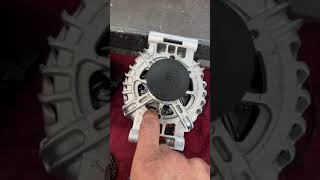
- Squealing or Chirping Noises: This is the most common sign. A high-pitched squeal or chirp from the engine bay, especially on startup or when the A/C is on, means the belt is slipping. 🎬 Watch: How to diagnose common belt squeaks and squeals.
- Visible Wear and Tear: Pop the hood and look at the belt. If you see cracks, fraying, missing chunks, or a smooth, glazed appearance on the ribbed side, it's time for a replacement.
- Accessory Problems: If your battery light comes on, your power steering feels stiff, or the air conditioning isn't blowing cold, the belt may not be providing enough power to those components.
- Overheating: If you see the engine temperature gauge climbing, the belt may have stopped turning the water pump. Pull over immediately to prevent severe engine damage.
A Common Mini Problem: More Than Just the Belt
Many Mini Cooper owners report that their car repeatedly shreds or "eats" serpentine belts. This is rarely the fault of the belt itself. It is almost always caused by another failing part in the system, such as a worn-out belt tensioner, a seized pulley, or an oil leak from a nearby seal that is contaminating the belt. If your belt has failed prematurely, you must inspect the entire system.
Choosing the Right Aftermarket Serpentine Belt
You don't need to buy a Genuine MINI part to get excellent quality. Many aftermarket brands meet or exceed OEM specifications. For a European car like a Mini, sticking with established brands that are known OEM suppliers is a smart choice.
Here’s a breakdown of the available brands:
- Tier 1: OEM Quality (Continental): Continental is a primary OEM supplier for BMW and Mini. Choosing a Continental belt is often the same as buying the Genuine part without the dealership price tag. They are known for their reliability and correct fit, making them a top recommendation.
- Tier 1: Excellent Aftermarket (Gates): Gates is another highly respected brand that produces OEM-quality parts. Forum users have even noted that the Gates tensioner assembly for the Mini appears identical to the OEM part, suggesting they are the original manufacturer. You can trust a Gates belt to perform reliably.
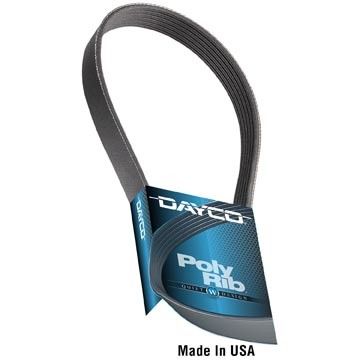
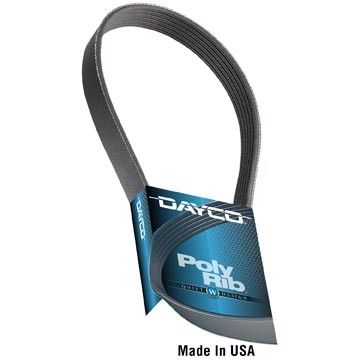
- Tier 2: Solid & Reliable (Dayco): Dayco is a well-known aftermarket brand that offers good quality at a competitive price. While most users have good experiences, some mechanics prefer Continental or Gates for European applications. Dayco belts are engineered to perform well even on drives with slightly worn pulleys.
Pro Tip: Replace the Tensioner and Pulleys
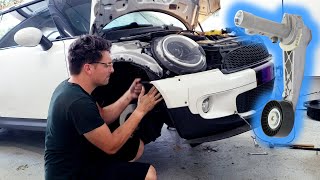
Experienced mechanics strongly recommend replacing the serpentine belt tensioner at the same time as the belt, especially if your car has over 60,000 miles. The spring-loaded tensioner is a common failure point and a bad one will destroy a new belt very quickly. 🎬 See this walkthrough on replacing the belt tensioner. Inspecting the idler pulleys for smooth, quiet operation is also a crucial step.
Frequently Asked Questions
How much does it cost to replace a Mini Cooper serpentine belt?
The total cost depends on whether you do it yourself or use a repair shop. The aftermarket belt itself is inexpensive, typically costing between $20 and $41. If you go to a shop, labor is the biggest expense, ranging from $170 to over $360 depending on your Mini's specific model. The total job at a professional shop will likely be between $200 and $420.
How often should the serpentine belt be replaced?
As a general rule, the serpentine belt should be inspected at every oil change and replaced every 50,000 to 60,000 miles, or as soon as you see signs of wear like cracking or fraying.
Can I replace the serpentine belt myself?
Yes, this is a DIY-feasible job for someone with mechanical experience. However, the engine bay on a Mini Cooper is very cramped. The process typically involves jacking up the car, removing the passenger-side wheel and fender liner, and using a wrench or ratchet to release the belt tensioner. Because of the tight access, some find it to be a frustrating job.
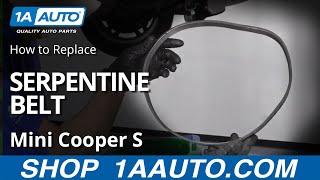
🎬 Watch: Step-by-step guide to replacing the belt yourself.Was there a recall on the serpentine belt for the 2010-2017 Mini Cooper?
No, there have been no official NHTSA recalls for the serpentine belt, tensioner, or related components on these Mini Cooper models.
Helpful Videos
Technical Specifications
OEM Part Numbers: 11-28-7-604-014 11287598833
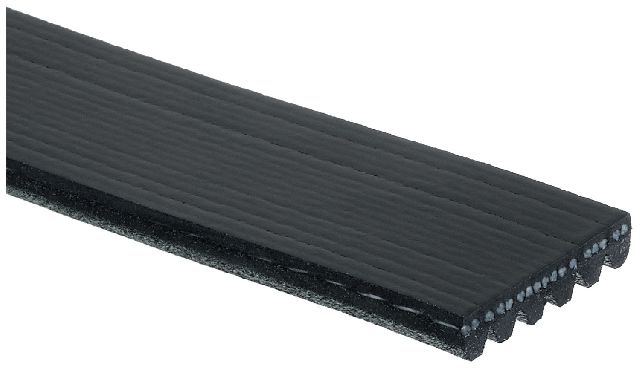
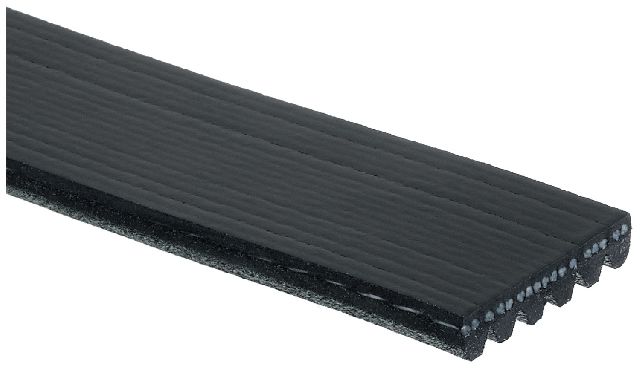
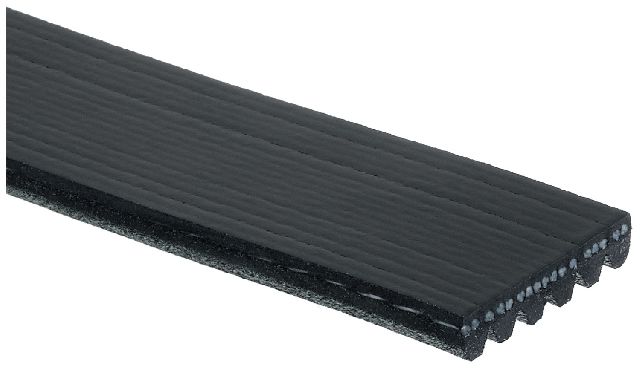
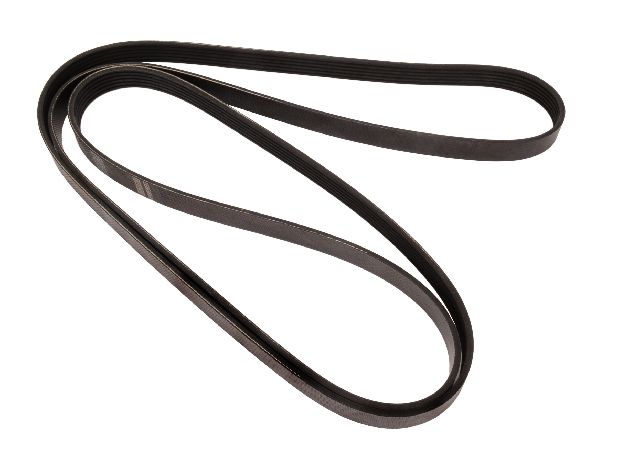
Poly-ribbed (multi-groove) belt. Length and rib count vary by specific model and engine (e.g., Cooper vs. Cooper S, Turbo vs. Non-Turbo).
We Have This Part in Stock

The information in this article is provided for general reference and educational purposes only. Vehicle specifications, procedures, and part compatibility can vary by production date, trim level, and region. Always consult your vehicle's factory service manual and verify part numbers before purchasing or performing repairs. Safety-critical components such as airbags, seat belts, and braking systems should be installed by a qualified professional.
- Mini Cooper: