

Porsche Panamera (2010-2017) Ignition Knock Sensor: A Complete Guide
Understand the symptoms of a failing knock sensor and learn how to choose the right replacement to protect your Panamera's engine.
- Choose an OEM-supplier brand like Bosch to ensure reliability, as labor is the most expensive part of the job.
- Due to the difficult access, always replace all knock sensors at the same time, not just the one that failed.
- The wiring harness is a common failure point; inspect it carefully and replace if it appears brittle or damaged.
- Ignoring a knock sensor fault puts your engine at risk of serious damage from detonation.
Is Your Panamera's Knock Sensor Failing?
A faulty knock sensor is more than just a check engine light. Because the sensor is critical for engine protection, the ECU will default to a 'safe' mode when the signal is lost. This protects the engine but results in noticeable performance problems. You are not just losing performance; you are losing a key safeguard for your engine's health.
Symptoms of a Bad Knock Sensor
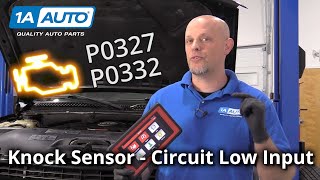
- Check Engine Light: This is the most common sign. The ECU will log fault codes like P0327 (Bank 1) or P0332 (Bank 2). 🎬 Watch: Understanding low input fault codes P0327 and P0332
- Sluggish Performance: Your Panamera will feel noticeably slower and less responsive. The ECU retards ignition timing to prevent potential damage, which severely cuts down on power.
- Audible Engine Ping: You might hear a metallic pinging or knocking sound, especially when accelerating or under load. This is the detonation that the faulty sensor is failing to report.
- Worse Fuel Economy: The engine is no longer running at its most efficient point, which often leads to burning more fuel.
A Common Point of Failure: Wiring
The knock sensors on the Panamera are located in the hot valley between the cylinder banks, underneath the intake manifold. Over time, the intense heat can make the sensor's wiring and connectors extremely brittle, causing them to crack or fail. In many cases, the sensor itself is fine, but the wiring is the root cause of the fault code. It's also common for coolant leaks in this area to pool and damage the sensors and wiring.
🎬 Watch: Diagnosing knock sensor codes on a Porsche V8 engineChoosing the Right Aftermarket Knock Sensor
Because replacing these sensors requires removing the intake manifold 🎬 See this step-by-step guide for removing the intake manifold—a labor-intensive job—it is critical to choose a high-quality part to avoid doing the job twice. The cost of the part is small compared to the cost of labor.
Brand Quality Tiers
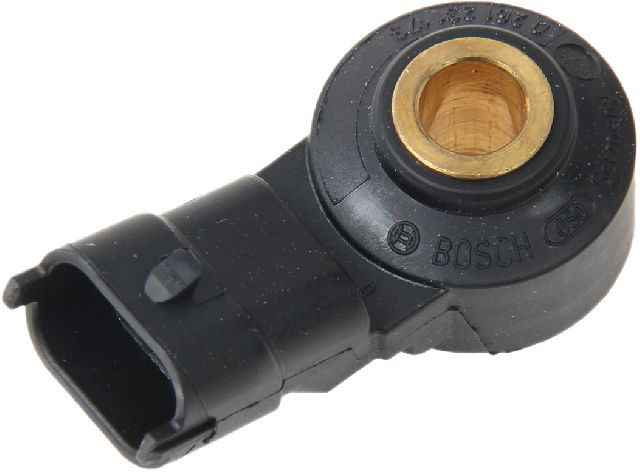
- Tier 1 (OEM Supplier): Bosch
Bosch is the original equipment manufacturer for many Porsche sensors. Choosing a Bosch sensor gives you the exact same quality and performance as the part from a Porsche dealer, but at a much lower cost. For a critical sensor where labor is high, this is the most recommended and reliable option. - Tier 2 (Reputable Aftermarket): Vemo, Facet
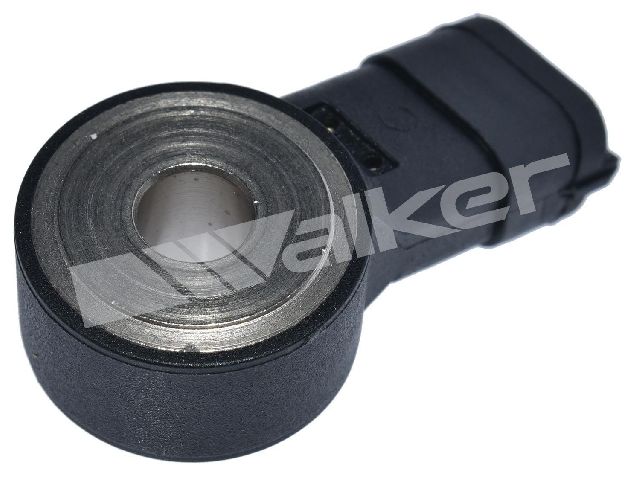
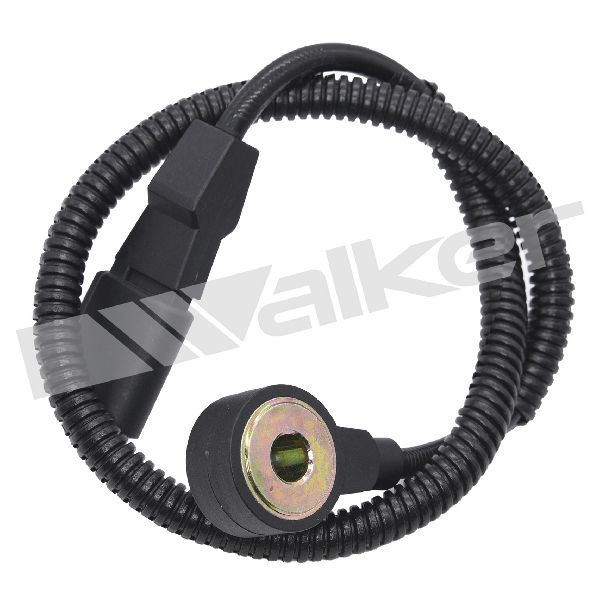
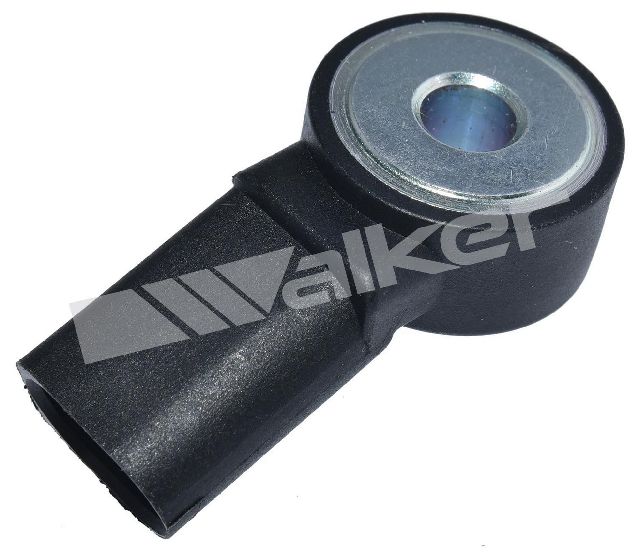
Brands like Vemo and Facet are known in the European aftermarket space and can be a reliable alternative. They offer a good balance of quality and price, but may not have the same extensive validation as the OEM supplier for this specific application. - Tier 3 (Value Brands): Walker Products, Global Parts
These brands provide a cost-effective solution. However, for a high-performance engine like the Panamera's and a high-labor replacement, the risk of premature failure or incorrect readings can outweigh the initial savings. Using these is a gamble that could lead to paying for the same repair again sooner than you'd like.
Pro Tip: Replace in Pairs and Inspect the Harness
Since you must remove the intake manifold to access the sensors, it is strongly recommended to replace all of them at once (V8 engines have four, V6 engines have two). While you're in there, carefully inspect the wiring harness for any signs of brittleness or cracking. If it looks compromised, replace it at the same time to prevent future failures.
Cost of Replacing a Panamera Knock Sensor
The total cost is heavily weighted towards labor due to the sensor's location.
| Part/Service | Estimated Cost |
|---|---|
| New OEM Sensor (Porsche Branded) | ~$313 per sensor |
| New Aftermarket Sensor | $33 - $74 per sensor |
| Shop Labor | $380 - $560 |
| Total Estimated Job (Aftermarket Parts + Labor) | $450 - $850+ |
Frequently Asked Questions
How many knock sensors does my 2010-2017 Panamera have?
Panamera models with V8 engines (S, 4S, GTS, Turbo) have four knock sensors. V6 models typically have two. The sensors are located under the intake manifold in the valley of the engine.
Is this a DIY job?
This is a difficult job for a beginner. It requires removing the intake manifold, fuel rails, and disconnecting various electrical connectors and vacuum lines. It is feasible for an experienced DIY mechanic, but it requires patience and careful attention to detail. For most owners, professional installation is recommended.
What happens if I ignore a bad knock sensor code?
Your car's computer will default to a safe mode with reduced ignition timing, causing poor performance and fuel economy. More importantly, you lose the engine's primary protection against detonation, which can lead to severe and expensive internal engine damage over time if a real knock condition occurs.
Could something else cause a knock sensor code?
Yes. A faulty wiring harness is a very common cause. The wires become brittle from engine heat and can crack. Also, actual engine issues that cause severe vibration or noise could potentially trigger a code. A mechanic can test the sensor and wiring to confirm the point of failure.
Helpful Videos


Technical Specifications
OEM Part Numbers: PAB-905-377-A 955-606-125-00
The knock sensors are located under the intake manifold, bolted to the engine block. V8 engines use four sensors, while V6 engines use two. Replacement requires removing the intake manifold.
We Have This Part in Stock


The information in this article is provided for general reference and educational purposes only. Vehicle specifications, procedures, and part compatibility can vary by production date, trim level, and region. Always consult your vehicle's factory service manual and verify part numbers before purchasing or performing repairs. Safety-critical components such as airbags, seat belts, and braking systems should be installed by a qualified professional.
- Porsche Panamera:
- 🎬 Helpful Videos
- 🛍️ Shop This Part
- Is Your Panamera's Knock Sensor Failing?
- Symptoms of a Bad Knock Sensor
- A Common Point of Failure: Wiring
- Choosing the Right Aftermarket Knock Sensor
- Brand Quality Tiers
- Pro Tip: Replace in Pairs and Inspect the Harness
- Cost of Replacing a Panamera Knock Sensor
- Frequently Asked Questions
- 🎟️ Get 5% Off