

Ford Escape Engine Mount Guide (2010-2018): Symptoms, Brands, and Replacement
Stop excessive engine vibration and clunking noises by choosing the right replacement engine mount for your Escape.
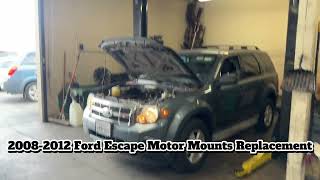
- Verify your Escape's model year; 2010-2012 (Gen 2) and 2013-2018 (Gen 3) use different engine mounts that are not interchangeable.
- The passenger-side hydraulic mount is the most common failure, causing severe vibration at idle and potential fluid leaks.
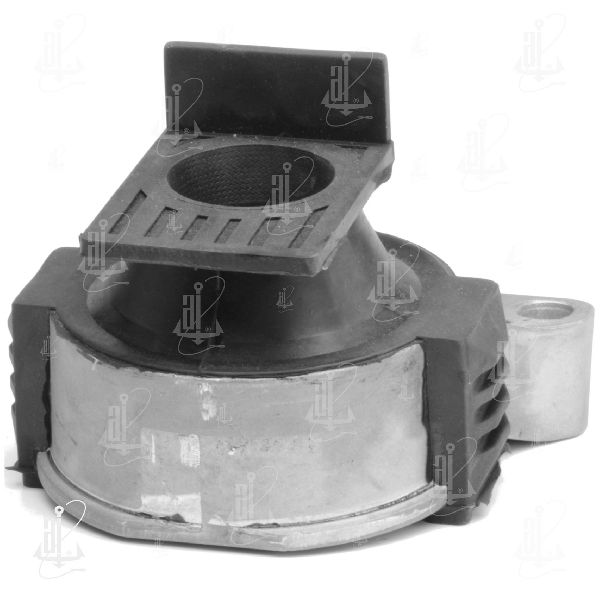
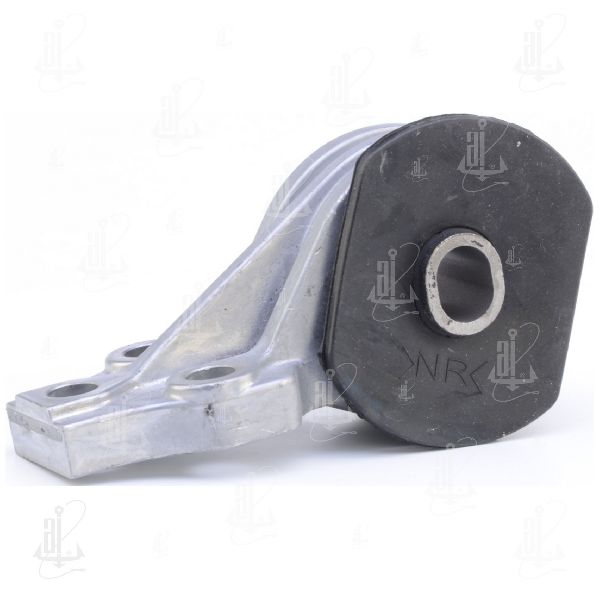
- Aftermarket brands like Anchor, DEA, and Westar offer a cost-effective repair but may transmit slightly more vibration than OEM parts.
- When one mount fails, inspect all others for wear, as they are often subjected to extra stress and may fail soon after.
Is Your Ford Escape Vibrating or Clunking? It Could Be a Bad Engine Mount

If you're feeling a strong vibration at idle, hearing a clunk when you shift gears, or noticing your engine seems to be shaking more than usual, a worn-out engine mount is a likely culprit. These mounts are critical for securing the engine and providing a smooth ride, but the rubber and hydraulic fluid inside them can wear out over time from heat and constant movement.
Important: Two Generations, Different Parts
The 2010-2018 Ford Escape covers two different vehicle generations. The parts are not interchangeable. Always confirm your vehicle's year before ordering:
- 2nd Generation: 2010, 2011, 2012
- 3rd Generation: 2013, 2014, 2015, 2016, 2017, 2018
The passenger-side engine mount is a common failure point on both generations, but they are completely different parts.
Symptoms of a Failing Engine Mount

A bad mount can make itself known in several ways. Here are the most common signs reported by Escape owners:
- Excessive Vibration: You'll feel a noticeable vibration through the steering wheel, floor, or seats, especially when the car is idling in Drive or Reverse.
- Clunking or Banging Noises: Loud clunks or thuds when you accelerate, brake, or shift from Park into Drive or Reverse are a classic sign. This is the sound of the engine shifting and hitting other components.
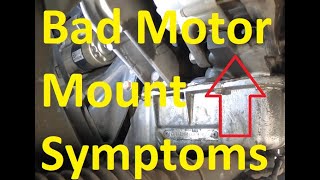
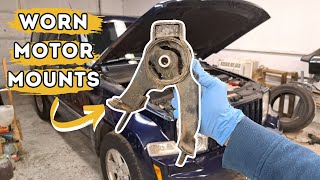
- Visible Engine Movement: If you have a helper shift the car between gears (with the brake held firmly), you may see the engine lurch or rock significantly. 🎬 Watch how to identify and locate a failing engine mount.
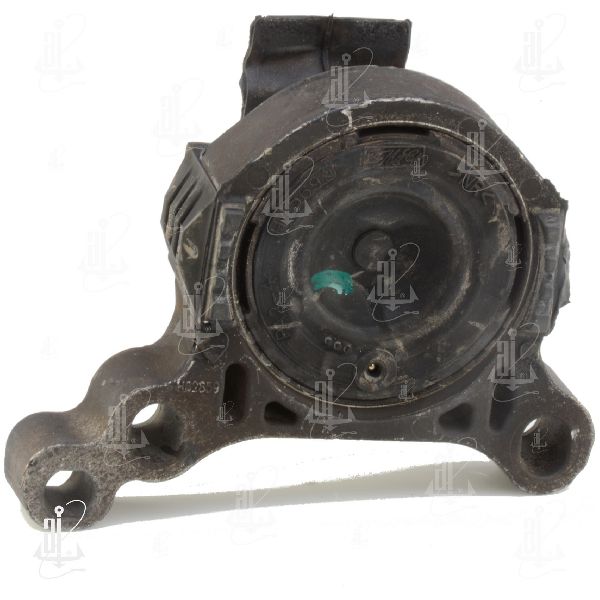
- Leaking Fluid: The main passenger-side mount is often hydraulic (fluid-filled). If it fails, you might see dark, oily fluid on the mount itself or on the frame underneath it.
Choosing the Right Aftermarket Engine Mount

When replacing a failed mount, you have a choice between OEM (Original Equipment Manufacturer) and aftermarket parts. For the Ford Escape, the OEM mounts are typically hydraulic and offer the best vibration damping. Aftermarket mounts are a cost-effective alternative, but their quality and performance can vary.
Aftermarket Brand Tiers
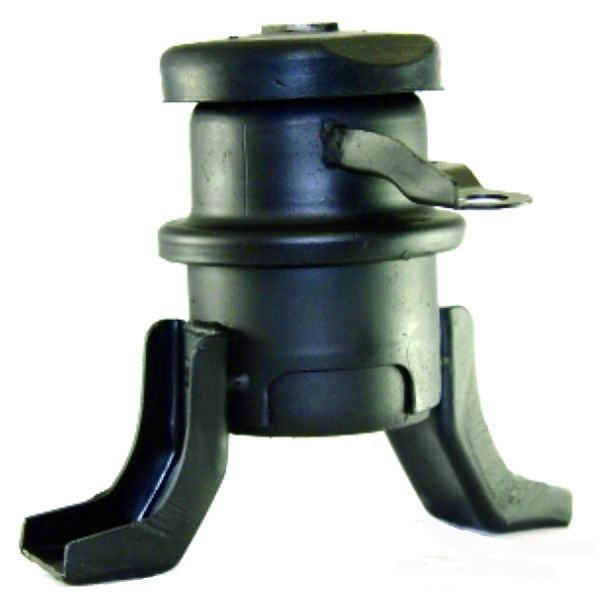
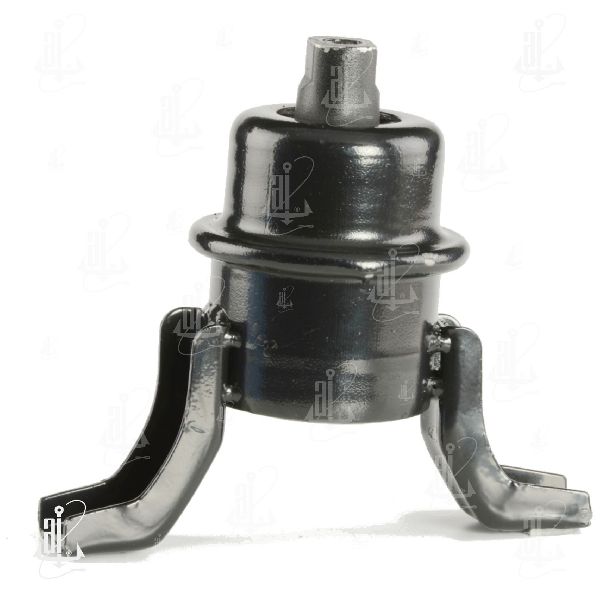
- Standard-Grade Aftermarket (Anchor, DEA, Westar, Pioneer): These brands provide a functional, budget-friendly replacement. They are designed to match the fit of the original part and will solve the major issues of clunking and excessive movement. However, some owners report that solid rubber aftermarket mounts may transmit more minor vibrations into the cabin compared to the original hydraulic Ford mounts. They are a good choice for a daily driver where cost is a primary concern.
- OEM (Motorcraft): If your priority is restoring the original smooth and quiet ride, an OEM Motorcraft mount is the best option. They are more expensive but are specifically designed for the Escape's vibration characteristics.
Pro Tip: The passenger-side mount (right side) is the most common one to fail on the Escape. When one mount fails, it puts extra stress on the others. It's a good practice to inspect all mounts and consider replacing them as a set if they show signs of age or wear.
Ford Escape Engine Mount Replacement Costs
The cost to replace an engine mount depends on the part chosen and labor rates. Aftermarket mounts offer significant savings over OEM parts.
| Part/Service | Estimated Cost |
|---|---|
| New Aftermarket Mount | $32 - $116 |
| New OEM (Motorcraft) Mount | $65 - $250 |
| Shop Labor | $102 - $350 |
| Total Professional Replacement (Aftermarket Part) | $134 - $466 |
| Total Professional Replacement (OEM Part) | $167 - $600 |
Frequently Asked Questions (FAQ)

How many engine mounts does a 2010-2018 Ford Escape have?
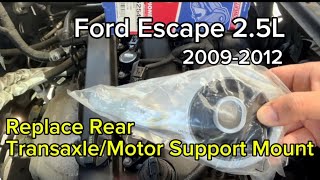
Most Ford Escapes in this year range have three main mounts: a passenger-side engine mount, a driver-side transmission mount, and a lower rear mount often called a torque strut or "dog bone." 🎬 Learn how to replace the rear torque strut mount. Some configurations may vary slightly.
Which engine mount fails most often on the Ford Escape?
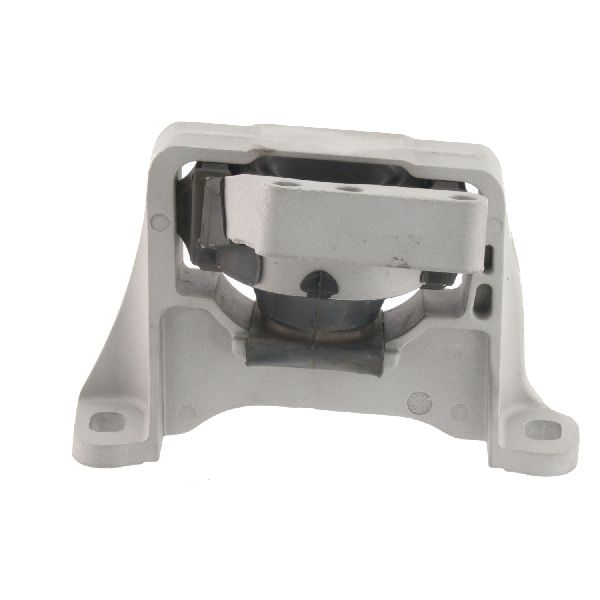
The passenger-side (right) hydraulic engine mount is the most common point of failure for both the 2010-2012 and 2013-2018 generations. This mount supports a significant amount of the engine's weight and its hydraulic design is prone to leaking over time.
Can I drive my Escape with a bad engine mount?
You can usually drive gently to a repair shop, but it's not recommended for long. A completely failed mount allows for excessive engine movement, which can damage wiring, hoses, axles, and exhaust components, leading to more expensive repairs.
Is a vibrating engine always a bad mount?
Not always. While a bad mount is a very common cause of vibration, other issues like a misfiring engine (bad spark plugs or ignition coils) can also cause shaking. However, if the vibration is worst at idle and you hear clunking when shifting, the mounts are the most likely suspect.
Are there any recalls for Ford Escape engine mounts?
As of now, there are no specific NHTSA recalls for the engine mounts themselves on 2010-2018 Ford Escapes. There have been recalls for other engine components, but not the mounts.
Helpful Videos
Technical Specifications
OEM Part Numbers: CV6Z-6038-B (2013-2019 Right Mount, 1.5L/1.6L) BV6Z-6038-A (2013-2019 Right Mount, 2.0L/2.5L) 9L8Z-6061-A (2009-2012 Mount Bracket) 5L8Z6068AE (2009-2012 Rear Mount)
Mounts are typically a combination of steel, aluminum, and rubber. The primary passenger-side mount is often a hydraulic, fluid-filled design for superior vibration damping. The rear mount is a solid rubber torque strut. Replacement requires supporting the engine with a jack and a block of wood.
We Have This Part in Stock

The information in this article is provided for general reference and educational purposes only. Vehicle specifications, procedures, and part compatibility can vary by production date, trim level, and region. Always consult your vehicle's factory service manual and verify part numbers before purchasing or performing repairs. Safety-critical components such as airbags, seat belts, and braking systems should be installed by a qualified professional.
- Ford Escape:
- 🎬 Helpful Videos
- 🛍️ Shop This Part
- Is Your Ford Escape Vibrating or Clunking? It Could Be a Bad Engine Mount
- Important: Two Generations, Different Parts
- Symptoms of a Failing Engine Mount
- Choosing the Right Aftermarket Engine Mount
- Aftermarket Brand Tiers
- Ford Escape Engine Mount Replacement Costs
- Frequently Asked Questions (FAQ)
- 🎟️ Get 5% Off