

A Ford Mechanic's Guide to the 2010-2018 Transit Connect Automatic Transmission Mount
Stop the shaking and clunking noises by understanding and replacing your van's transmission mount.
- Symptoms of a bad mount are clunking noises and heavy vibration at idle.
- Aftermarket mounts are cheaper but fail much faster; OEM parts are recommended for longevity on a work van.
- The job is DIY-friendly, requiring you to support the transmission and remove the battery/tray for access.
- Check for the separate, critical safety recall on the shifter cable bushing (Ford recall 21S24).
Is Your Transit Connect Shaking or Clunking? Check the Transmission Mount
If you're feeling a lot of vibration in the steering wheel or floor, especially when idling at a stop light, a bad transmission mount could be the problem. These vans are known for wearing out their mounts, which can lead to annoying noises and a rough ride. Since the Transit Connect is often used for work, these parts see a lot of stress. Ignoring a bad mount can put extra strain on other parts like engine mounts, axles, and exhaust pipes.
Symptoms of a Failing Transmission Mount
- Vibrations: You'll feel a noticeable vibration throughout the van when it's in gear, especially when stopped.
- Clunking Noises: A loud "clunk" or "bang" when you shift from Park to Drive or Reverse is a classic sign. You might also hear it when you accelerate or brake hard.
- Excessive Movement: You may feel the engine and transmission lurch forward or backward when you get on or off the gas.
A Note on Aftermarket vs. OEM Quality
For a work vehicle like the Transit Connect, durability is key. While aftermarket mounts are cheaper, real-world owner experiences show they often fail much faster than the original Ford parts. Many owners report that economy brands like Anchor, DEA, or Westar can start to cause vibrations again in as little as 20,000-30,000 miles. The rubber used in cheaper mounts is often harder and not as effective at absorbing vibrations, or it breaks down quickly. If you plan to keep your van for a long time, investing in an OEM (Original Equipment Manufacturer) mount from Ford is often worth the extra cost for a smoother ride and longer life.
Choosing the Right Aftermarket Mount
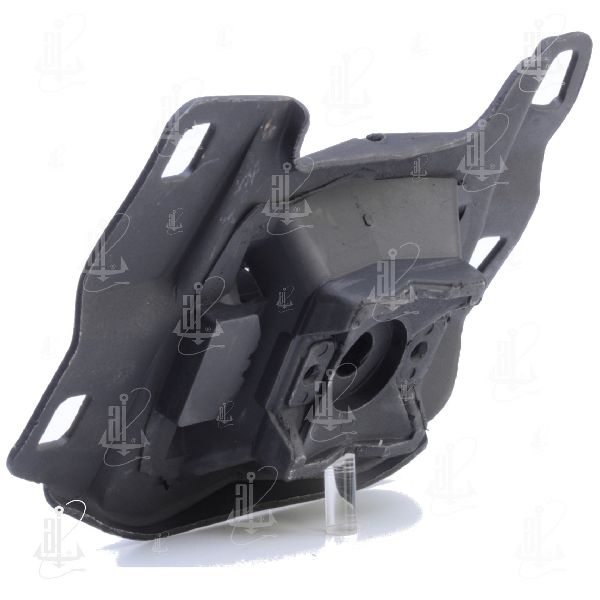
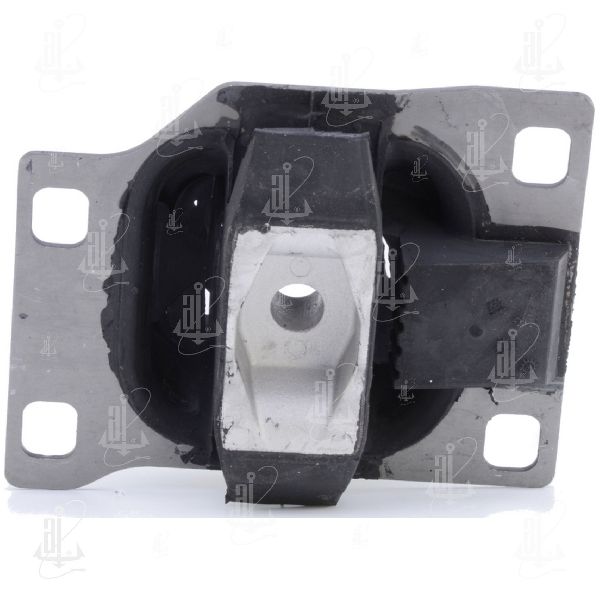
If your budget leads you to an aftermarket part, understand that not all are created equal. There's a reason for the wide price range. The brands available (Anchor, DEA, Pioneer, Westar) are generally considered economy or standard-grade options. They will fit and function, but their lifespan and ability to dampen vibration may be less than the original part. When choosing, consider it a short-term fix rather than a permanent solution. If you see a kit that includes all three mounts (engine, transmission, and lower torque strut) for a very low price, be skeptical of the quality.
Cost of Replacing a Transit Connect Transmission Mount
| Item | Estimated Cost |
|---|---|
| New OEM Part | $60 - $170 |
| New Aftermarket Part | $23 - $70 |
| Shop Labor | $142 - $208 |
| Total Professional Replacement | $227 - $378 |
DIY Replacement Tips
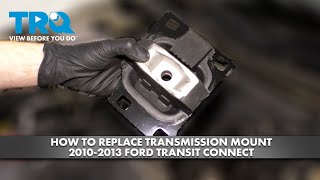
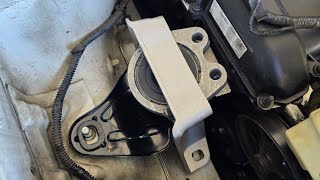
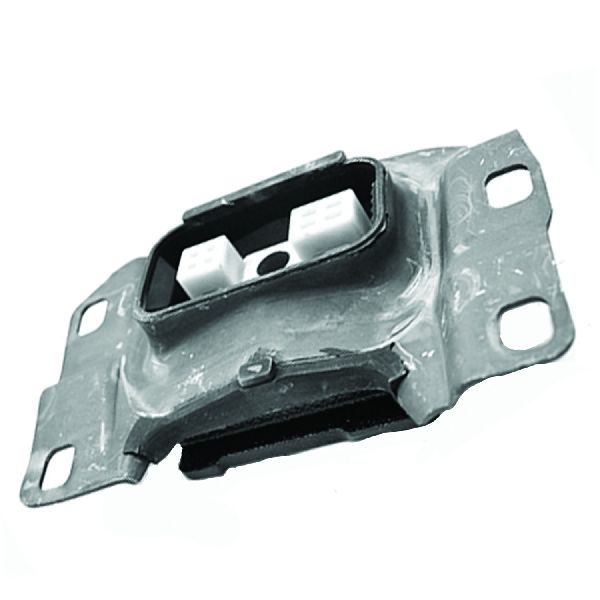
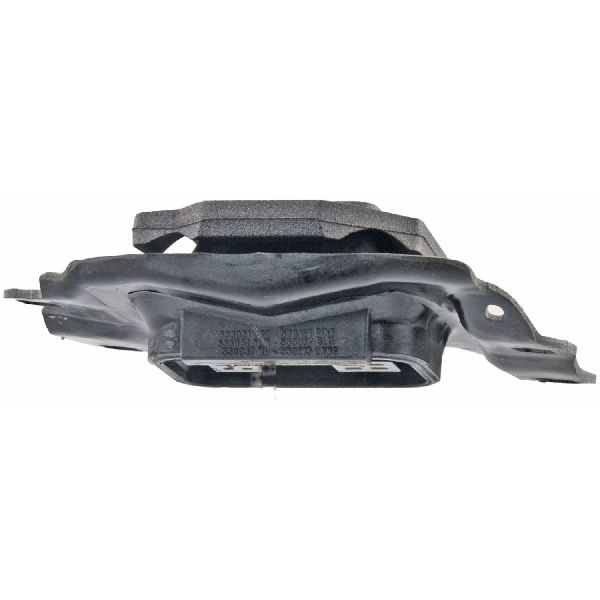
Replacing the transmission mount on a Transit Connect is a manageable job for a DIYer. The main transmission mount is located under the battery. You will need to support the transmission from below with a floor jack and a block of wood before you unbolt the old mount. You must also remove the battery and the battery tray to access the mount from the top. 🎬 Watch: Step-by-step guide to replacing the upper transmission mount. The lower mount, often called a "dog bone" or torque strut, is easier to access from under the vehicle. Always replace one mount at a time.
Frequently Asked Questions
How many transmission mounts does my Transit Connect have?
The Ford Transit Connect has a system of three mounts to hold the engine and transmission. There is one engine mount on the passenger side, one transmission mount on the driver's side (under the battery), and one lower torque strut mount at the rear of the engine cradle. 🎬 See how to replace the rear torque strut mount. They all work together, and if one fails, it puts more stress on the others.
Can I just replace the one broken mount?
Yes, you can replace just the failed mount. However, it's a good practice to inspect the other two mounts while you're at it. Usually, if one has worn out due to age and mileage, the others are not far behind. Replacing them as a set can save you from having to do the job again soon.
Is there a recall on the transmission mount?
No, there is no recall for the transmission mount itself. However, there is a major safety recall (NHTSA #21V229, Ford #21S24) for the shifter cable bushing on many 2013-2021 Transit Connects. A failed bushing can make the vehicle stay in gear when the shifter says it's in Park, leading to a roll-away risk. You can check with a Ford dealer using your VIN to see if your van is affected.
Will a new mount fix my van's rough shifting?
Probably not. While a bad mount can cause clunks *when* shifting, it doesn't usually cause the transmission to shift poorly (like slipping or hesitating). A bad mount can sometimes cause enough movement to affect shift linkages on older cars, but for the Transit Connect, issues with shift quality are more likely related to the transmission fluid, solenoids, or internal problems.
Helpful Videos
Technical Specifications
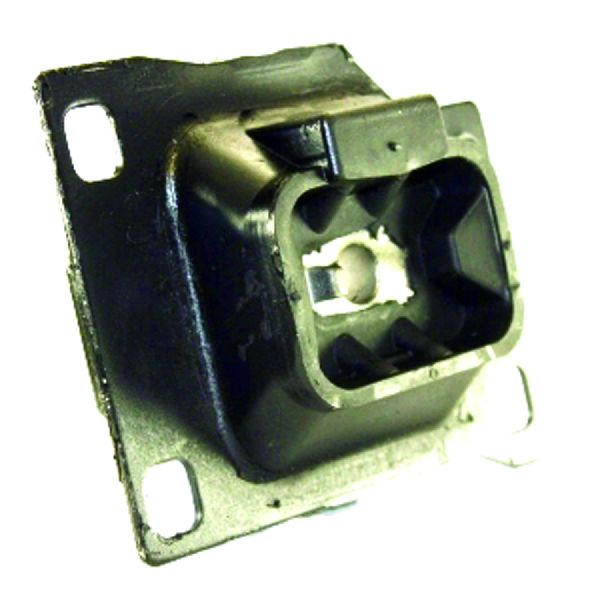
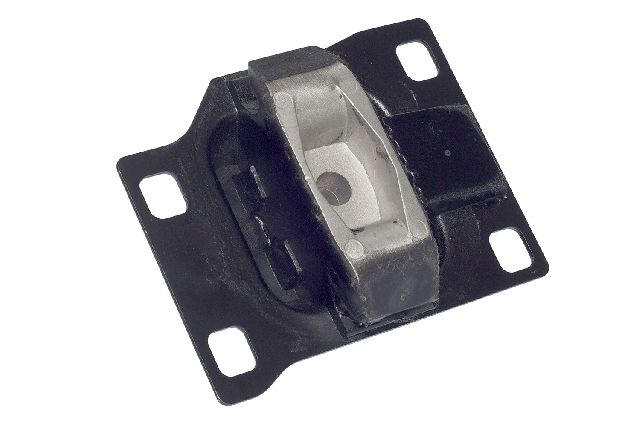
OEM Part Numbers: AV6Z-6068-A BV6Z-6038-A
The system consists of three mounts: a right side engine mount, a left side transmission mount (often hydraulic or rubber), and a rear lower torque strut mount (dog bone style).
We Have This Part in Stock

The information in this article is provided for general reference and educational purposes only. Vehicle specifications, procedures, and part compatibility can vary by production date, trim level, and region. Always consult your vehicle's factory service manual and verify part numbers before purchasing or performing repairs. Safety-critical components such as airbags, seat belts, and braking systems should be installed by a qualified professional.
- Ford Transit Connect:
- 🎬 Helpful Videos
- 🛍️ Shop This Part
- Is Your Transit Connect Shaking or Clunking? Check the Transmission Mount
- Symptoms of a Failing Transmission Mount
- A Note on Aftermarket vs. OEM Quality
- Choosing the Right Aftermarket Mount
- Cost of Replacing a Transit Connect Transmission Mount
- DIY Replacement Tips
- Frequently Asked Questions
- 🎟️ Get 5% Off