

A Guide to the 2010-2018 Kia Forte Neutral Safety (Inhibitor) Switch
If your Forte won't start or shows the wrong gear, this critical transmission switch could be the problem.
- A bad switch can prevent your Forte from starting or cause it to start in the wrong gear, which is a safety hazard.
- Common symptoms include a no-start condition, erratic shifting, and the 'P0705' check engine light code.
- A Technical Service Bulletin (SA317B/C) exists for some 2017 Forte models related to inhibitor switch failure.
- Quality aftermarket brands like Standard Ignition and Rostra offer reliable, cost-effective alternatives to the OEM part.
What is a Neutral Safety Switch?

On your 2010-2018 Kia Forte, you may hear this part called a few different names: neutral safety switch, inhibitor switch, or transmission range sensor (TRS). They all refer to the same component. It's an electronic switch mounted on the outside of your automatic transmission. It reads the position of the shift lever and sends that signal to the main computer. This simple part is responsible for several key functions, and when it fails, it can cause some confusing problems.
Common Symptoms of a Failing Switch

A bad inhibitor switch can make you think you have a major transmission or engine problem. Before you panic, check for these common signs of failure:
- Car Won't Start: The most frequent symptom is a no-start or intermittent starting issue. You'll turn the key, the dashboard lights will come on, but the engine won't crank at all. Sometimes, jiggling the shifter can make a connection and allow it to start.
- Starts in Neutral but Not Park (or Vice Versa): If the car only starts in one of the two correct gears but not the other, it's a strong sign the switch is failing internally.
- Check Engine Light: A failing switch will often trigger a Check Engine Light with the code P0705, which points to a malfunction in the transmission range sensor circuit. 🎬 Watch: How to test and replace a switch with code P0705
- Starts in Any Gear: This is a serious safety hazard. If the switch shorts out, it might allow the engine to start in Drive or Reverse, causing the car to move unexpectedly.
- Reverse Lights Don't Work: Since the switch tells the car it's in Reverse, a failure can prevent your backup lights from turning on.
- Erratic Shifting or Incorrect Gear Display: The car's computer may receive bad information, leading to harsh shifting or the gear indicator on your dash not matching the actual gear.
Known Issues: TSB for 2017 Kia Forte
Kia issued a Technical Service Bulletin (TSB SA317B/C) for some 2017 Forte models experiencing issues due to the inhibitor switch. Symptoms listed in the TSB include the Check Engine Light with code P0705, an intermittent no-start condition, and erratic shifting. While not a recall, this TSB acknowledges a known issue and provides dealers with a specific repair procedure. If you own a 2017 model, it's worth checking with a dealer to see if your vehicle's VIN is affected.
Choosing the Right Aftermarket Part

When replacing the inhibitor switch, you have the choice between an original equipment manufacturer (OEM) part from a Kia dealer or an aftermarket part from a brand like Standard Ignition or Rostra Powertrain. For a component like this, a quality aftermarket part is often a reliable and cost-effective choice.
- OEM: The original part is a guaranteed fit and quality, but it comes at the highest price.
- Standard Ignition (SMP): Standard is a well-respected aftermarket manufacturer known for producing parts that meet or exceed OE specifications. They are a common choice for professional repair shops.
- Rostra Powertrain: Rostra specializes in transmission components and automotive electronics. They are another established brand that provides a dependable alternative to the OEM part.
Pro Tip: Both Standard and Rostra are solid choices for the Kia Forte. The decision often comes down to price and availability. There is no significant quality difference reported by owners that would make one a better choice over the other for this specific part.
Replacement Cost Comparison
The cost to replace the inhibitor switch varies based on the part you choose and whether you do it yourself or hire a shop. Labor costs are generally low for this repair.
| Part Type | Estimated Part Cost |
|---|---|
| New OEM | $50 - $125 |
| New Aftermarket | $71.84 - $107.62 |
| Used OEM | $25 - $50 |
| Shop Labor | $80 - $120 |
Frequently Asked Questions

What exactly does the inhibitor switch do?
It acts as a safety gatekeeper for your starter. It ensures your Forte will only start in Park or Neutral. It also tells the transmission computer what gear you've selected so it can shift correctly and turn on the reverse lights.
Can I replace the inhibitor switch myself?
Yes, this is a DIY-feasible job for someone with basic tools and mechanical experience. The switch is located on the outside of the transmission. Access usually involves removing the battery and air filter housing. 🎬 See this DIY walkthrough for replacing the switch on a Forte The most important part of the installation is properly aligning the new switch.
🎬 Watch: How to replace a range sensor without special toolsIs there a recall for the Kia Forte neutral safety switch?
No, there is no direct safety recall for the neutral safety switch on 2010-2018 Kia Forte models. However, there is a Technical Service Bulletin (TSB) for some 2017 models that addresses switch-related problems.
What happens if I don't replace a bad switch?
Ignoring a faulty switch can be risky. At best, it will eventually fail completely, leaving you stranded with a car that won't start. At worst, it could fail in a way that allows the car to start in gear, creating a serious safety hazard.
Helpful Videos



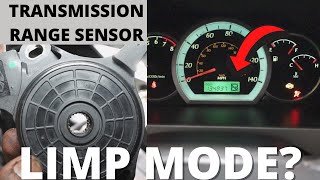
Technical Specifications
OEM Part Numbers: 42700-26700 42700-26500 42700-3B700 42700-3B100 42700-26000 42700-3B500
Also known as: Inhibitor Switch, Transmission Range Sensor (TRS), Park/Neutral Position Switch. Location: Mounted on the exterior of the automatic transaxle, connected to the gear selector linkage.
We Have This Part in Stock


The information in this article is provided for general reference and educational purposes only. Vehicle specifications, procedures, and part compatibility can vary by production date, trim level, and region. Always consult your vehicle's factory service manual and verify part numbers before purchasing or performing repairs. Safety-critical components such as airbags, seat belts, and braking systems should be installed by a qualified professional.
- Kia Forte: