

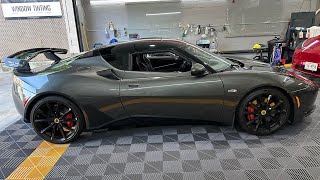
A Guide to Spark Plug Replacement for the 2010-2018 Lotus Evora
Keep your Evora's Toyota-sourced V6 running perfectly with the right spark plugs and knowledge.
- Only use high-quality Iridium spark plugs from NGK or Denso; these are the OEM suppliers and ensure proper performance.
- The replacement interval is 30,000 miles or 6 years, whichever occurs first.
- Accessing the three rear spark plugs requires removing an interior panel behind the seats.
- A flashing check engine light indicates a severe misfire; avoid driving to prevent catalytic converter damage.
Signs of Failing Spark Plugs in Your Evora
When your spark plugs begin to wear out, your Evora will give you several warning signs. The engine's computer is very sensitive to misfires, which is the most common symptom of a bad plug. You should not ignore these signs, as a persistent misfire can damage your catalytic converters, leading to a much more expensive repair.
- Rough Idle: The engine may shake or sound uneven when the car is stopped.
- Poor Acceleration: You might feel a hesitation or lack of power when you press the gas pedal.
- Reduced Fuel Economy: If you find yourself filling up the tank more often, worn plugs could be the cause.
- Engine Misfires: The car may stumble or jerk during acceleration. In severe cases, the Check Engine Light will flash. 🎬 Watch: How to quickly diagnose and fix an engine misfire
- Check Engine Light: A solid or flashing Check Engine Light is a common indicator, often with codes P0300-P0306 stored in the computer.
Choosing the Right Aftermarket Spark Plugs
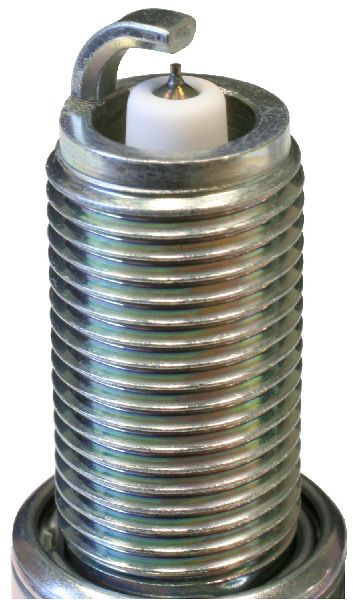
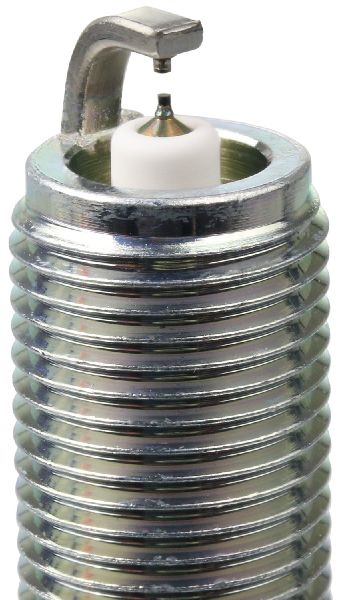
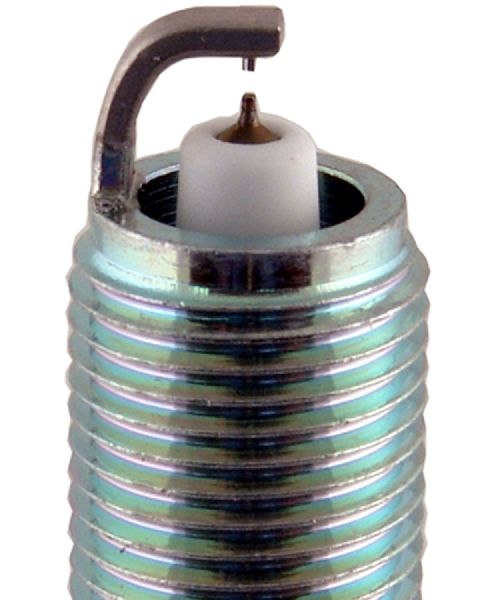
The Lotus Evora's 3.5L V6 engine was designed by Toyota to use long-life iridium spark plugs. Using a lower-quality plug will result in poor performance and a much shorter lifespan. When shopping for aftermarket plugs, it is best to stick with the brands that supply Toyota and Lotus from the factory.
Aftermarket Brand Quality for Lotus Evora
| Brand Tier | Brands | Our Assessment |
|---|---|---|
| Top Tier / OEM Equivalent | NGK, Denso | Both NGK and Denso are original equipment suppliers for Toyota and Lotus. Their iridium plugs, such as the NGK Iridium IX or Laser Iridium series, offer the best performance and durability for the Evora's engine. You can consider these a direct replacement for the factory plugs. |
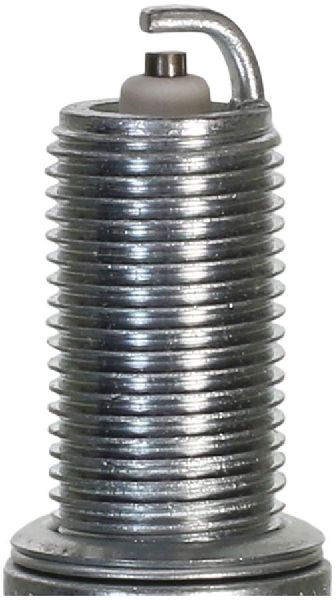
| Mid-Tier | Champion (Iridium) | While Champion is a well-known brand, they are not the original equipment for this engine. Their iridium plugs can be a viable option, but owner and mechanic feedback generally favors NGK or Denso for Japanese engines. |
| Economy Tier | Autolite, Standard Copper Plugs | We do not recommend using basic copper plugs or lower-end Autolite platinum plugs in your Evora. The 2GR-FE engine is designed for iridium plugs, and using copper plugs will lead to a very short service life and potential performance issues. |
Known Issues, Recalls, and Service Bulletins
The National Highway Traffic Safety Administration (NHTSA) has not issued any recalls or technical service bulletins (TSBs) for spark plug-related issues on the 2010-2018 Lotus Evora. Any existing recalls concern other components like oil lines, steering columns, or vehicle labels.
Pro Tip: Rear Spark Plug Access
Unlike many cars with this V6 engine, the Evora does not require removing the intake manifold to access the rear three spark plugs (Bank 1). Instead, Lotus designed an access panel located inside the car, behind the rear seats. You must remove some interior carpet and a metal plate to reach the rear ignition coils and spark plugs. 🎬 Watch: Step-by-step guide to changing spark plugs on an Evora While this avoids complex engine work, it can be surprising for those unfamiliar with the car.
Frequently Asked Questions (FAQ)
How often should I change the spark plugs on my Evora?
Lotus recommends replacing the spark plugs every 30,000 miles or 6 years, whichever comes first. This is more frequent than many other vehicles using iridium plugs, but it is the correct interval for maintaining the performance of your Evora.
Should I use OEM Lotus plugs or aftermarket?
OEM Lotus spark plugs are simply rebranded Denso or NGK plugs. You can get the exact same quality and performance by purchasing the equivalent iridium plug from NGK or Denso directly, often at a much lower cost than from a Lotus dealer.
🎬 See how to save money by using aftermarket iridium plugsWhat is the correct spark plug for my Evora?
For a naturally-aspirated (N/A) Evora, the original plug is a Denso FK20HR11. A common high-quality aftermarket replacement is the NGK LFR6AIX-11. For a supercharged Evora S, the factory specifies a colder NGK ILFR7B8 plug. An NGK LFR7AIX is a suitable aftermarket alternative.
Do I need to gap the new spark plugs?
High-quality iridium plugs from NGK and Denso typically come pre-gapped from the factory. While it's always a good practice to verify the gap with a feeler gauge, you should not attempt to re-gap an iridium plug, as the fine electrode can be easily damaged. The gap for the N/A Evora is 1.0-1.1mm, and for the supercharged model, it is 0.8mm.
Helpful Videos

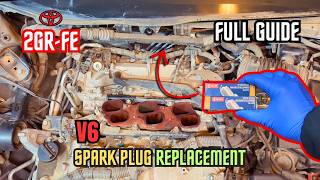
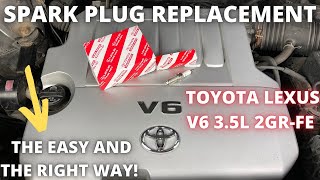

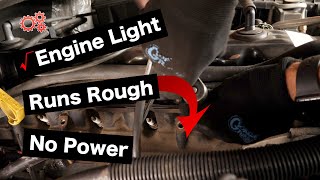
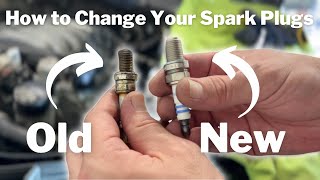
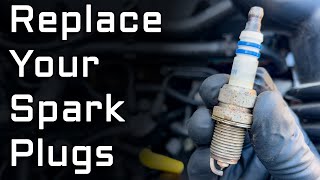
Technical Specifications
OEM Part Numbers: FK20HR11 (N/A) ILFR7B8 (Supercharged)
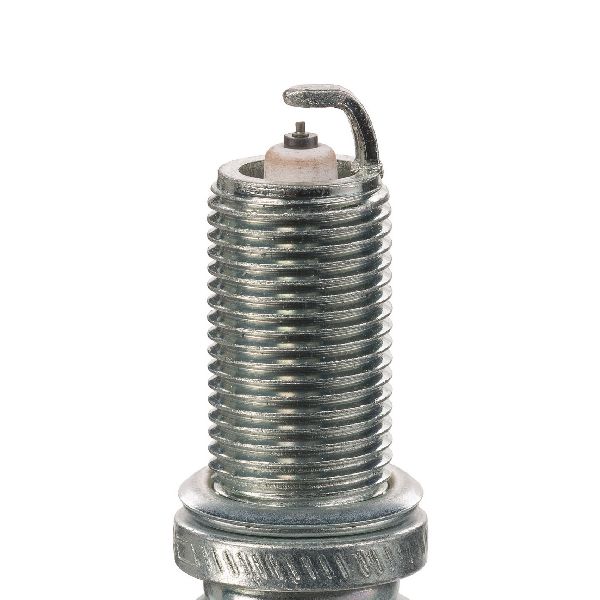
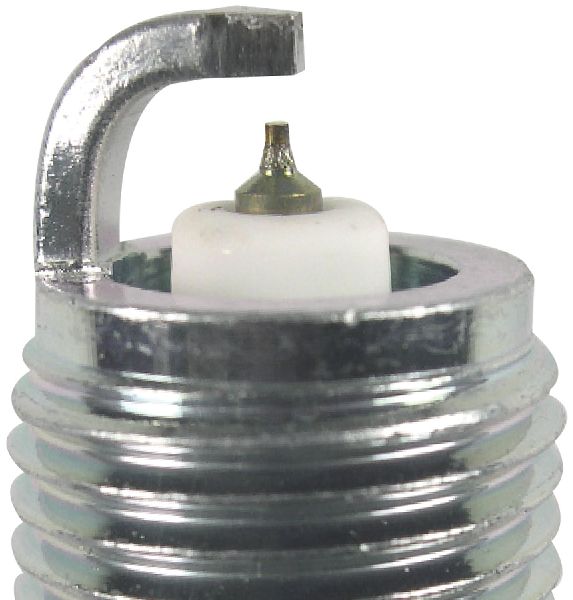
The Evora requires six (6) M14 thread, 26.5mm reach, 16mm (5/8") hex, resistor-type Iridium spark plugs. The naturally aspirated model uses a heat range 6 plug, while the supercharged model uses a colder heat range 7 plug.
We Have This Part in Stock

The information in this article is provided for general reference and educational purposes only. Vehicle specifications, procedures, and part compatibility can vary by production date, trim level, and region. Always consult your vehicle's factory service manual and verify part numbers before purchasing or performing repairs. Safety-critical components such as airbags, seat belts, and braking systems should be installed by a qualified professional.
- Lotus Evora: