

A Guide to the Engine VVT Solenoid for the 2010-2019 Buick LaCrosse
Fixing common engine problems like rough idle and poor mileage in your LaCrosse starts here.
- The number one cause of failure is low or dirty engine oil; always check your oil level first and perform an oil change with the replacement.
- For reliability, choose OEM (ACDelco) or premium aftermarket brands; budget brands like Dorman have a poor reputation for this specific part.
- The 2.4L engine has known oil consumption issues that can cause VVT problems, while 3.6L V6 VVT codes can sometimes indicate timing chain issues.
- Intake and exhaust solenoids are different parts; ensure you are ordering the correct part number for the specific location.
Understanding VVT Solenoid Failure in Your LaCrosse
If you're experiencing a Check Engine Light, rough idling, or a drop in fuel economy, a faulty VVT solenoid could be the culprit. These solenoids are essential for modern engine performance but are a common failure point, especially when engine oil maintenance is neglected. For the 2010-2019 Buick LaCrosse, this part is relatively simple to access and replace, making it a manageable job for a DIYer.
Symptoms of a Bad VVT Solenoid
A failing VVT solenoid will usually let you know there's a problem. Here are the most common signs:
- Check Engine Light: This is the most common symptom. Your car's computer will detect a problem with the camshaft timing and trigger a light. Codes like P0010, P0011, P0013, or P0014 are common.
- Rough Idle and Stalling: The engine may shake, run unevenly, or even stall at stoplights because the valve timing is incorrect at low speeds.
- Poor Fuel Economy: When the VVT system isn't working, your engine can't operate at its most efficient, leading to more trips to the gas station.
- Loss of Power: Your LaCrosse might feel sluggish and have trouble accelerating as the engine struggles to adjust its timing for performance.
- Engine Noise: You might hear a rattling or ticking sound from the top of the engine, which can be caused by the solenoid or related timing components not getting proper oil pressure.
Vehicle-Specific Known Issues
For 2.4L Ecotec Engines (2010-2016 models): These engines are known for potential excessive oil consumption. Since VVT solenoids rely on clean oil at the proper level, this oil consumption issue can directly lead to premature solenoid failure. Always check your oil level first if you get a VVT-related code.
For 3.6L V6 Engines (All years): GM issued a Technical Service Bulletin (TSB 08-06-01-011K) for VVT-related codes (P0011, P0014, P0021, P0024) on some earlier models. This TSB suggests that these codes can sometimes point to more significant timing chain wear issues. While the solenoid is often the fix, be aware that it can also be a symptom of a larger problem if the code returns after replacement.
Choosing the Right Aftermarket VVT Solenoid
With many brands available, picking the right one is important. Not all aftermarket parts are created equal, especially for sensitive electronic components like solenoids.
- Tier 1 - OEM / Premium Aftermarket: ACDelco GM Original Equipment is the manufacturer's brand and the safest choice for fit and longevity. Brands like INA and Standard Ignition (SMP) are also well-regarded in the industry and often considered a solid alternative to OEM.
- Tier 2 - Reputable Aftermarket: Brands like Gates, Spectra, and Walker Products offer a balance of price and quality. They are generally reliable for most vehicle owners.
- Tier 3 - Budget-Friendly (Use with Caution): Brands like Dorman are widely available and often have the lowest price. However, for electronic parts like VVT solenoids, they have a reputation for higher failure rates. Many professional mechanics and experienced DIYers recommend avoiding them for this specific part to prevent having to do the job a second time.
Intake vs. Exhaust Solenoids
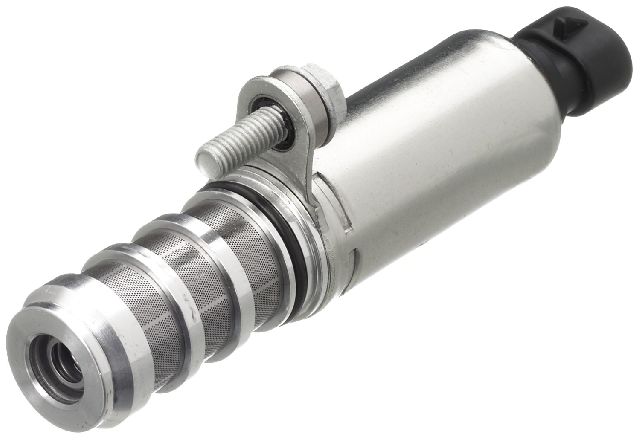
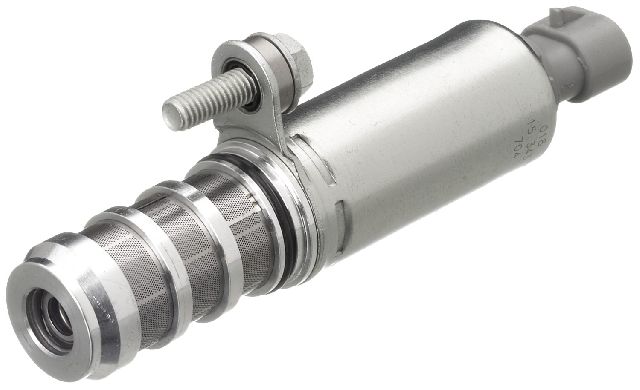
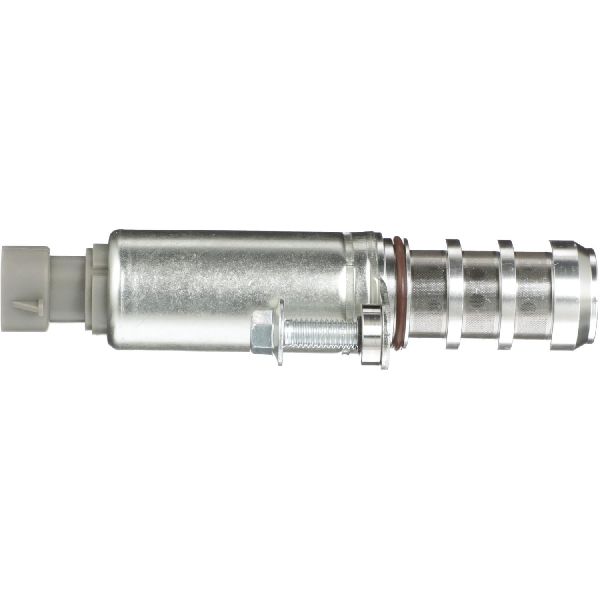
Your LaCrosse has separate solenoids for the intake and exhaust camshafts. On the 2.4L engine, there are two solenoids. On the 3.6L V6, there are four. These parts are often NOT interchangeable. They may have different colored connectors (e.g., gray and black) to help tell them apart. Always verify the part number and position (Intake/Exhaust, Bank 1/Bank 2) before ordering.
Estimated Replacement Costs
The cost to replace a VVT solenoid can vary depending on your engine and whether you do it yourself.
| Item | Estimated Cost |
|---|---|
| New OEM Part (per solenoid) | $45 - $85 |
| New Aftermarket Part (per solenoid) | $28 - $91 |
| Shop Labor Cost | $100 - $300 |
| Total Professional Replacement (one solenoid) | $150 - $385 |
Frequently Asked Questions
Can I drive with a bad VVT solenoid?
You can, but it's not recommended for long. Your engine will perform poorly, use more fuel, and you risk causing damage to other components like the timing chain or camshaft phasers over time. It's best to address the issue promptly.
Is this a difficult part to replace myself?
For most owners, this is a very DIY-friendly repair. The solenoids are located on the top of the engine and are typically held in by a single 10mm bolt. On the 2.4L engine, they are directly under the plastic engine cover. On the 3.6L V6, the front two (Bank 2) are easy to access, while the rear two (Bank 1) are tighter but still manageable for most home mechanics.
Do I need to change my oil when I replace the solenoid?
It is highly recommended. The most common reason for VVT solenoid failure is dirty, sludgy, or low engine oil. Replacing the solenoid without changing the oil means you are putting a clean part into a dirty environment, which could cause the new part to fail quickly. Always use the manufacturer's recommended oil viscosity.
Should I replace all the solenoids at once?
If one solenoid has failed due to age or mileage, the others are likely not far behind. Since the parts are relatively inexpensive and the labor is straightforward, it is often cost-effective and good preventative maintenance to replace them all at the same time, especially on the 3.6L V6 where you have four of them.
Technical Specifications
OEM Part Numbers: 12679099 (2.4L Intake) 12679100 (2.4L Exhaust) 12655420 (2.4L Intake) 12655421 (2.4L Exhaust) 12636175 (3.6L V6)
Each solenoid is specific to its position (intake or exhaust) and engine bank. The 2.4L I4 engine uses two solenoids total. The 3.6L V6 engine uses four solenoids total (one intake and one exhaust for each of the two banks).
We Have This Part in Stock


The information in this article is provided for general reference and educational purposes only. Vehicle specifications, procedures, and part compatibility can vary by production date, trim level, and region. Always consult your vehicle's factory service manual and verify part numbers before purchasing or performing repairs. Safety-critical components such as airbags, seat belts, and braking systems should be installed by a qualified professional.
- Buick LaCrosse: