

A Mechanic's Guide to the 2010-2019 Chevrolet Cruze Disc Brake Pad Set
Stop the noise and confusion when choosing the right new aftermarket brake pads for your Chevy Cruze.
- For most Cruze owners, quality aftermarket ceramic pads from brands like Akebono, Bosch, or Powerstop offer the best mix of performance and value.
- Always consider replacing your brake rotors at the same time as your pads for the best results.
- Be aware of safety recalls for 2011-2012 and 2018-2019 models that can cause a hard or soft brake pedal.
- Common signs of failure are squealing noises (time to plan replacement) and grinding noises (replace immediately).
Is Your Cruze Telling You It Needs New Brakes?


Your car will give you clear signs when the brake pads are getting low. Ignoring them can lead to more expensive repairs. Listen and feel for these common symptoms.
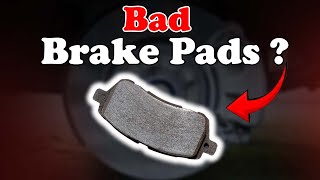
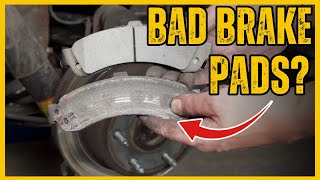
- Squealing or Screeching: Most brake pads have a small metal tab called a wear indicator. When the pad material gets too thin, this tab scrapes against the rotor, making a high-pitched noise when you brake. This is the first warning sign.
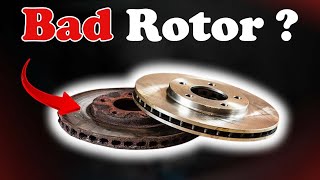
- Grinding Noises: If you hear a deep, harsh grinding sound, it means the brake pad material is completely gone. You now have metal-on-metal contact between the caliper and the rotor, which can quickly destroy the rotor. This is a serious issue that needs immediate attention.
- Spongy or Soft Brake Pedal: If your brake pedal feels softer than usual or goes closer to the floor, it could indicate a problem in the brake system. For 2018-2019 models, this is a known symptom of a recall.
- Vibrating Steering Wheel: If your steering wheel or brake pedal shakes when you apply the brakes, your brake rotors may be warped. This often happens alongside worn-out pads.
Known Issues: Recalls for the Chevy Cruze Brake System
There are two important safety recalls to be aware of that affect the braking system, though not the pads themselves.
For 2018-2019 Models (NHTSA Recall 18V576000): Some vehicles were built with rear brake caliper pistons that can release gas into the brake fluid. This creates a soft, spongy brake pedal and reduces stopping power. The fix is a free brake bleed service at a GM dealer.
For 2011-2012 Models (with 1.4L Turbo & Auto Trans): These models were recalled for a potential loss of power brake assist. This makes the brake pedal extremely hard to press, increasing stopping distance. This was caused by a faulty microswitch.
Choosing the Right Aftermarket Brake Pads for Your Cruze

You don't need to buy parts from the dealer to get good quality. Many aftermarket brands offer excellent performance, often with less dust and noise than original parts. Here’s how to choose based on your needs.
Tier 1: Daily Driver & OEM Quality
These brands are perfect for most Cruze owners who use their car for commuting and daily errands. They offer a great balance of performance, low noise, and long life. Many are original equipment (OEM) suppliers to car manufacturers.
- ACDelco Gold (Professional): This is GM's own premium aftermarket line. You can trust these to perform like the original pads your car came with.
- Akebono ProACT: A highly recommended brand among Cruze owners. They are known for being extremely quiet, producing very little dust, and providing smooth stopping power. Akebono is an OEM supplier, and some Gen 2 Cruze models may have come with their pads from the factory.
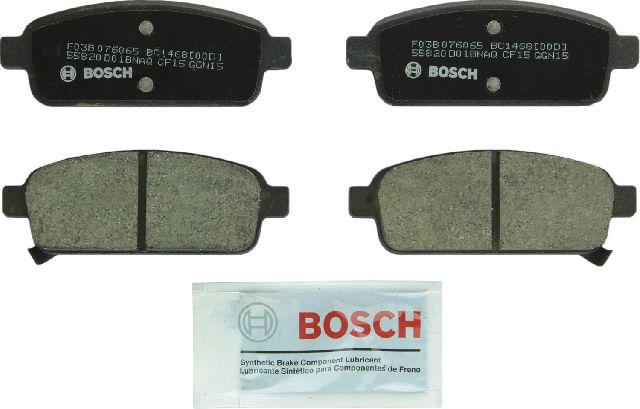
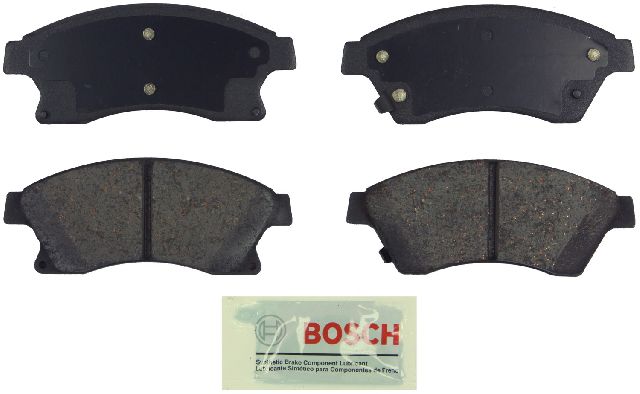
- Bosch QuietCast: Bosch is another major OEM supplier. Their QuietCast pads are a popular and reliable choice that provides excellent, quiet performance for a good price.
- Wagner OEx / ThermoQuiet: Wagner is a well-known brand offering pads designed for quiet operation and consistent stopping power, making them a solid choice for a daily-driven Cruze.
Tier 2: Performance Upgrade
If you want a bit more bite from your brakes or simply enjoy a more responsive pedal feel, these brands are a popular step up. They are often sold in convenient kits with matching rotors.
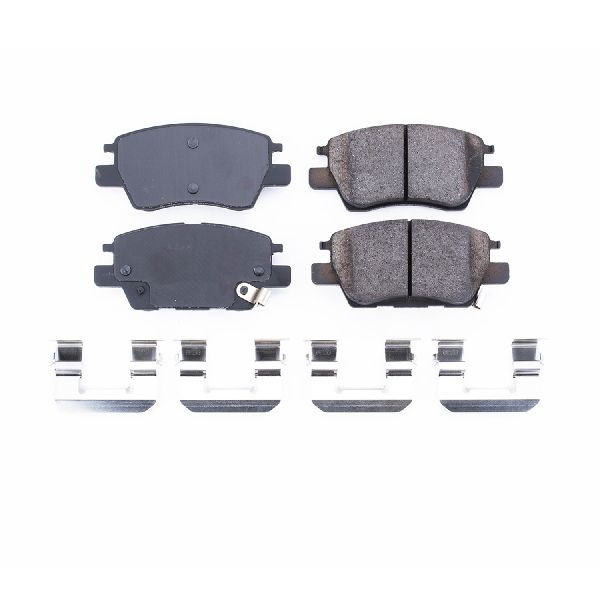
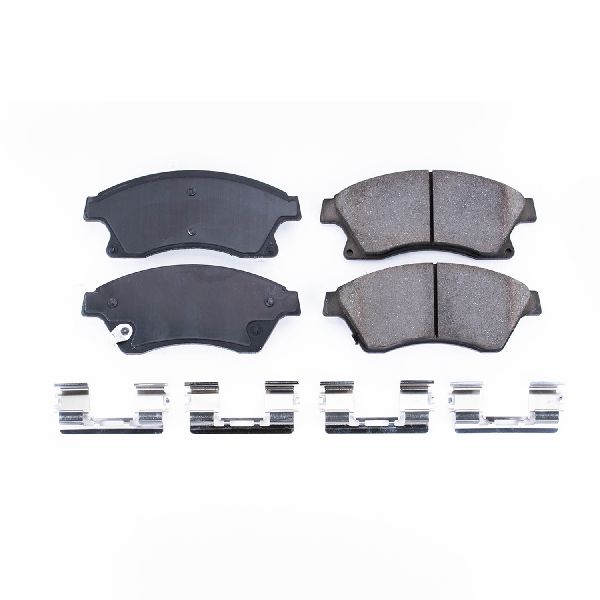
- Powerstop Z23 Evolution / Daily Driver Kits: Very popular in the Cruze community. Owners frequently praise their complete kits (which include pads and rotors) for easy installation, low dust, and a noticeable improvement in stopping power over stock pads.
- Hawk Performance: A well-respected brand for drivers who want a significant upgrade in braking performance. Their pads offer more stopping power but may create more dust and noise than typical ceramic pads.
- EBC Brakes: Offers different compounds from daily driver (Ultimax) to high-performance (Yellowstuff). A good choice if you want to tailor your brake performance.
Tier 3: Economy Options
These pads will stop your car safely and meet basic requirements. They are the most affordable but may not last as long or be as quiet as higher-tier options.
- ACDelco Silver (Advantage): GM's budget-friendly line offers a quality part for a lower price.
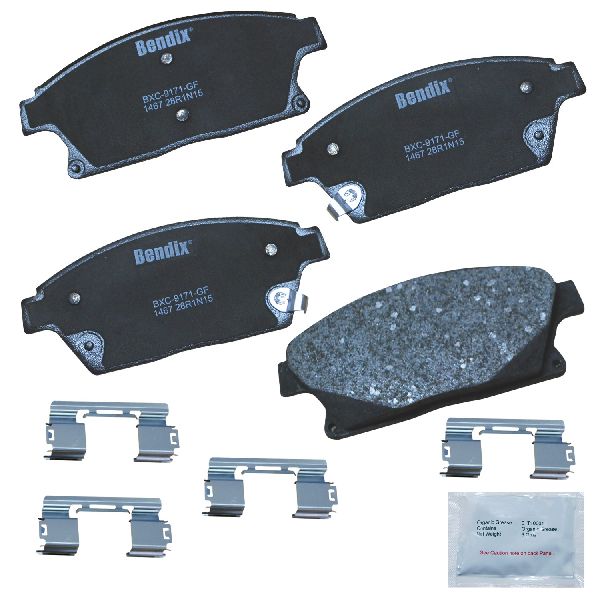
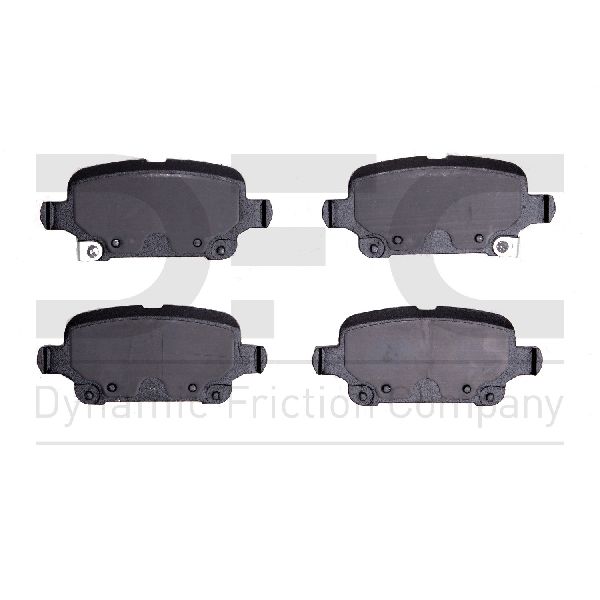
- Dynamic Friction, Centric Posi Quiet, Raybestos: These brands provide reliable, standard replacement pads that are a good step up from generic parts store brands.
Pro Tip: Replace Rotors at the Same Time
While you can sometimes resurface brake rotors, it is almost always better to replace them when you install new pads. New, flat rotors ensure your new pads wear evenly and provide the best possible performance. Given the low cost of aftermarket rotors, it's cheap insurance for a proper brake job. Many owners recommend pairing aftermarket pads with Centric rotors.
Cost of New Brake Pads for a 2010-2019 Chevy Cruze

| Part Type | Estimated Cost |
|---|---|
| New Aftermarket Brake Pad Set (Front or Rear) | $34 - $101 |
| New OEM (ACDelco Gold) Brake Pad Set | $60 - $120 |
| Shop Labor (Front or Rear Pad Replacement) | $120 - $200 |
Frequently Asked Questions
Can I replace just the brake pads myself?
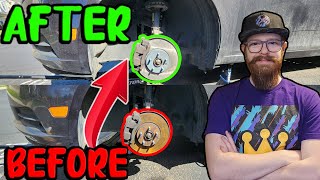
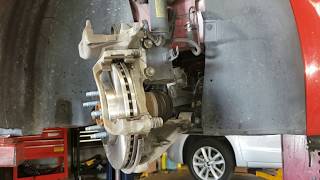
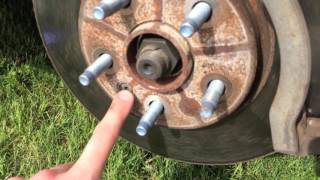
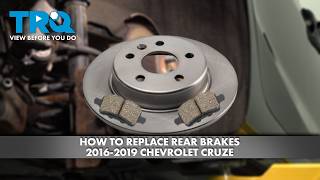
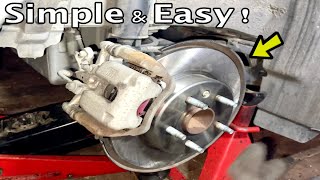
Yes, replacing the brake pads and rotors on a Chevy Cruze is a common DIY job. It requires basic hand tools like a socket set, a T30 Torx bit, a caliper compression tool, and jack stands for safety. The process is well-documented in online videos for both first-generation (2010-2015) and second-generation (2016-2019) models. Expect it to take 1-2 hours per axle.
Should I choose ceramic or semi-metallic pads?
For a daily driver like the Cruze, ceramic pads are the best choice for most people. They are quiet, produce less brake dust to keep your wheels clean, and offer great stopping power for normal driving. Semi-metallic pads can offer better performance in extreme heat but are often noisier and dustier.
Do I need to replace front and rear brakes at the same time?
No. The front brakes do most of the work and typically wear out twice as fast as the rear brakes. You only need to replace the pads on the axle that is worn out. Your mechanic will measure the pad thickness on all four wheels during an inspection.
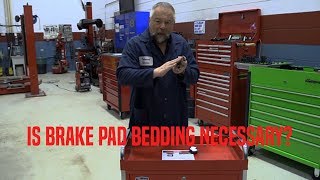
What is the 'break-in' procedure for new pads?
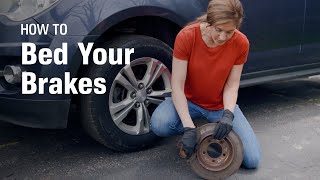
Most manufacturers, like Powerstop, have a specific procedure to 'bed-in' new pads and rotors. This usually involves a series of hard stops from a moderate speed (e.g., 40 mph down to 10 mph) without coming to a complete stop, followed by a cool-down period. This process deposits an even layer of friction material onto the rotor for smooth, quiet braking. Always follow the instructions included with your new pads.
Helpful Videos
Technical Specifications
The 2010-2019 Chevrolet Cruze uses disc brakes on the front axle. Most models also use disc brakes on the rear, though some base models may have drum brakes. Always verify your specific vehicle's setup before ordering parts. Pad material is typically ceramic for a balance of quiet operation and low dust.
We Have This Part in Stock

The information in this article is provided for general reference and educational purposes only. Vehicle specifications, procedures, and part compatibility can vary by production date, trim level, and region. Always consult your vehicle's factory service manual and verify part numbers before purchasing or performing repairs. Safety-critical components such as airbags, seat belts, and braking systems should be installed by a qualified professional.
- Chevrolet Cruze:
- 🎬 Helpful Videos
- 🛍️ Shop This Part
- Is Your Cruze Telling You It Needs New Brakes?
- Known Issues: Recalls for the Chevy Cruze Brake System
- Choosing the Right Aftermarket Brake Pads for Your Cruze
- Tier 1: Daily Driver & OEM Quality
- Tier 2: Performance Upgrade
- Tier 3: Economy Options
- Pro Tip: Replace Rotors at the Same Time
- Cost of New Brake Pads for a 2010-2019 Chevy Cruze
- Frequently Asked Questions
- 🎟️ Get 5% Off