

Chevrolet Cruze Engine Coolant Temperature Sensor: A Guide for 2010-2019 Models
Understanding the common failures and replacement options for the temperature sensor in your 2010-2019 Chevy Cruze.
- The 'AC Off Due to High Engine Temp' message on a cold engine is a classic sign of ECT sensor failure on a Cruze.
- This is a common failure part, but it is inexpensive and simple to replace yourself with basic tools.
- There is no specific recall for the sensor, but its failure symptoms can mimic other cooling system issues.
- For best results, use an OEM supplier brand like ACDelco or Delphi to ensure accurate readings.
Is Your Cruze ECT Sensor Failing?

A bad engine coolant temperature sensor in a 2010-2019 Chevrolet Cruze often causes very specific and confusing symptoms. Because the sensor's reading is vital, the car's computer will activate fail-safe measures when it gets a bad signal. This can make you think the car is overheating when it is not.
Common Symptoms for the Chevy Cruze:
- "AC Off Due to High Engine Temp" Message: This is the most common sign for Cruze owners. This message may appear on your dashboard right after starting the car, even when the engine is completely cold.
- Cooling Fans Run Constantly: The cooling fans may switch on to full speed and stay on the entire time the car is running. This is the computer's way of protecting the engine, assuming the worst-case scenario of overheating.
- Check Engine Light: A faulty ECT sensor will almost always trigger the check engine light. Common trouble codes include P0117, P0118, P0119, and P0128. 🎬 Watch: Diagnosing engine light codes P0118 and P0119
- Incorrect Temperature Gauge: The needle on your dash might shoot straight to "Hot" moments after a cold start, or it might not move from "Cold" at all.
- Poor Fuel Economy: If the sensor incorrectly tells the computer the engine is always cold, the computer will enrich the fuel mixture, causing you to use more gas.
Choosing the Right Aftermarket Sensor

When replacing the ECT sensor, you have several options. For a critical sensor like this, brand quality matters. Inaccurate readings, even from a new sensor, can cause persistent performance issues.
- OEM Supplier Brands (ACDelco, Delphi): These brands are original equipment suppliers for General Motors. Choosing an ACDelco or Delphi sensor is the safest bet for fit, function, and accuracy, as they are engineered to the original factory specifications. Forum users often consider them to be the same quality part, sometimes even the same part in a different box.
- Quality Aftermarket Brands (NGK, Standard Ignition, Hella): Brands like these have a long history of producing reliable electronic components. They are a solid choice if an OEM supplier part is not available and often provide similar performance at a good price.
- Standard/Budget Brands: Other brands offer a low-cost alternative. While they will fit and function, their long-term reliability and the precision of their temperature readings can be less consistent. Given the low price of even high-quality sensors, saving a few dollars here may not be worth the risk of poor performance or another replacement job down the road.
Known Issues, Recalls, and Bulletins
There are no active recalls from the NHTSA specifically for the engine coolant temperature sensor on the 2010-2019 Chevrolet Cruze. However, this is known to be a common failure point for these vehicles. There is a GM Special Coverage Adjustment (14371) for leaking water pumps on 2011-2014 models with the 1.4L engine, which can cause real overheating and trigger similar dashboard warnings. It is important to diagnose the problem correctly to determine if you have a faulty sensor or an actual coolant leak.
Cost of Replacing a Cruze ECT Sensor
| Part Type | Price Range |
|---|---|
| New Aftermarket Sensor | $12.32 - $48.93 |
| New OEM Sensor | $30 - $60 |
| Shop Labor | $80 - $150 |
Frequently Asked Questions

Where is the ECT sensor located on my Cruze?
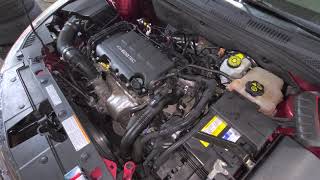
On both the 1.4L and 1.8L engines found in the 2010-2019 Cruze, the sensor is located on the driver's side of the engine, inserted into the thermostat housing.
🎬 Watch: Locating and replacing the sensor on 1.8L enginesCan I replace the Cruze ECT sensor myself?
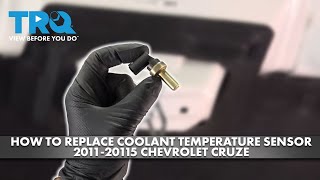
Yes, this is a very DIY-friendly job for someone with basic tools. The process involves removing a clip, swapping the sensor, and re-installing the clip. 🎬 See this step-by-step sensor replacement walkthrough You must let the engine cool down completely before you begin, as opening the cooling system when hot is dangerous. Some coolant will spill, so have a catch pan ready.
What happens if I don't replace a bad ECT sensor?
Driving with a bad sensor can lead to poor fuel economy, failed emissions tests, and potential long-term carbon buildup from a rich fuel mixture. While the computer's fail-safe mode is designed to protect the engine, you are driving without an accurate sense of your engine's temperature, which is risky.
Do I need to drain all the coolant to replace the sensor?
No, you do not need to drain the entire system. However, the sensor is below the coolant level in the reservoir, so a small amount of coolant will leak out when you remove the old sensor. Being quick with the swap can minimize the loss. You will need to top off the coolant afterward and check for air in the system.
Helpful Videos


Technical Specifications
OEM Part Numbers: 55591401 213-4688
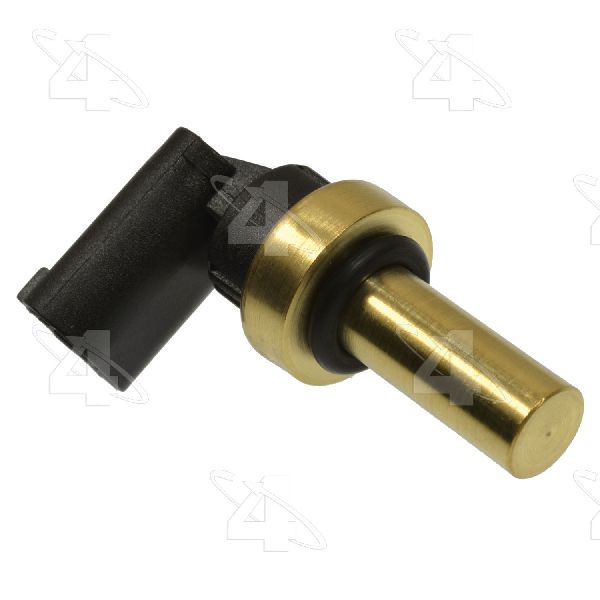
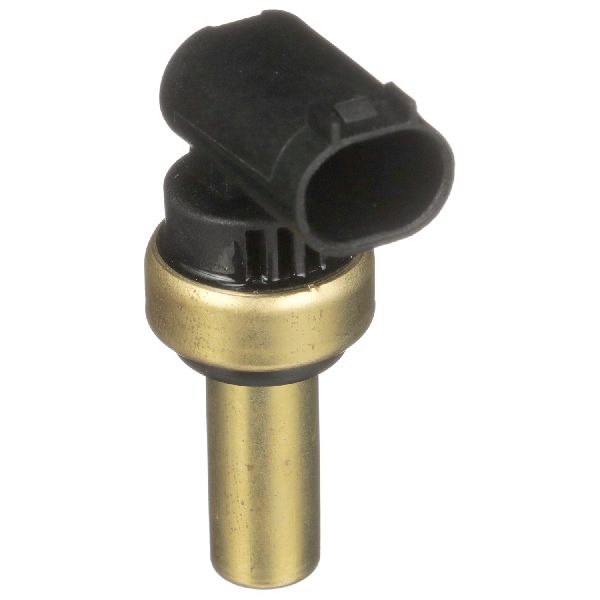
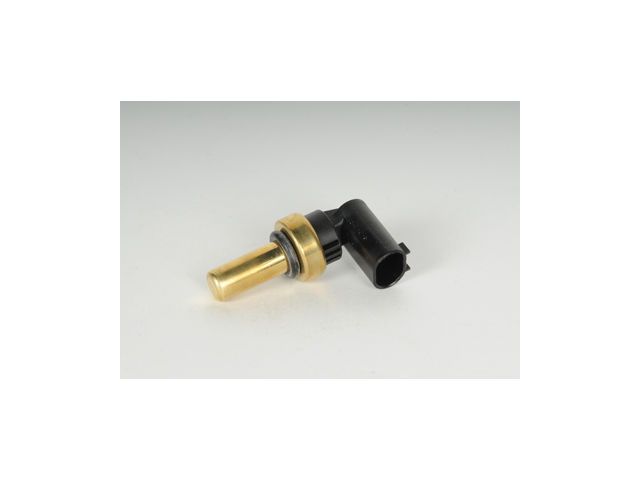
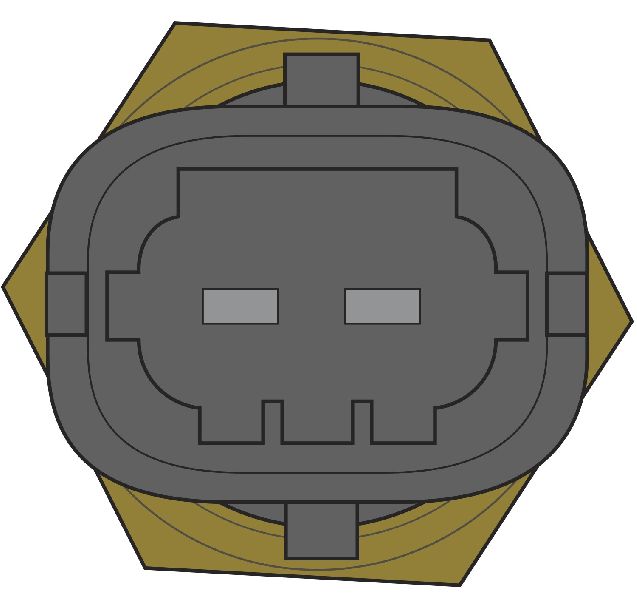
The sensor is a thermistor type held in place by a retaining clip. It is located on the thermostat housing on the driver's side of the engine for both 1.4L and 1.8L models.
We Have This Part in Stock


The information in this article is provided for general reference and educational purposes only. Vehicle specifications, procedures, and part compatibility can vary by production date, trim level, and region. Always consult your vehicle's factory service manual and verify part numbers before purchasing or performing repairs. Safety-critical components such as airbags, seat belts, and braking systems should be installed by a qualified professional.
- Chevrolet Cruze: