

Guide to the 2010-2019 Chevrolet Cruze Engine VVT Solenoid
If your Cruze has a rough idle, poor fuel economy, or a check engine light, a failing VVT solenoid could be the culprit.
- A bad VVT solenoid in a Cruze causes a check engine light, rough idle, poor MPG, and power loss.
- The most common cause of failure is dirty engine oil; use full synthetic 5W-30 and change it regularly.
- Replacement is an easy, 30-minute DIY job with basic tools.
- Your Cruze has two solenoids (intake and exhaust); it's wise to replace them as a pair.
Is My VVT Solenoid Failing?

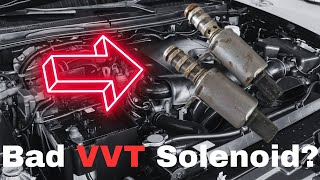
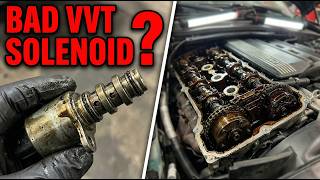
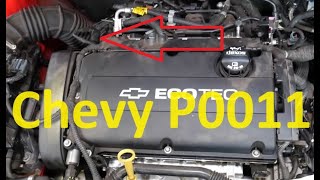
A bad VVT solenoid in a Chevrolet Cruze usually makes itself known through several distinct symptoms. 🎬 Watch a breakdown of common VVT solenoid failure signs. The most common is the check engine light, often accompanied by specific trouble codes. 🎬 Learn how to fix the P0011 camshaft timing code. You may also notice your engine idling roughly, shaking, or even stalling when you come to a stop. Other signs include a noticeable drop in fuel economy, a feeling of sluggishness or loss of power when accelerating, and strange rattling or ticking noises from the engine. These issues occur because the solenoid is no longer able to correctly time the engine's valves, throwing off the delicate balance of air, fuel, and combustion.
The Role of Dirty Oil
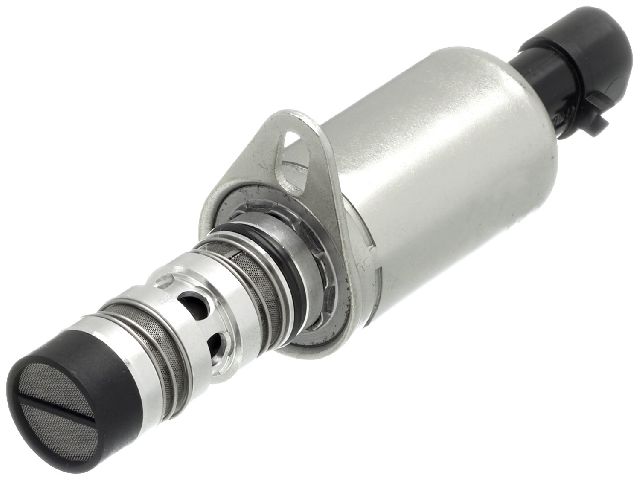
The most common reason for VVT solenoid failure is dirty or low engine oil. The solenoids have fine mesh screens that can get clogged with sludge and debris, preventing them from working correctly. Regular oil changes with the correct full synthetic 5W-30 oil are the best way to prevent this problem.
Choosing the Right Aftermarket Solenoid

When replacing a VVT solenoid on your Cruze, you have several options. Your Cruze has two solenoids—one for the intake camshaft and one for the exhaust—and it's often a good idea to replace them in pairs as they tend to wear at similar rates.
- Premium Brands (ACDelco GM Original Equipment): ACDelco is GM's own parts brand, and their "GM Original Equipment" line is the same part that was installed at the factory. This is your best bet for guaranteed fit, function, and durability. ACDelco also offers a more budget-friendly "Gold" (formerly "Professional") line which is a high-quality aftermarket alternative.
- Quality Aftermarket (Dorman, Standard Ignition, NGK): Brands like Dorman, Standard Ignition (SMP), and NGK are well-known in the aftermarket. Dorman parts are engineered to match the original's function and are extensively vehicle-tested. Standard Ignition offers premium lines like their "Blue Streak" products. These brands offer a good balance of quality and value.
- Economy Options: Many other brands offer direct-fit replacements at a lower cost. While budget-friendly, quality and longevity can vary. For a critical part like a VVT solenoid, sticking with a reputable brand is often worth the small extra cost to avoid doing the job twice.
A Note on Solenoid Screens
Some owners and mechanics on forums have noted a GM service bulletin suggesting the small filter screens on the solenoids can be removed after the engine's initial break-in period to improve oil flow. However, if you are installing a new part, it is best to install it as it comes out of the box. The screens are there to protect the solenoid's internal passages from debris.
Known Issues, Recalls, and Service Bulletins
While there are no specific recalls for the VVT solenoids on the 2010-2019 Cruze, there are some related service campaigns. Some 2011-2013 models had an emissions recall requiring an ECM reprogram, and some 2015-2016 models had a special coverage program for a faulty PCV valve in the camshaft cover, which could also cause a rough idle and a P0171 code. There are no other widespread factory defects noted for the VVT solenoids themselves.
| Part/Service | Estimated Cost |
|---|---|
| New Aftermarket VVT Solenoid (Single) | $29.95 - $127.94 |
| Shop Labor | $52 - $140 |
| Total Professional Replacement (Single) | $82 - $268 |
Frequently Asked Questions

How many VVT solenoids does my Chevy Cruze have?
Your Chevrolet Cruze engine (both the 1.4L and 1.8L) has two VVT solenoids. One is for the intake camshaft and the other is for the exhaust camshaft. They are typically located on the top front of the engine.
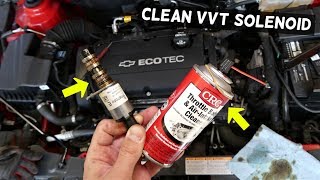
Can I just clean my VVT solenoid instead of replacing it? 🎬 See how to clean your Cruze VVT solenoid screens.
Sometimes, cleaning the solenoid's screens with a parts cleaner can temporarily restore function if they are clogged with oil sludge. However, if the solenoid is failing electrically or is mechanically stuck, cleaning will not fix the problem and replacement is necessary. Given the low cost of the part and the importance of its function, replacement is the most reliable solution.
Is this a difficult repair to do myself?
No, this is a very DIY-friendly repair. The solenoids are easily accessible on top of the engine. The job typically involves removing a plastic engine cover, disconnecting an electrical connector, removing a single bolt, and then pulling the old solenoid out. The entire process for one solenoid can take less than 30 minutes.
What happens if I don't replace a bad VVT solenoid?
Ignoring a failing VVT solenoid can lead to more serious problems. You will continue to experience poor fuel economy, rough idling, and stalling. Over time, the incorrect engine timing can contribute to increased engine wear and potentially more expensive damage.
Helpful Videos

Technical Specifications
OEM Part Numbers: 55567050 12655420 12628347 12679100 12662736
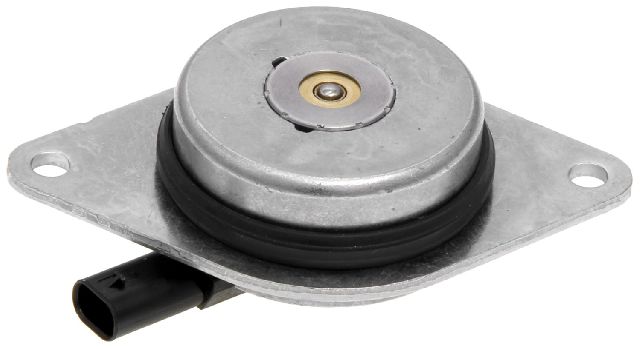
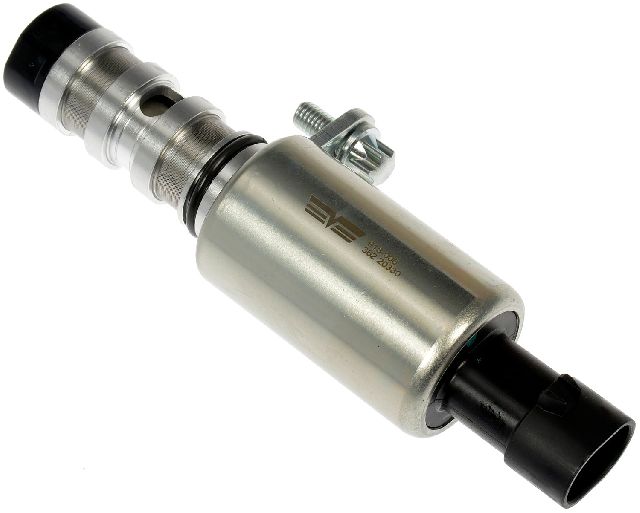
The Chevrolet Cruze uses two VVT solenoids, one for the intake camshaft and one for the exhaust. They are specific to their position and are not interchangeable. The solenoids are held in place by a single bolt (typically a 10mm or T30 Torx head) and sealed with an O-ring.
We Have This Part in Stock


The information in this article is provided for general reference and educational purposes only. Vehicle specifications, procedures, and part compatibility can vary by production date, trim level, and region. Always consult your vehicle's factory service manual and verify part numbers before purchasing or performing repairs. Safety-critical components such as airbags, seat belts, and braking systems should be installed by a qualified professional.
- Chevrolet Cruze: