

A Guide to Replacing the Oxygen Sensor on Your 2010-2019 Kia Forte
Understand the symptoms of a bad O2 sensor and learn how to choose the right aftermarket replacement for your Forte.
- A bad O2 sensor will hurt your fuel economy and can damage your expensive catalytic converter over time.
- For the critical upstream sensor, choose a top-tier aftermarket brand like Denso, NGK/NTK, or Mando for best results.
- The 2010-2013 and 2014-2019 Forte models use different engines and require different sensors; always verify the part fitment for your specific year.
- This is a manageable DIY repair with a special O2 sensor socket, which can save you over $100 in labor costs.
Understanding Oxygen Sensor Failure in Your Forte

The oxygen sensors in your 2010-2019 Kia Forte are wear-and-tear items. They typically last between 60,000 and 100,000 miles but can fail sooner. The main causes of failure are contamination from engine oil or coolant leaks, or damage from old age and constant exposure to hot exhaust gases. When a sensor fails, it can no longer send accurate information to the engine computer, leading to noticeable problems.
Symptoms of a Bad Oxygen Sensor

A failing oxygen sensor will almost always trigger the Check Engine Light on your dashboard. Common trouble codes associated with O2 sensor failure on the Kia Forte include P0030 (heater circuit failure), P0133 (slow sensor response), and P0420 (catalytic converter inefficiency, which can be caused by a bad sensor). Beyond the light, you might notice:
- Poor Fuel Economy: Your car's computer may inject too much fuel, causing you to fill up more often.
- Rough Engine Performance: You may experience a rough idle, engine hesitation, misfires, or a general loss of power.
- Rotten Egg Smell: An overly rich fuel mixture can lead to a sulfur-like smell from the exhaust.
- Failed Emissions Test: An incorrect air-fuel ratio will lead to higher-than-normal emissions.
Don't Ignore a Failing Sensor
Continuing to drive with a bad upstream oxygen sensor can cause long-term damage. The engine may run too rich, dumping unburned fuel into the exhaust. This can overheat and destroy the catalytic converter, a much more expensive part to replace.
OEM vs. Aftermarket Oxygen Sensors

When replacing an O2 sensor, you have the choice between Original Equipment Manufacturer (OEM) parts from Kia and aftermarket parts from other brands. For a critical part like the upstream O2 sensor, quality matters. Aftermarket sensors from reputable brands can offer OEM-level performance at a lower cost. However, owners and mechanics often report that using the same brand as the factory original (OEM) provides the best results, especially for Asian vehicles like Kia. Cheaper, off-brand sensors have a reputation for failing early or not working correctly out of the box.
Choosing the Right Aftermarket Brand
Not all aftermarket brands are created equal. Here’s a breakdown of quality tiers for your Kia Forte:
- Top Tier (OEM Quality): Denso and NGK (also sold as NTK) are widely considered to be the original equipment suppliers for many Korean and Japanese cars. Choosing one of these brands is the safest bet for a direct-fit, long-lasting replacement. Mando is also an OE supplier for Hyundai/Kia and is a strong choice.
- Good Tier: Bosch is a highly respected brand that invented the modern O2 sensor. They offer high-quality, reliable sensors that are a solid alternative to OEM.
- Economy Tier: Brands like DriveWire, Walker Products, and various store brands are budget-friendly options. While they can work, their performance and lifespan can be inconsistent. They are best used for the less critical downstream sensor if budget is the primary concern.
A Note on Forte Generations
The 2010-2013 Forte (first generation) and the 2014-2019 Forte (second generation) use different engines. The 2.0L/2.4L engines in the first gen and the 1.8L/2.0L engines in the second gen require different oxygen sensors. Always confirm the part fits your exact year and engine before purchasing.
Oxygen Sensor Replacement Costs for Kia Forte
The cost can vary depending on the sensor's position (upstream is often more expensive) and the brand you choose.
| Part/Service | Estimated Cost |
|---|---|
| New OEM Part | $150 - $295 |
| New Aftermarket Part | $48 - $218 |
| Shop Labor | $76 - $111 |
| Total Professional Replacement | $225 - $406 (Aftermarket) / $371 - $432 (OEM) |
Frequently Asked Questions

Where are the oxygen sensors located on my Kia Forte?
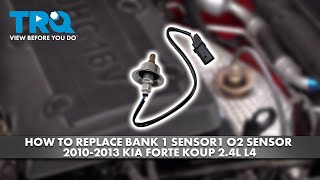
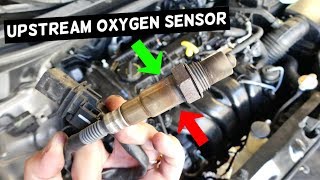
Your Forte has two oxygen sensors on its single exhaust bank. The upstream sensor (Bank 1, Sensor 1) is on the exhaust manifold at the back of the engine, before the catalytic converter. The downstream sensor (Bank 1, Sensor 2) is located after the catalytic converter, further down the exhaust system.
Can I replace an oxygen sensor myself?
Yes, this is a DIY-friendly job for many home mechanics. The main tool you'll need is a special O2 sensor socket, which has a slot for the wire. The sensor can sometimes be stuck, requiring penetrating oil and some force to remove. The job typically takes about 30-60 minutes.
Should I replace both sensors at the same time?
It's often recommended. Oxygen sensors have a similar lifespan, so if one has failed due to age, the other may not be far behind. Replacing them in pairs can save you from a repeat repair in the near future.
Are there any recalls for the Kia Forte oxygen sensor?
No, as of early 2026, there are no specific recalls or technical service bulletins (TSBs) from Kia or the NHTSA for widespread oxygen sensor failure on the 2010-2019 Kia Forte.
Helpful Videos
Technical Specifications
OEM Part Numbers: 39210-2G370 39210-2G100 39210-2E510 39210-2E101 39210-2ECC2
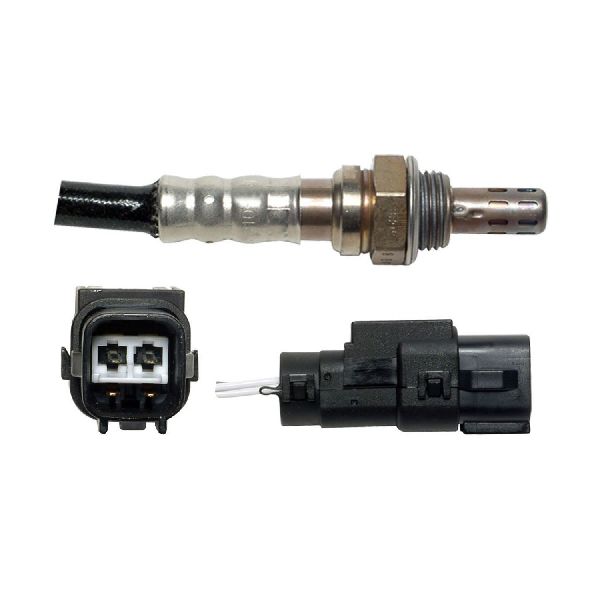
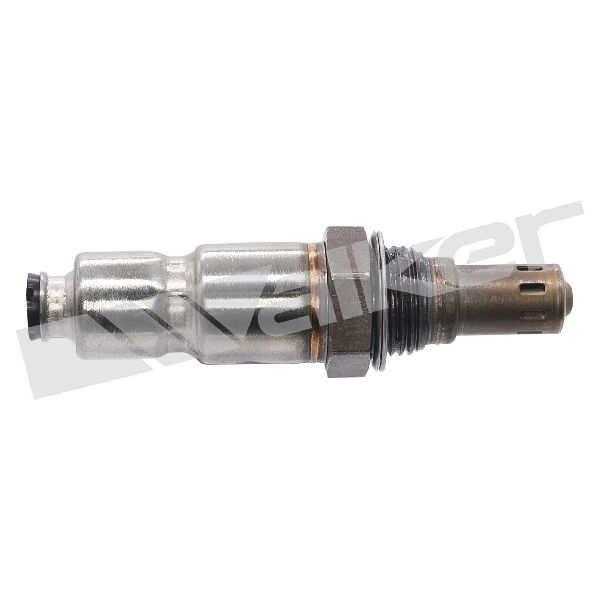
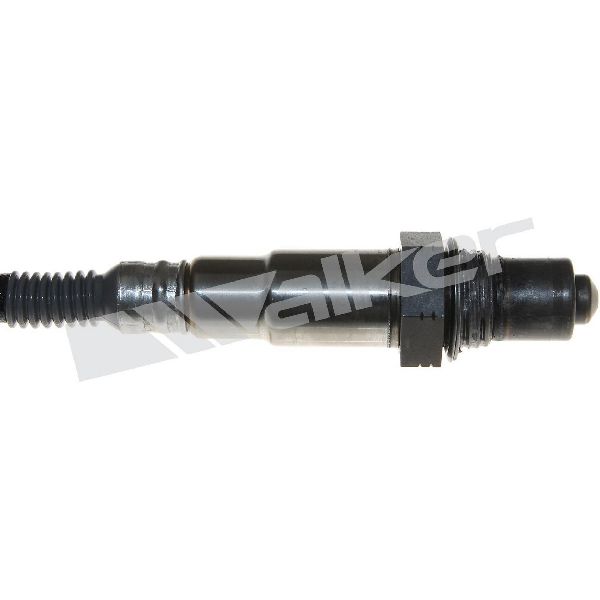
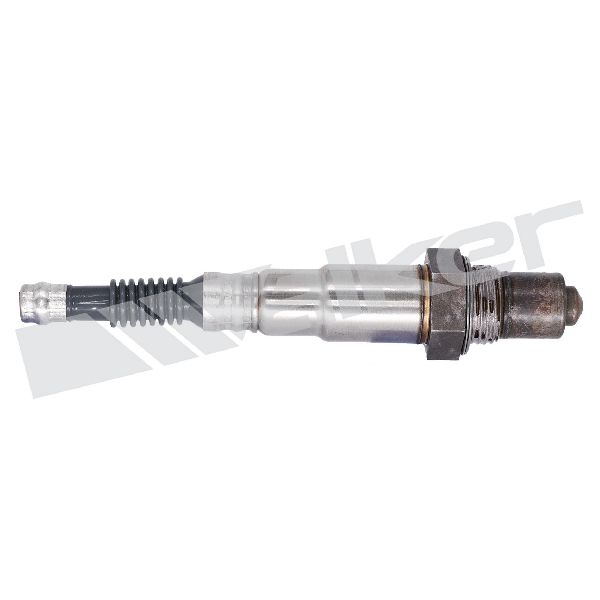
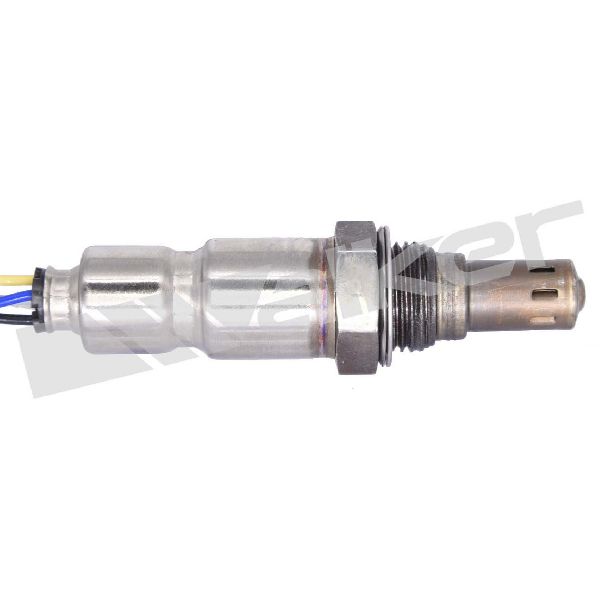
Most sensors for the Kia Forte are 4-wire, heated, direct-fit types. The upstream sensor is often a wideband Air-Fuel Ratio sensor, while the downstream is a narrow-band oxygen sensor. Wire harness length varies significantly by position and year, so confirming the correct part number is essential.
We Have This Part in Stock


The information in this article is provided for general reference and educational purposes only. Vehicle specifications, procedures, and part compatibility can vary by production date, trim level, and region. Always consult your vehicle's factory service manual and verify part numbers before purchasing or performing repairs. Safety-critical components such as airbags, seat belts, and braking systems should be installed by a qualified professional.
- Kia Forte:
- 🎬 Helpful Videos
- 🛍️ Shop This Part
- Understanding Oxygen Sensor Failure in Your Forte
- Symptoms of a Bad Oxygen Sensor
- Don't Ignore a Failing Sensor
- OEM vs. Aftermarket Oxygen Sensors
- Choosing the Right Aftermarket Brand
- A Note on Forte Generations
- Oxygen Sensor Replacement Costs for Kia Forte
- Frequently Asked Questions
- 🎟️ Get 5% Off