

Lincoln MKT Engine Coolant Temperature Sensor: A Complete Replacement Guide
Understanding why a check engine light could lead to one of the most unexpectedly expensive sensor repairs on your MKT.
- The replacement cost is extremely high due to the sensor's location under the intake manifold; expect labor to be the main expense.
- Do not use a budget sensor. Choose OEM (Motorcraft) or a premium aftermarket brand (NGK, Standard) to avoid a costly repeat repair.
- This is not a DIY-friendly job for most home mechanics due to its complexity.
- Confirm the diagnosis with a professional before replacement, as other issues can cause similar symptoms.
Is Your Lincoln MKT Showing These Symptoms?
A failing Engine Coolant Temperature (ECT) sensor can cause a surprising number of problems. Because the sensor's data is so important, a bad signal can confuse the engine's computer. You might notice one or more of the following issues:
- Check Engine Light: This is often the first sign. The computer will log fault codes like P0115, P0116, P0117, or P1299. 🎬 Watch: How to fix the P1299 overtemperature protection message.
- Poor Fuel Economy: If the sensor incorrectly tells the computer the engine is cold, the system will inject extra fuel, wasting gas.
- Black Smoke from Exhaust: A very rich fuel mixture from a bad sensor signal can result in black smoke from the tailpipe.
- Engine Overheating: A faulty sensor may fail to signal the cooling fans to turn on when needed, causing the engine to run hot.
- Rough Idle or Hesitation: Incorrect fuel and timing adjustments can lead to poor engine performance and a rough idle.
- Inaccurate Temperature Gauge: The gauge on your dashboard might read incorrectly, stay on cold, or fluctuate wildly.
A Word of Warning: The Hidden Cost of Replacement
On most vehicles, replacing an ECT sensor is a quick and simple job. This is NOT the case for the 2010-2019 Lincoln MKT with either the 3.7L or 3.5L EcoBoost V6 engine. The sensor is located on the cylinder head, buried underneath the lower intake manifold. 🎬 See a walkthrough of this complex cylinder temp sensor replacement. To access it, a technician must drain the cooling system and remove both the upper and lower intake manifolds, a labor-intensive process. This means the labor cost will be significantly higher than the cost of the part itself.
Choosing the Right Aftermarket Sensor: Don't Risk a Repeat Repair
Given the extremely high labor cost for this specific job, choosing a high-quality, reliable sensor is critical. Saving a few dollars on a budget part could mean paying for the entire expensive repair all over again if the cheap sensor fails prematurely. Here’s a breakdown of your options:
Tier 1: OEM and Premium Aftermarket
- Motorcraft: This is the original Ford/Lincoln part and your safest bet for fit, function, and longevity. It is the benchmark for quality and is highly recommended to avoid any compatibility issues.
- NGK / NTK: A well-respected Japanese brand known for making high-quality sensors that often meet or exceed OEM standards. NTK is a reliable choice for a premium aftermarket option.
- Standard Ignition (SMP): A long-standing aftermarket manufacturer that produces quality components. They are generally considered a top-tier aftermarket brand and a trustworthy alternative to OEM.
Tier 2: Standard Replacement Brands
- Walker Products, Four Seasons, Global Parts, Holstein: These brands offer a more budget-friendly option. While they are designed to be direct replacements, for a hard-to-access part like this, the risk of premature failure is a major consideration. Given the high labor cost, opting for a Tier 1 brand is strongly advised for peace of mind.
Pro Tip: Confirm the Diagnosis First
Before committing to this expensive repair, be absolutely sure the sensor is the problem. A technician can use a scan tool to check live data from the ECT sensor against other temperature sensors when the engine is cold. Issues with wiring or the thermostat can sometimes mimic a bad sensor, so proper diagnosis can save you from a costly and unnecessary repair.
Estimated Replacement Costs
The cost of the sensor itself is low, but the labor is the dominant factor for the Lincoln MKT.
| Part/Service | Estimated Cost |
|---|---|
| New OEM Sensor (Motorcraft) | $40 - $65 |
| New Aftermarket Sensor | $11 - $64 |
| Shop Labor | $1,000 - $1,500+ |
| Total Estimated Cost | $1,050 - $1,600+ |
Frequently Asked Questions
Why is the replacement cost so high for a simple sensor?
The cost is almost entirely labor. On the Lincoln MKT's V6 engines, the sensor is located under the intake manifolds. A mechanic must spend several hours removing these major components just to access the sensor, and then reassemble everything, which makes the job very expensive.
Can I replace the Lincoln MKT ECT sensor myself?
This is not recommended for beginners. The job requires draining the cooling system, removing the air intake system, fuel lines, and both upper and lower intake manifolds. It is a complex task that carries a risk of causing other issues if not done correctly. This is best left to an experienced mechanic.
🎬 Watch this video to see the sensor location and replacement process.Is there a recall for the Engine Coolant Temperature Sensor on the MKT?
No, there are no specific recalls from Lincoln or the NHTSA for a faulty Engine Coolant Temperature Sensor on the 2010-2019 Lincoln MKT.
Should I replace anything else while the intake manifold is off?
Yes. Since the labor is the main expense, it is wise to consider replacing other parts in that area at the same time. This could include spark plugs, ignition coils, or intake manifold gaskets. Discuss options with your mechanic to prevent paying for the same labor twice in the future.
Helpful Videos
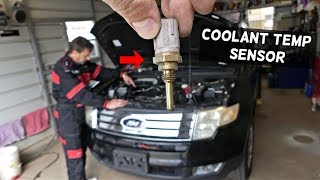
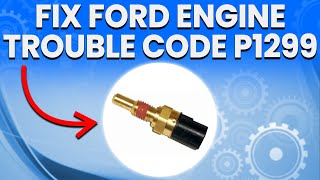

![Diagnosing and Fixing The Issues On My CHEAP Lincoln MKT. [] Did I Buy A Lemon?](https://img.youtube.com/vi/XYEtAlCD9TM/mqdefault.jpg)
Technical Specifications
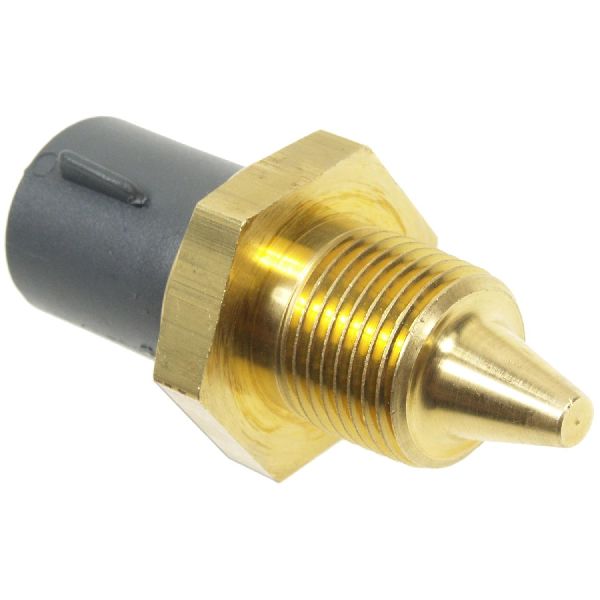
OEM Part Numbers: 7M5Z12A648A DY-1187 DY-1144
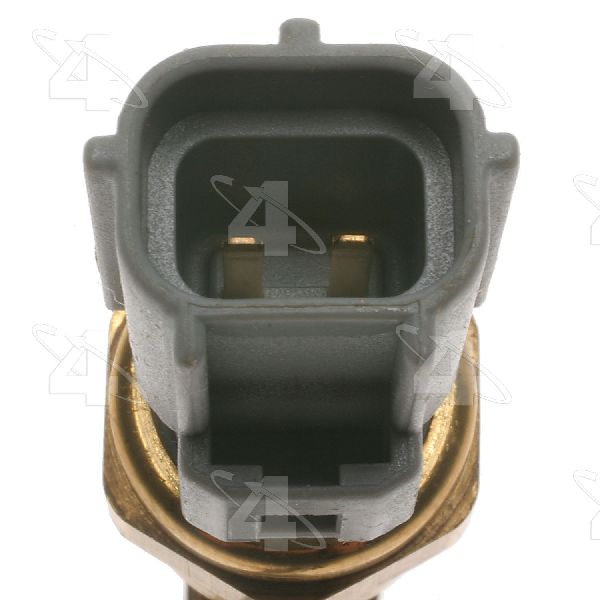
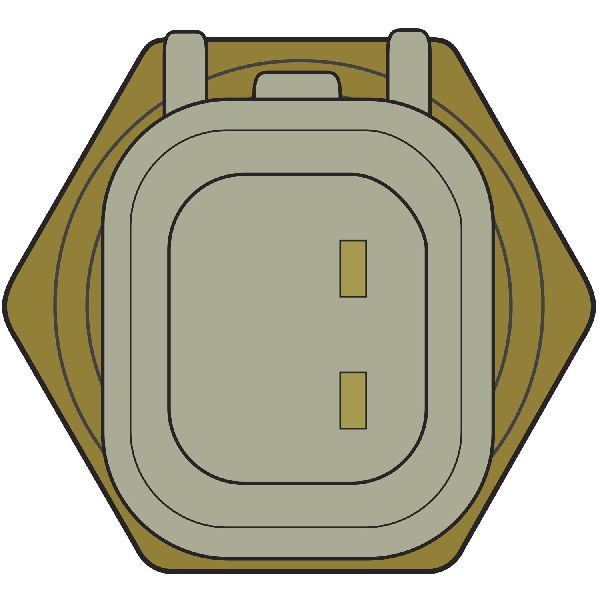
The sensor for the V6 engines is located on the cylinder head, underneath the lower intake manifold. It is a two-terminal, bolt-in style sensor typically made of brass.
We Have This Part in Stock


The information in this article is provided for general reference and educational purposes only. Vehicle specifications, procedures, and part compatibility can vary by production date, trim level, and region. Always consult your vehicle's factory service manual and verify part numbers before purchasing or performing repairs. Safety-critical components such as airbags, seat belts, and braking systems should be installed by a qualified professional.
- Lincoln MKT:
- 🎬 Helpful Videos
- 🛍️ Shop This Part
- Is Your Lincoln MKT Showing These Symptoms?
- A Word of Warning: The Hidden Cost of Replacement
- Choosing the Right Aftermarket Sensor: Don't Risk a Repeat Repair
- Tier 1: OEM and Premium Aftermarket
- Tier 2: Standard Replacement Brands
- Pro Tip: Confirm the Diagnosis First
- Estimated Replacement Costs
- Frequently Asked Questions
- 🎟️ Get 5% Off