

A Guide to Replacing Oxygen Sensors on the 2010-2019 Lincoln MKT
Diagnose and fix common oxygen sensor issues to restore your MKT's fuel economy and performance.
- Your MKT has four O2 sensors; identify the correct one before buying (e.g., Bank 2, Sensor 1).
- A bad O2 sensor will cause a check engine light, poor fuel mileage, and rough running.
- For best results, use OEM (Motorcraft) or premium aftermarket brands like Denso or NGK/NTK.
- Replacing a bad sensor promptly can prevent expensive damage to your catalytic converter.
Symptoms of a Failing Oxygen Sensor


When an oxygen sensor starts to fail, your Lincoln MKT will give you clear warning signs. The most common symptom is a lit Check Engine Light on your dashboard. Other signs include:
- Poor Fuel Economy: A bad sensor can't provide the right information, causing the engine to use more fuel than necessary.
- Rough Idle or Engine Misfires: The engine may run rough, shake, or hesitate because the air-fuel mixture is incorrect.
- Reduced Power: You might notice your MKT feels sluggish or less responsive during acceleration.
- Failed Emissions Test: A faulty O2 sensor is a common reason for failing a vehicle emissions inspection.
- Rotten Egg Smell: In some cases, a bad sensor can lead to an inefficient catalytic converter, producing a sulfur-like smell from the exhaust.
Don't Ignore the Signs
Driving for an extended period with a bad oxygen sensor can cause expensive damage to your catalytic converters, a much more costly repair.
Choosing the Right Aftermarket Oxygen Sensor

When shopping for a replacement, you'll find several brands available. They generally fall into three quality tiers for your Lincoln MKT.
Tier 1: OEM & Premium Aftermarket
These brands are known for providing original equipment (OE) parts to manufacturers and are the most reliable choice for a direct-fit, long-lasting repair.
- Motorcraft: This is the original Ford/Lincoln factory brand. Choosing Motorcraft guarantees a perfect fit and performance identical to the original part.
- Denso & NGK (NTK): Both are major OEM suppliers worldwide and are highly trusted in the aftermarket. Forum members with similar Ford engines often recommend NTK or Denso as a top-quality alternative to Motorcraft.
Tier 2: Reputable Aftermarket
This brand is a giant in the industry and a solid choice, though some Ford owners have reported occasional issues.
- Bosch: Bosch invented the oxygen sensor and is a leading global supplier. Their sensors are generally high-quality. However, some Ford enthusiasts have reported occasional compatibility or performance issues compared to OEM, Denso, or NGK sensors.
Tier 3: Economy Brands
These brands offer a significant cost saving, making them a viable option for those on a tight budget.
- Delphi, DriveWire, Spectra, Walker Products: These brands provide a functional replacement at a lower price point. While they meet basic requirements, their longevity and precision may not match the premium brands.
A Note on Fitment
Always choose a "direct-fit" or "vehicle-specific" sensor. These come with the correct electrical connector and wire length for your MKT, avoiding the need for cutting or splicing wires. Universal sensors require extra work and can be a source of future problems.
Cost of Replacing a Lincoln MKT Oxygen Sensor
The total cost depends on whether you do the job yourself or use a repair shop, and which brand of part you choose.
| Item | Estimated Cost |
|---|---|
| New OEM (Motorcraft) Sensor | $90 - $180+ per sensor |
| New Aftermarket Sensor | $26 - $172 per sensor |
| Shop Labor | $50 - $150 per sensor |
| Total (DIY, Aftermarket) | $26 - $172 per sensor |
| Total (Shop, Aftermarket) | $76 - $322 per sensor |
Cost estimates are based on a combination of provided data and national averages. Labor costs can vary significantly by location.
Frequently Asked Questions (FAQ)

How many oxygen sensors does a Lincoln MKT have and where are they?
Your Lincoln MKT with either the 3.7L or 3.5L V6 engine has four oxygen sensors. There are two banks: Bank 1 is the cylinder bank closer to the firewall (rear), and Bank 2 is closer to the radiator (front). On each bank, there is one "Sensor 1" (upstream, before the catalytic converter) and one "Sensor 2" (downstream, after the catalytic converter).
What tools do I need to replace an oxygen sensor?
You will need basic hand tools, but a special tool called an O2 sensor socket is highly recommended. This socket has a slit on the side to fit over the sensor's wire. You may also need penetrating oil to help loosen a sensor that is stuck in the exhaust pipe.
Should I replace all four oxygen sensors at once?
It is not always necessary, but it can be a good idea, especially on a higher-mileage vehicle (over 100,000 miles). O2 sensors degrade over time, so if one has failed, the others may not be far behind. Replacing them in sets (e.g., both upstream sensors) can ensure balanced engine performance.
What are common trouble codes for a bad oxygen sensor on an MKT?
A common code found by MKT owners is P0151, which indicates low voltage from the Bank 2, Sensor 1 (front bank, upstream) sensor. Other related codes can include P0131, P0135, and P2197.
Helpful Videos
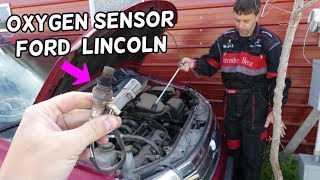
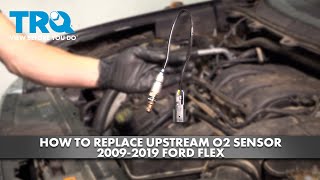
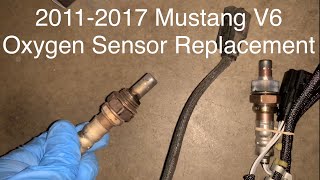
Technical Specifications
OEM Part Numbers: 8F9Z9F472G BE5Z9G444A
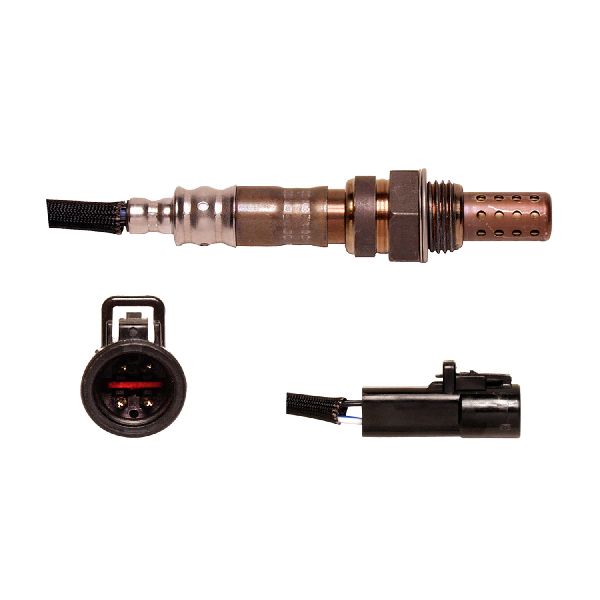
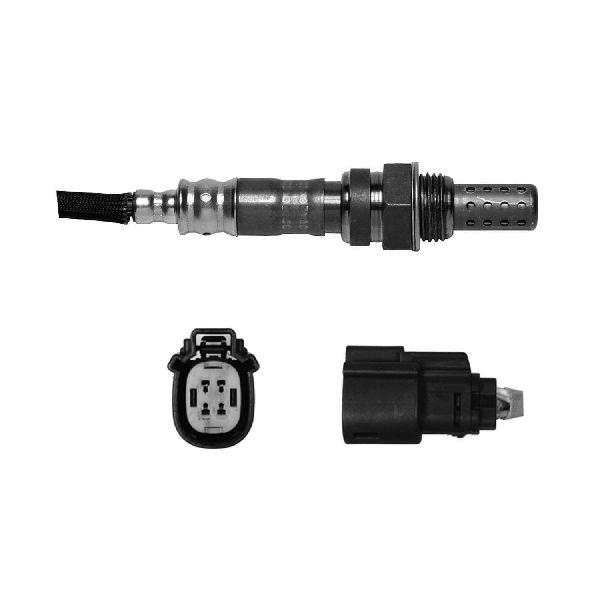
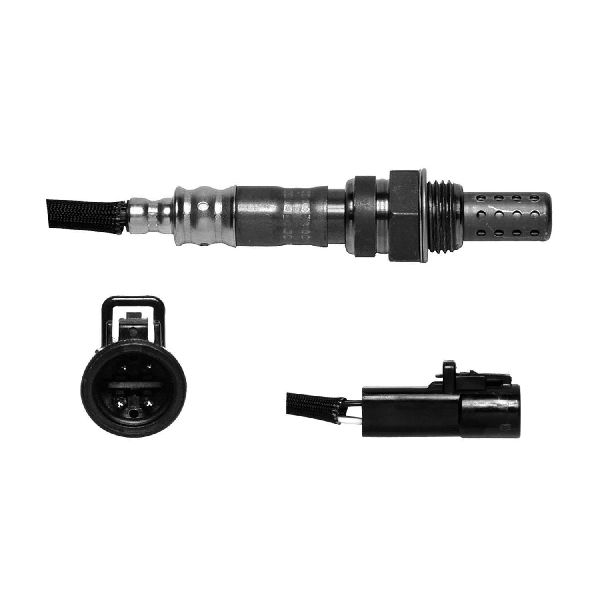
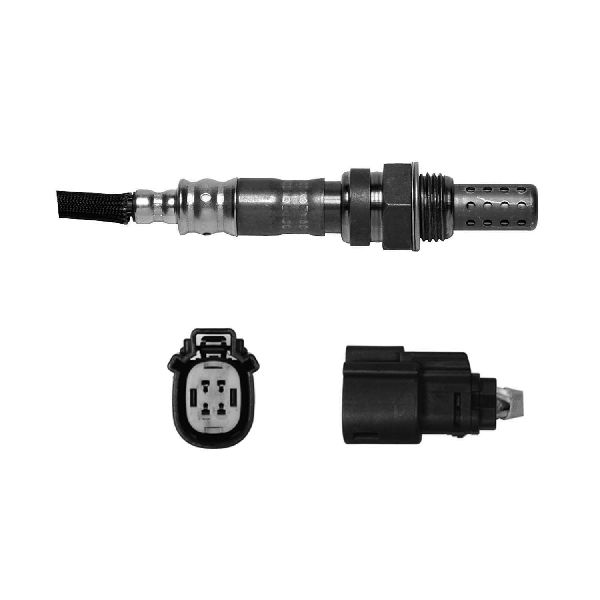
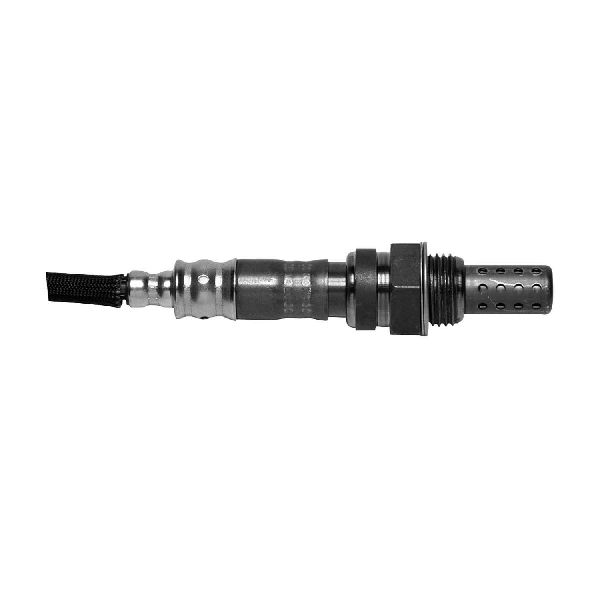
The Lincoln MKT uses both upstream (wideband, 5-wire) and downstream (narrowband, 4-wire) oxygen sensors. It is critical to select the sensor for the correct bank (Bank 1/Rear or Bank 2/Front) and position (Sensor 1/Upstream or Sensor 2/Downstream) for proper fit and function.
We Have This Part in Stock


The information in this article is provided for general reference and educational purposes only. Vehicle specifications, procedures, and part compatibility can vary by production date, trim level, and region. Always consult your vehicle's factory service manual and verify part numbers before purchasing or performing repairs. Safety-critical components such as airbags, seat belts, and braking systems should be installed by a qualified professional.
- Lincoln MKT: