

Audi A4 Engine Coolant Temperature Sensor Guide (2010-2020)
Having temperature gauge issues or poor fuel economy? Your coolant sensor might be the problem.
- A bad ECT sensor can cause poor fuel economy, an erratic temperature gauge, and engine overheating.
- For Audi electronics, it is highly recommended to use OEM-supplier brands like Hella, Vemo, or Delphi to avoid compatibility issues.
- Symptoms like cooling fans running constantly or black exhaust smoke point directly to a potential ECT sensor failure.
- This is an affordable and manageable DIY replacement that can prevent much more expensive engine problems down the road.
Is Your Audi A4's Coolant Sensor Failing?

A bad Engine Coolant Temperature (ECT) sensor can cause a surprising number of problems. Because this sensor provides critical data to the engine computer, a false signal can make the computer take the wrong actions. This can lead to poor performance and even leave you stranded if ignored for too long.
Key Symptoms of a Bad ECT Sensor:
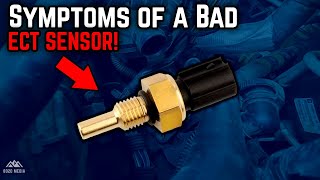
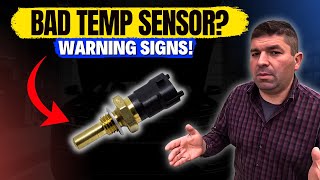
🎬 Watch: 8 common symptoms and typical replacement costs- Check Engine Light: This is often the first sign. The computer will log a fault code when it gets a signal from the sensor that is out of the expected range.
- Inaccurate Temperature Gauge: The gauge on your dashboard might stay on cold, jump to hot suddenly, or fluctuate randomly.
- Poor Fuel Economy: If the sensor wrongly tells the computer the engine is cold, the computer will enrich the fuel mixture, wasting gas.
- Engine Overheating: If the sensor fails to report that the engine is hot, the cooling fans may not turn on when needed.
- Cooling Fans Run Constantly: As a fail-safe, the ECU may run the fans at full speed if it gets no signal or an illogical signal from the sensor. This can drain your battery when the car is off.
- Black Smoke from Exhaust: A very rich fuel mixture (from a false 'cold' signal) can result in unburned fuel burning in the exhaust, creating black smoke.
- Hard Starting: The engine may be difficult to start, especially when cold, because the fuel mixture isn't correct.
Choosing the Right Aftermarket Sensor

When it comes to electronic sensors on a modern Audi, quality matters. While you don't always need to buy a part from the dealer (OEM), choosing a reputable aftermarket brand is crucial to avoid further issues. Cheap, poorly made sensors can fail quickly or provide inaccurate readings right out of the box, leading to the same problems you were trying to fix.
Aftermarket Brand Quality Tiers
| Tier | Brands | Notes |
|---|---|---|
| Premium Aftermarket / OEM Supplier | Hella, Vemo, Delphi, NGK, Bosch | These brands are often the original equipment manufacturers for Audi. They provide the highest likelihood of OE-level fit, function, and longevity. Choosing from this tier is highly recommended for trouble-free performance. |
| Quality Aftermarket | Beck Arnley, Standard Ignition (SMP), Four Seasons | These are well-regarded aftermarket brands that produce reliable parts. They are a solid choice if a premium brand is not available or if you're looking for a good balance of quality and price. |
| Economy / Budget | Holstein, Motorad, Facet, Global Parts, True Tech, VNE | While budget-friendly, the quality of these sensors can be inconsistent. They may be a viable option for a quick fix, but for a critical component like the ECT sensor on an Audi, it's often worth spending a little more to ensure reliability. |
Known Issues for 2010-2020 Audi A4

While the ECT sensor itself is a common wear item, there have been related recalls. A significant recall was issued for the electric coolant pump on 2013-2016 A4 models with the 2.0L TFSI engine. This pump could get blocked, overheat, and pose a fire risk. While this isn't a recall on the sensor, it's a critical part of the same cooling system. 🎬 Watch: Step-by-step Audi A4 water pump and thermostat replacement There are no widespread recalls or Technical Service Bulletins (TSBs) specifically for the engine coolant temperature sensor on this generation of A4, but individual failures are common as the vehicle ages.
Frequently Asked Questions (FAQ)
Where is the ECT sensor located on my A4?
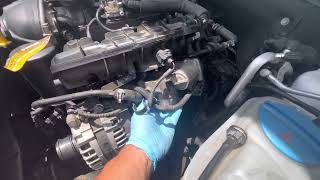
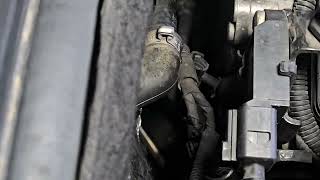
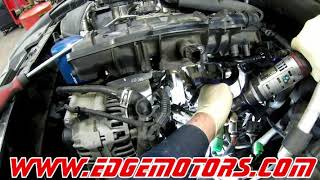
On the common 2.0T engine, the main ECT sensor is typically located at the back of the engine or on a coolant hose flange. Some models may have more than one temperature sensor for different functions. Access can be tight, but replacement is possible for a DIYer with basic tools.
Is an OEM sensor really better than aftermarket?
For critical electronic parts on German cars, OEM or an OEM-supplier brand (like Hella, Vemo, Bosch) is often the safest bet. They are built to the exact specifications required by your Audi's computer. While many quality aftermarket parts work well, a cheap sensor can cause persistent problems that are hard to diagnose.
What happens if I don't replace a bad ECT sensor?
Ignoring a bad sensor can lead to serious issues. Continually running a rich fuel mixture can damage your catalytic converter over time. More critically, if the engine overheats because the fans don't turn on, you risk severe engine damage like a warped cylinder head.
Why is my temperature gauge acting weird but there's no Check Engine Light?
Sometimes the sensor can fail in a way that provides readings that are incorrect but still within a range the ECU considers 'possible'. For example, it might read 70 degrees when the engine is actually at 90 degrees. This can cause performance issues without triggering a specific fault code immediately.
Helpful Videos

Technical Specifications
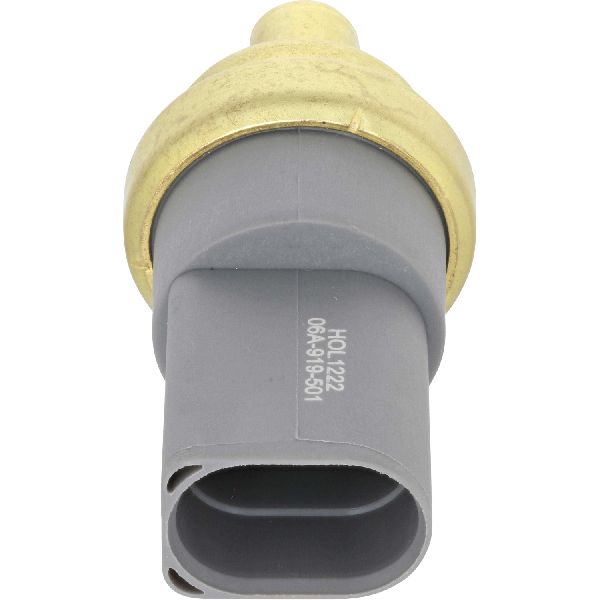
OEM Part Numbers: 06A919501A 059919501A 06A919501
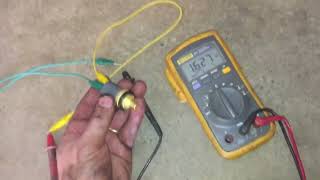
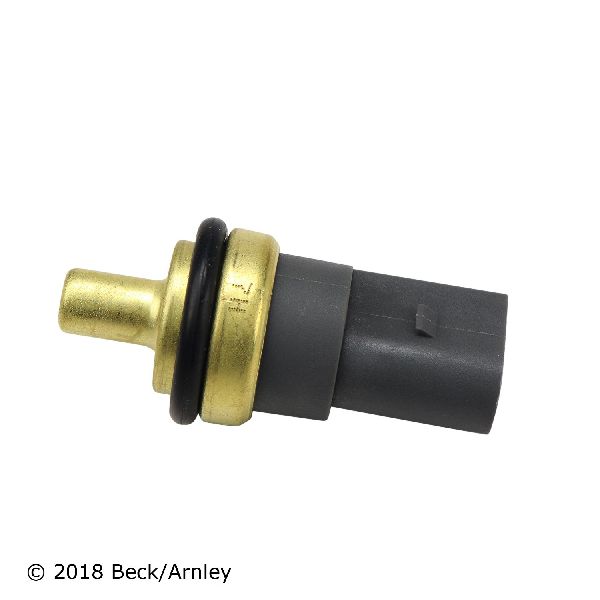
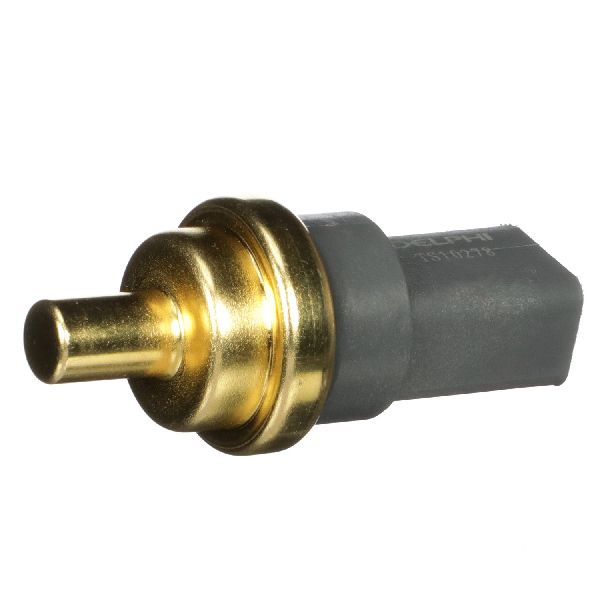
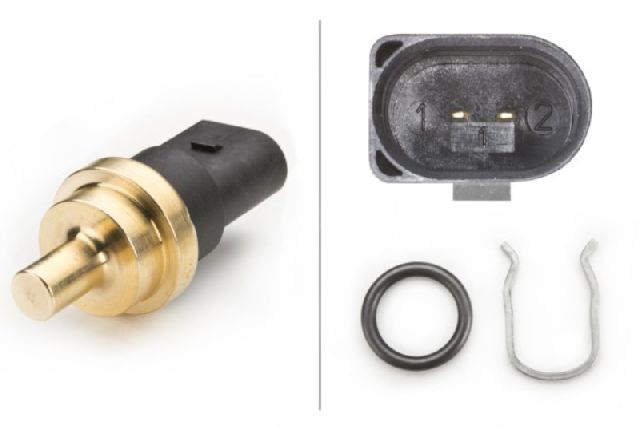
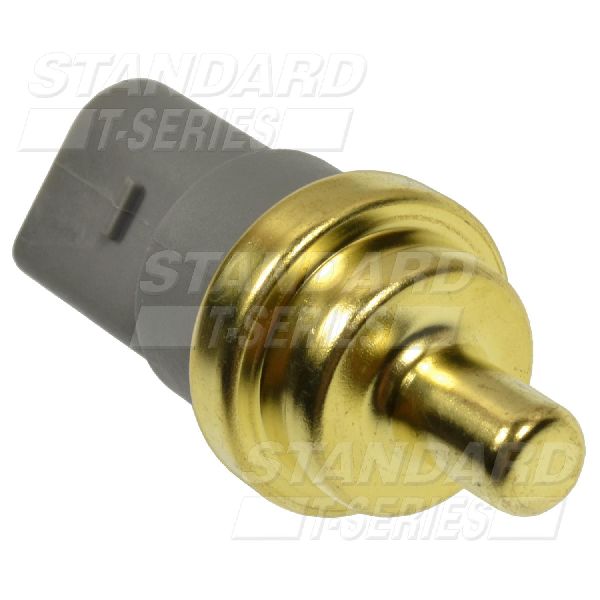
Typically a 2-pin or 4-pin push-in style sensor, often secured with a plastic clip and sealed with a rubber O-ring. The connector is usually gray or black. Always verify the specific part for your vehicle's engine and year.
We Have This Part in Stock


The information in this article is provided for general reference and educational purposes only. Vehicle specifications, procedures, and part compatibility can vary by production date, trim level, and region. Always consult your vehicle's factory service manual and verify part numbers before purchasing or performing repairs. Safety-critical components such as airbags, seat belts, and braking systems should be installed by a qualified professional.
- Audi A4: