

A Guide to Replacing the Alternator on Your 2010-2020 Ford F-150
Keep your F-150's electrical system healthy by choosing the right new aftermarket alternator.
- For 2011+ F-150s, the computer-controlled charging system is sensitive; choose a quality NEW aftermarket part to avoid issues.
- OEM (Motorcraft) or new units from OEM suppliers like Bosch and Denso are the most reliable choices.
- A battery light doesn't always mean a bad alternator. Test the battery and check wiring connections first.
- If you have added electrical accessories, upgrade to a high-output alternator from a brand like Powermaster.
Is Your F-150 Alternator Failing?

An alternator rarely fails without warning. For the 2010-2020 F-150, the signs are usually clear. Ignoring them can leave you stranded with a dead battery. Be on the lookout for these common symptoms:
- Battery Warning Light: This is the most common sign. A light shaped like a battery on your dash means there's a problem in the charging system. It can indicate the alternator is not charging enough or even charging too much.
- 'Service Charging System Now' Message: Newer trucks may display this message on the instrument cluster.
- Dim or Flickering Lights: Headlights, interior lights, and dashboard lights may appear dim or flicker, especially when the truck is idling.
- Slow Electrical Accessories: You might notice your power windows roll up slowly or the windshield wipers seem sluggish.
- Whining or Grinding Noise: A high-pitched whining or grinding sound coming from the front of the engine can be a sign of failing bearings inside the alternator.
- Burnt Smell: A smell like burnt rubber or hot wires can point to an overworked alternator or a slipping belt.
Pro Tip: Check the Battery and Wires First
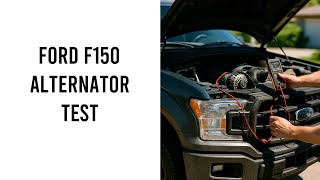
A dead battery doesn't always mean a bad alternator. Before you buy a new part, have your battery load-tested at an auto parts store. 🎬 Watch: How to perform a quick alternator test yourself. Also, check that the battery terminals are clean and tight. On these trucks, a bad wire or poor connection can sometimes mimic the symptoms of a failed alternator.
Choosing the Right Aftermarket Alternator

For many vehicles, any aftermarket part will do. For the 2011-2020 F-150, it's more complicated. The truck's computer (PCM) is very sensitive and expects to communicate with a specific type of voltage regulator inside the alternator. Using a low-quality or incompatible part can cause a persistent battery light and other electrical gremlins, even if the new alternator is technically working.
Here’s a breakdown of your aftermarket options:
Tier 1: OEM-Grade & High-Performance New
These are your safest and most reliable choices, especially for 2011+ models. They are brand new, not rebuilt, and designed to meet or exceed Ford's specifications.
- Bosch & Denso: These companies are often the original equipment manufacturers for many car brands. A new alternator from Bosch or Denso is considered a top-quality replacement that is highly compatible with the F-150's sensitive electronics.
- Ford Performance & Powermaster: These brands offer high-output alternators. If you run extra accessories like a winch, powerful stereo, or off-road lights, a high-output alternator is a smart upgrade. They provide more power (amperage) at idle and cruising speeds to handle the extra electrical load.
Tier 2: Quality New & Remanufactured
These brands offer a good balance of quality and value. They are generally reliable but it's crucial to select a NEW unit over a remanufactured one for the F-150 if possible.
- Remy: Often cited as a reliable brand for new aftermarket parts.
- BBB Industries: A known supplier for reputable store brands like NAPA, indicating good quality control.
Tier 3: Economy Options
These brands offer the lowest prices but come with a higher risk of compatibility issues or premature failure, especially on PCM-controlled F-150s.
- WAI Global, MPA: While widely available, some owners have reported issues like noise or early failure with these brands. Using them on a 2011+ F-150 can be a gamble that leads to a persistent battery light.
A Warning on Remanufactured Parts for F-150s
While remanufactured alternators are common, many F-150 owners report problems with them. The issue often lies with the remanufactured voltage regulator not communicating correctly with the truck's computer. If you have a 2011-2020 F-150, spending extra on a NEW alternator from a quality brand is strongly recommended to avoid future headaches.
Cost of Replacing a Ford F-150 Alternator

The total cost depends on the parts you choose and whether you do the work yourself. Replacement is a manageable DIY job for those with basic tools and mechanical experience.
| Item | Estimated Cost |
|---|---|
| New Aftermarket Alternator (Standard) | $150 - $350 |
| New Aftermarket Alternator (High-Output) | $350 - $500 |
| New OEM (Motorcraft) Alternator | $450 - $900+ |
| Professional Shop Labor | $120 - $200 |
Frequently Asked Questions
Can I install the alternator myself?
Yes, this is a DIY-friendly job for many owners. It typically takes 1-2 hours and requires basic hand tools like a socket set and a serpentine belt tool or breaker bar. The alternator is usually located at the top front of the engine, making it accessible.
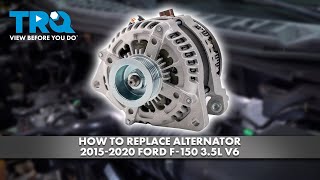
🎬 See this step-by-step replacement walkthrough for 2015-2020 models.What amperage alternator do I need?
Your F-150 came with an alternator of a specific amperage (e.g., 150A, 200A, 220A) depending on the engine and trim package. For a stock truck, a direct replacement with the same amperage is fine. If you have added electrical accessories like a winch, large light bars, or a powerful sound system, you should upgrade to a higher-amperage unit from a brand like Powermaster to prevent issues.
Why is my battery light still on after replacing the alternator?
This is a common problem on 2011-2020 F-150s when an incompatible aftermarket alternator is used. The truck's computer doesn't recognize the voltage regulator and triggers the light. Other causes can include a bad wiring connection to the alternator, a blown fuse, or a poor ground connection.
🎬 Watch this guide to troubleshooting persistent charging system issues.Are there any recalls for the 2010-2020 F-150 alternator?
There are no widespread recalls specifically for the alternator itself in this year range. However, there was a recall for some 2020 F-150 models (NHTSA #20V467) for an improper nut used on the starter motor power cable, which could create an electrical fire risk. This highlights the importance of secure electrical connections.
Helpful Videos


Technical Specifications
Varies by engine and trim. Common amperage ratings include 150A, 200A, 220A, and 240A. The alternator uses a serpentine belt and has a 3-pin electrical connector for the PCM-controlled voltage regulator on 2011+ models.
We Have This Part in Stock
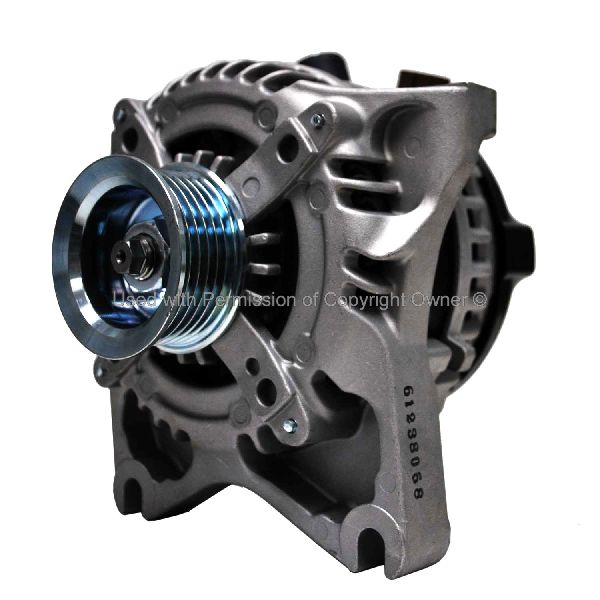
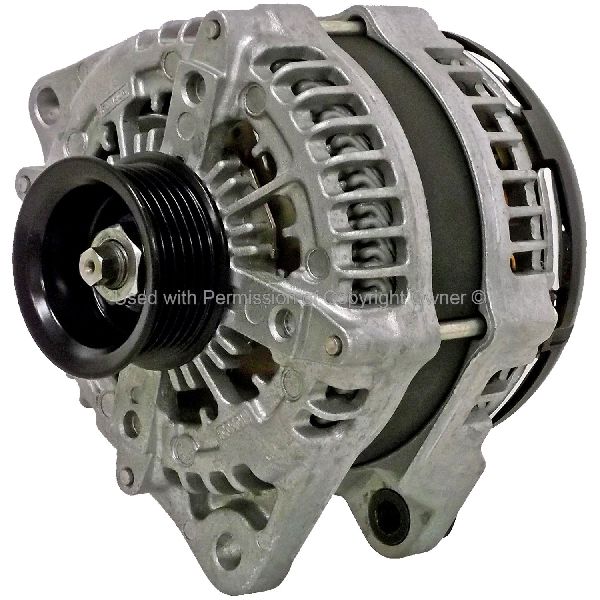
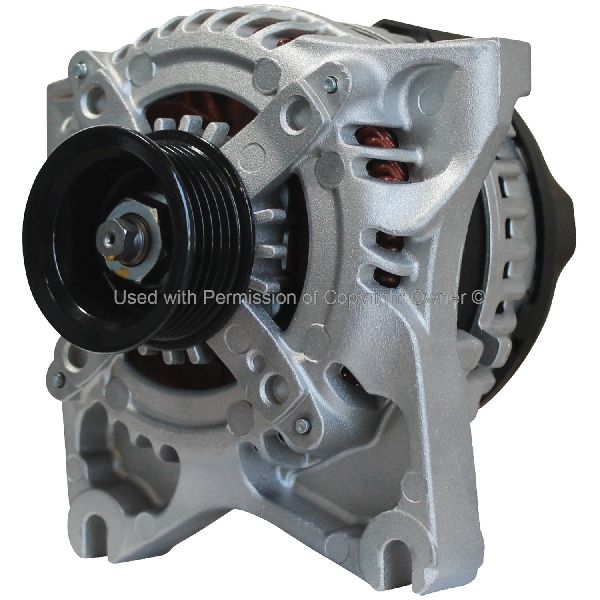
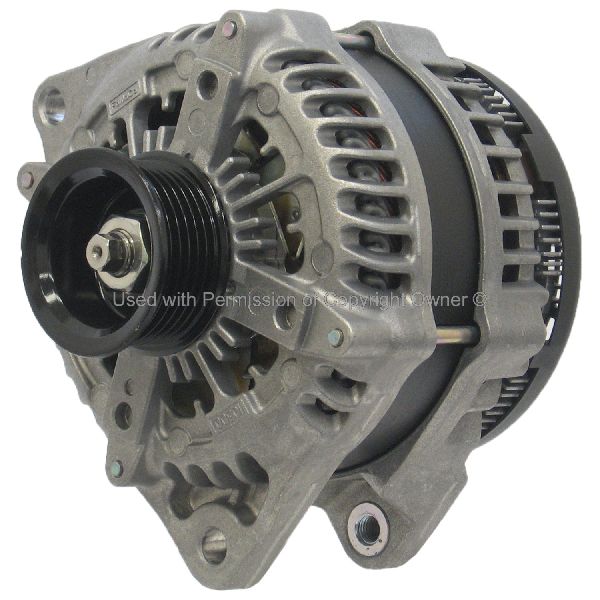
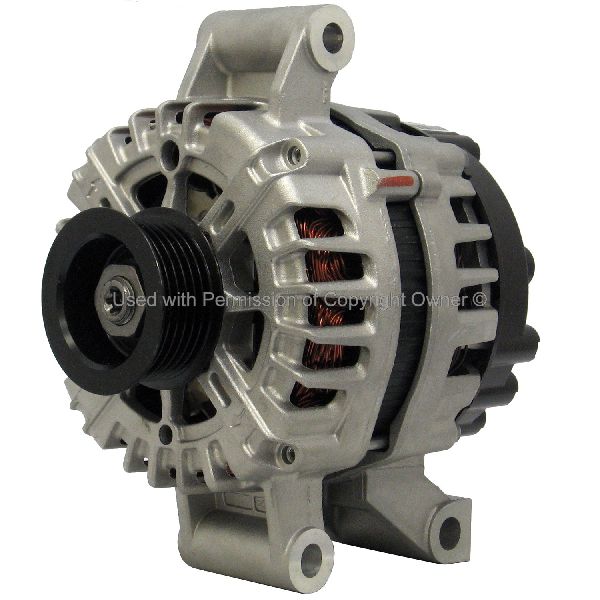
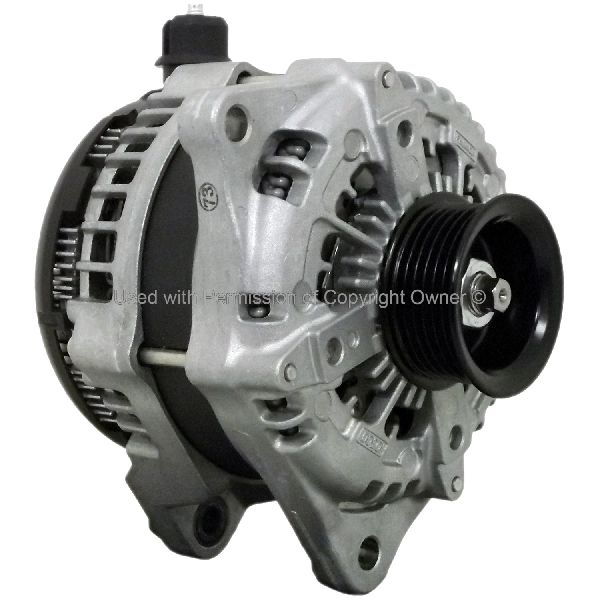

The information in this article is provided for general reference and educational purposes only. Vehicle specifications, procedures, and part compatibility can vary by production date, trim level, and region. Always consult your vehicle's factory service manual and verify part numbers before purchasing or performing repairs. Safety-critical components such as airbags, seat belts, and braking systems should be installed by a qualified professional.
- Ford F-150:
- 🎬 Helpful Videos
- 🛍️ Shop This Part
- Is Your F-150 Alternator Failing?
- Pro Tip: Check the Battery and Wires First
- Choosing the Right Aftermarket Alternator
- Tier 1: OEM-Grade & High-Performance New
- Tier 2: Quality New & Remanufactured
- Tier 3: Economy Options
- A Warning on Remanufactured Parts for F-150s
- Cost of Replacing a Ford F-150 Alternator
- Frequently Asked Questions
- 🎟️ Get 5% Off