

Guide to the 2010-2020 GMC Terrain Starter Motor
Everything a GMC Terrain owner needs to know when their SUV won't start and it's time for a new starter.
- The most common symptom of a bad starter is a single, loud click when trying to start the engine.
- Always test the battery first, as a weak battery can cause similar starting problems.
- Check for oil leaks above the starter (from valve covers or seals), as this is a common cause of premature failure on both 2.4L and 3.6L engines.
- Replacement is more difficult and costly on V6 models than on 4-cylinder models due to the starter's location.
Is Your Terrain's Starter Failing?

A bad starter can mimic other problems, especially a weak battery. Before you replace the starter, make sure your battery is fully charged (at least 12.6 volts) and the battery terminals are clean and tight. If the battery is good, here are the common signs of a failing starter on a GMC Terrain:
- Single Loud Click, No Start: This is the most classic symptom. You turn the key, hear one loud 'click' from the engine bay, but the engine doesn't crank. This usually means the starter's solenoid is working, but the motor itself has failed.
- Intermittent Starting: The Terrain starts fine one day but refuses to crank the next. This can be caused by a worn spot on the starter's internal contacts, and the problem will likely become more frequent.
- Slow, Labored Cranking: If the engine turns over very slowly, like the battery is dying, it could be a sign the starter is wearing out and drawing too much power.
- Grinding Noise: A harsh grinding sound when you try to start the engine means the starter gear isn't meshing correctly with the engine's flywheel. Ignoring this can cause expensive damage.
- No Sound at All: If your battery is good and all the lights work, but you hear nothing when you turn the key, the starter may have completely failed.
Known Issues for the GMC Terrain

While no major recalls have been issued for the starter motor itself, a common cause of premature failure is engine oil leaks. On both the 2.4L 4-cylinder and the 3.0L/3.6L V6 engines from the 2010-2017 generation, oil can drip from the valve covers or other seals directly onto the starter. This oil soaks into the electrical components, causing them to short out and fail. When replacing your starter, it's critical to inspect for and repair any oil leaks above it.
Choosing the Right Aftermarket Starter

When replacing the starter on your Terrain, you have a choice between different types of parts. For this specific part, quality matters, as some owners have reported issues with remanufactured units failing prematurely.
- New Aftermarket (ACDelco, MPA): These are brand-new parts designed to meet or exceed original specifications. Brands like ACDelco offer their 'Gold' line, which are high-quality new parts. MPA is another major supplier of new and remanufactured starters. A new aftermarket starter is often a reliable choice that balances cost and quality.
- Remanufactured: These are original units that have been rebuilt with new wear-and-tear components. While they can be a good value, quality can vary. Some Terrain owners have reported needing to replace remanufactured starters more than once.
- OEM (Original Equipment Manufacturer): These are the same parts your vehicle was built with, sold through a dealership. They are the most expensive option but offer a guaranteed fit and quality. ACDelco GM Original Equipment is the OEM part.
Pro Tip: Given the labor involved, especially on the V6 models, choosing a quality new starter from a reputable brand like ACDelco or MPA can save you from having to do the job twice.
GMC Terrain Starter Replacement Cost
The cost to replace a starter motor varies depending on your engine and whether you do it yourself or use a professional shop. The job is more difficult on the V6 models due to tighter access.
| Part/Service | Estimated Cost |
|---|---|
| New Aftermarket Starter (Part Only) | $121 - $300 |
| Shop Labor (2.4L I4) | $150 - $225 |
| Shop Labor (3.6L V6) | $175 - $700 |
| Total Professional Replacement | $471 - $807+ |
Frequently Asked Questions

Is the starter different for the 4-cylinder and V6 engines?
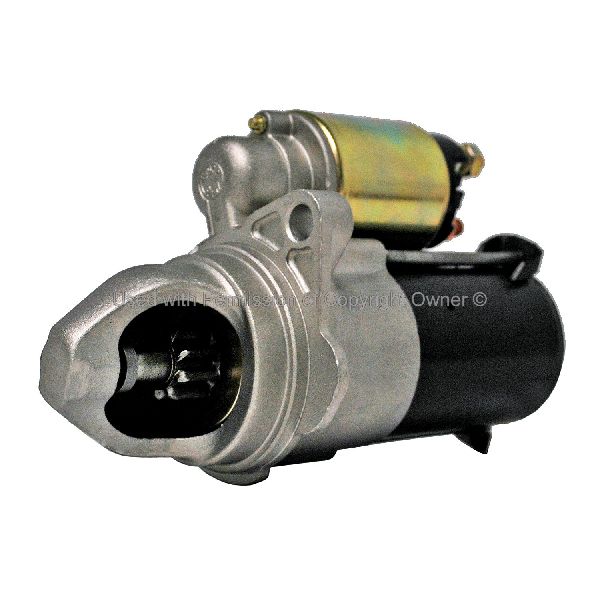
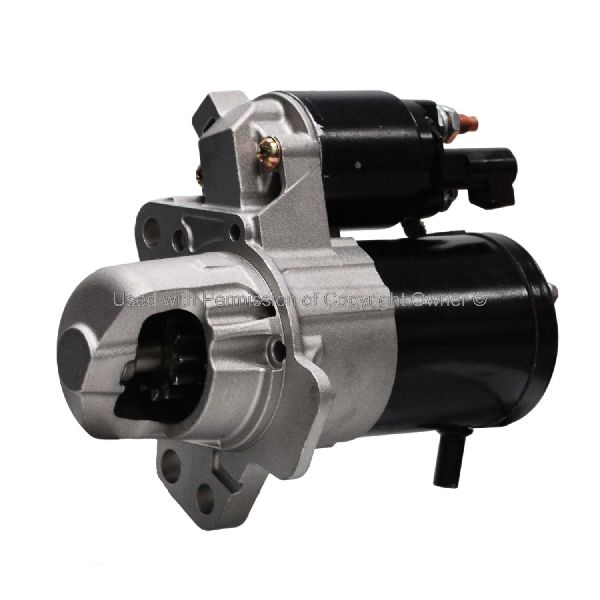
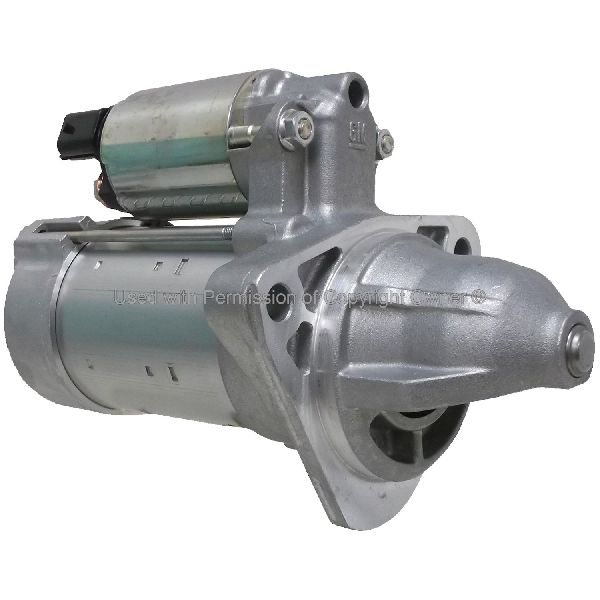
Yes, the starter motors are different parts for the 2.4L I4, 3.0L/3.6L V6, and the newer 1.5L/2.0L engines in the 2018+ models. They are located in different positions and are not interchangeable. The replacement procedure is also different for each.
Can I replace the starter myself?
For a DIY mechanic with the right tools, yes. On the 2.4L engine, the starter is accessible from underneath after removing the battery connection. On the 3.6L V6, the job is more complex and may require loosening or removing the catalytic converter for clearance, making it significantly harder. The second-generation (2018+) models also have starters located under the vehicle. Always disconnect the battery before starting work.
How do I know it's the starter and not the battery?
A weak battery usually causes a rapid clicking sound when you try to start the car, and the interior lights may dim significantly. A bad starter typically causes a single, solid click, but the lights stay bright. The best first step is to test your battery with a multimeter or have it tested at an auto parts store.
Are there any recalls on the GMC Terrain starter?
There are no specific recalls for the starter motor itself. However, there was a recall for 2018-2019 models where missing bolts on the start/stop accumulator could be an issue, but this is separate from the starter motor. The most relevant issue is oil leaks causing premature starter failure.
Helpful Videos
Technical Specifications
OEM Part Numbers: 12645298 12609317 12707576 12663052 12730578 55503480
Fitment varies significantly by engine (2.4L I4, 3.0L V6, 3.6L V6, 1.5L Turbo, 2.0L Turbo) and model year. First generation (2010-2017) starters are different from second generation (2018-2020) starters. Always verify the part number with your vehicle's VIN and engine type before ordering.
We Have This Part in Stock


The information in this article is provided for general reference and educational purposes only. Vehicle specifications, procedures, and part compatibility can vary by production date, trim level, and region. Always consult your vehicle's factory service manual and verify part numbers before purchasing or performing repairs. Safety-critical components such as airbags, seat belts, and braking systems should be installed by a qualified professional.
- GMC Terrain: