

Guide to Oxygen Sensor Replacement for the 2010-2021 Volkswagen Golf
Keep your Golf running efficiently by understanding when and how to replace a failing oxygen sensor.
- A failing oxygen sensor will trigger a check engine light, reduce fuel economy, and cause poor engine performance.
- For best results, choose an OEM-equivalent brand like Bosch, NGK, or Denso for your Volkswagen.
- Replacement is a manageable DIY task with a special O2 sensor socket, but sensors can be difficult to remove.
- Ignoring a bad O2 sensor can lead to expensive catalytic converter damage over time.
Is Your Golf's Oxygen Sensor Failing?

An oxygen (O2) sensor is a wearable part that typically needs replacement every 60,000 to 90,000 miles. When it starts to fail, it can cause noticeable problems. Ignoring a bad O2 sensor can lead to more expensive repairs down the road, including damage to your catalytic converter.
Key Symptoms of a Bad O2 Sensor:
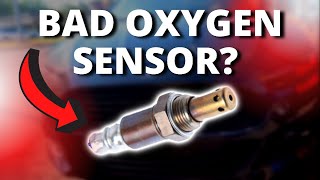
🎬 Watch: A detailed breakdown of common bad oxygen sensor symptoms.- Check Engine Light: This is the most common sign. A scanner will often show codes related to the O2 sensor or fuel mixture.
- Poor Fuel Economy: A bad sensor can cause the engine to use more fuel than necessary.
- Rough Idle or Misfires: Your engine may run unevenly, hesitate, or stall because of an incorrect air-fuel ratio.
- Rotten Egg Smell: A failing sensor can lead to a rich fuel mixture, causing a sulfur or rotten egg smell from the exhaust.
- Failed Emissions Test: An O2 sensor is crucial for controlling emissions, and a bad one will likely cause a test failure.
A Note on the P0420 Code
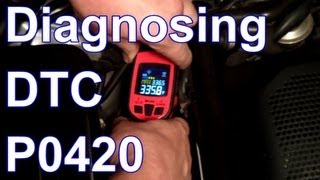
The code P0420 ("Catalyst System Efficiency Below Threshold") is very common. While it can be caused by a failing downstream O2 sensor, it often indicates that the catalytic converter itself is failing. A new O2 sensor might not fix the root problem if the converter is no longer effective.
🎬 See how to diagnose a P0420 code on a Volkswagen.Choosing the Right Aftermarket Oxygen Sensor

When it comes to sensors for a Volkswagen, brand choice matters. Some aftermarket brands are the original equipment manufacturers (OEM), offering the same quality as a dealer part without the high price tag.
Brand Quality Tiers for VW Golf
- Top Tier (OEM or Equivalent): Bosch is a primary OEM supplier for Volkswagen and invented the modern O2 sensor. Choosing a Bosch sensor is often the same as buying the genuine VW part in a different box. NGK (also known as NTK for sensors) and Denso are also highly reputable OEM-quality brands trusted by professionals.
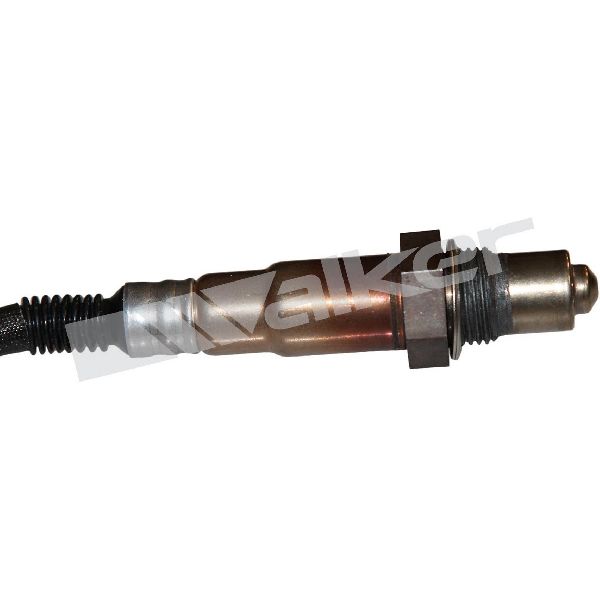
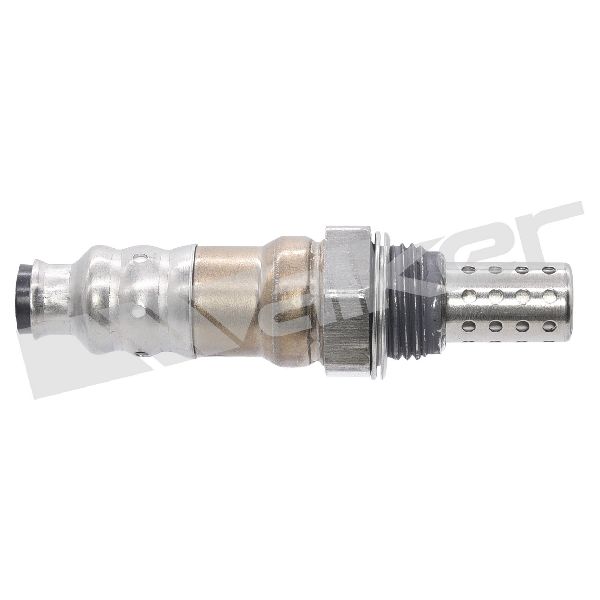
- Mid-Grade (Professional's Choice): Brands like Walker Products and Delphi offer a good balance of quality and affordability. They are often used by professional mechanics and are known to be reliable replacements.
- Budget Tier: Brands like DriveWire, Facet, Spectra, and other lesser-known names can be a gamble. While the price is low, they may have a shorter lifespan or less precise readings, potentially causing persistent check engine lights or performance issues. For a sensitive part like an O2 sensor on a VW, it's generally recommended to stick with the top or mid-grade tiers.
Pro Tip: Always buy a "direct-fit" sensor. These come with the correct wire length and factory-style connector, making installation much easier than a "universal" sensor that requires you to splice wires. Many new sensors also come with anti-seize compound pre-applied to the threads.
Cost of Replacing a VW Golf Oxygen Sensor
The cost can vary based on the sensor's position (upstream sensors are often more expensive) and the brand you choose.
| Item | Estimated Cost |
|---|---|
| New OEM Sensor (from dealer) | $150 - $300+ |
| New Aftermarket Sensor (DIY) | $32 - $228 |
| Shop Labor | $100 - $200 |
| Total Professional Replacement | $250 - $500+ |
Frequently Asked Questions

How many oxygen sensors does my 2010-2021 Golf have?
Most Golf models in this year range have two oxygen sensors: one upstream (before the catalytic converter, also called Bank 1 Sensor 1) and one downstream (after the catalytic converter, also called Bank 1 Sensor 2). Some performance or specific engine models might vary.
What is the difference between an upstream and downstream sensor?
The upstream (pre-cat) sensor is the primary sensor used by the engine computer to adjust the air-fuel ratio. The downstream (post-cat) sensor's main job is to monitor the catalytic converter's health. They are not interchangeable.
Can I replace the oxygen sensor myself?
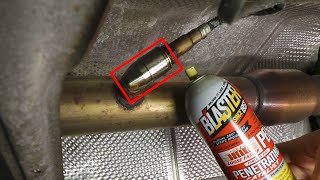
Yes, this is a feasible DIY job for many home mechanics. It requires a special 22mm oxygen sensor socket with a slot for the wire. The main challenges are accessing the sensor (especially the upstream one near the hot turbo/manifold) and getting it loose, as they can be seized in the exhaust pipe. Using penetrating oil beforehand is highly recommended.
Do I need to reset the check engine light after replacement?
Yes. After replacing the sensor, you will need to clear the diagnostic trouble codes with an OBD-II scanner. If the new sensor has fixed the problem, the light should stay off. Some experts also recommend resetting the ECU's adaptation values to help it learn the new sensor faster.
Are there any recalls for the VW Golf oxygen sensor?
An emissions recall (Code: 24CV) for 2010-2014 Golf TDI models involved an inspection and potential replacement of the oxygen sensor if it was out of tolerance. No widespread safety recalls covering all 2010-2021 models for a defective oxygen sensor were found. Always check with a dealer or the NHTSA website for your specific VIN.
Helpful Videos
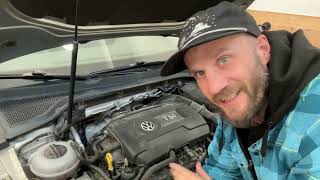
Technical Specifications
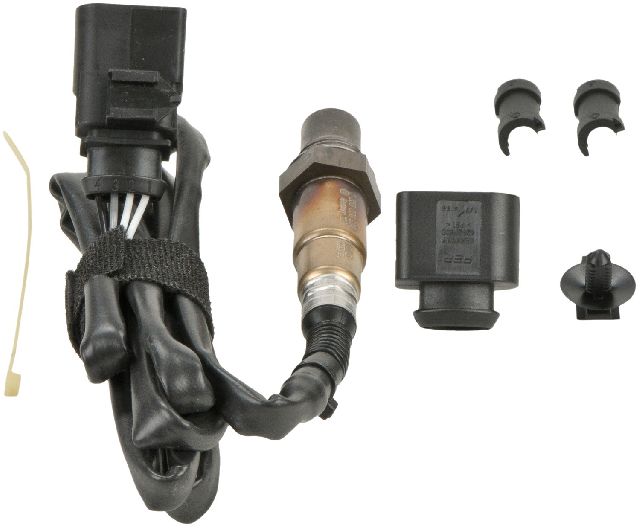
OEM Part Numbers: 1K0998262T 1K0998262E 1K0998262N
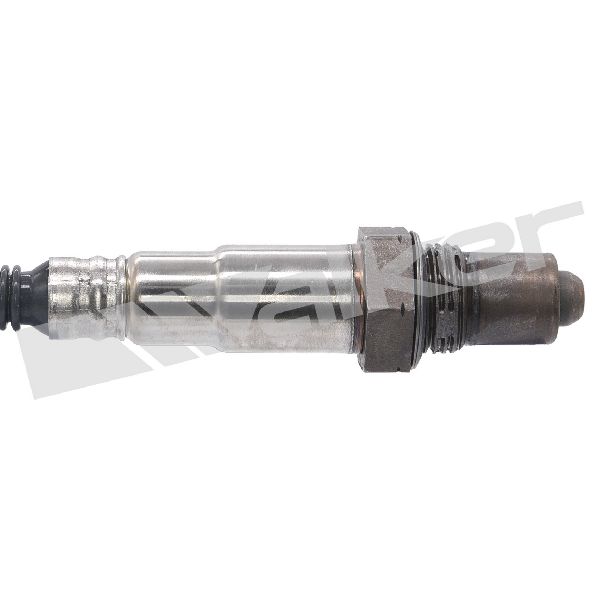
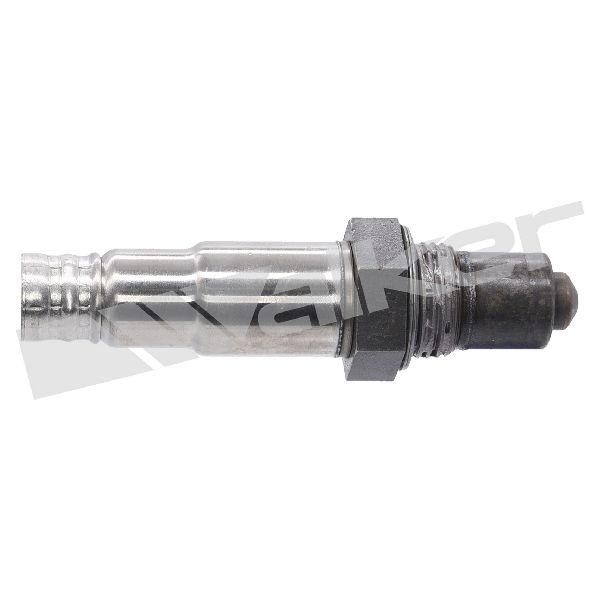
Most models use a 4-wire heated oxygen sensor. A specific 22mm slotted socket is required for removal and installation. Torque specification is typically around 37-55 Nm (27-41 ft-lbs).
We Have This Part in Stock


The information in this article is provided for general reference and educational purposes only. Vehicle specifications, procedures, and part compatibility can vary by production date, trim level, and region. Always consult your vehicle's factory service manual and verify part numbers before purchasing or performing repairs. Safety-critical components such as airbags, seat belts, and braking systems should be installed by a qualified professional.
- Volkswagen Golf: