

Your Guide to the Mass Air Flow Sensor for the 2010-2022 BMW X1
Solve rough idling, poor fuel economy, and hesitation by understanding how to choose the right new aftermarket Mass Air Flow sensor for your X1.
- A failing MAF sensor on your X1 will cause a Check Engine Light, rough idle, poor acceleration, and bad fuel economy.
- For best results, choose an OEM-equivalent brand like Bosch or a quality aftermarket brand like Delphi or Vemo.
- Replacement is a very simple DIY task that takes less than 15 minutes and requires only basic tools.
- Always check for vacuum leaks in the intake system before replacing the sensor, as they can cause identical symptoms.
Signs of a Failing MAF Sensor in a BMW X1

When a MAF sensor starts to fail, it sends incorrect information to the engine's computer. This can cause a number of noticeable problems. You might be experiencing one or more of these issues with your X1.
- Check Engine Light: A faulty MAF sensor will almost always trigger the Check Engine Light on your dashboard. Common trouble codes include P0101 (MAF Circuit Range/Performance), P0102 (MAF Circuit Low), P0171 (System Too Lean), and P0174 (System Too Lean Bank 2).
- Rough Idle: Your X1 may idle poorly, stutter, or even stall when stopped. This happens because the engine isn't getting the right air-to-fuel mixture at rest.
- Poor Acceleration and Hesitation: If the sensor is failing, your vehicle may feel sluggish, hesitate, or jerk when you press the gas pedal.
- Reduced Fuel Economy: An incorrect air reading can cause the engine to use more fuel than necessary, leading to more frequent stops at the gas station.
- Black Exhaust Smoke: In some cases, if the engine runs too rich (too much fuel), you might see black smoke coming from the tailpipe.
Can I Clean My MAF Sensor?
Many owners wonder if they can clean the MAF sensor before replacing it. Cleaning with a dedicated MAF sensor cleaner spray can sometimes be a temporary fix if the sensor is just dirty. However, the internal electronic components can wear out over time, and cleaning will not fix a failed sensor. Given the relatively low cost of a new aftermarket part and the critical function it performs, replacement is often the more reliable long-term solution, especially on vehicles with over 100,000 miles. Be very careful if you do attempt to clean it, as the sensing element is extremely fragile.
Choosing the Right Aftermarket MAF Sensor

When it comes to electronic sensors for a BMW, quality matters. Using a cheap, low-quality sensor can often cause more problems than it solves, leading to poor performance that's sometimes worse than the original failed part. It's best to stick with reputable brands.
OEM-Equivalent Brands
Bosch: Bosch is a primary original equipment manufacturer (OEM) for BMW. This means the Bosch sensor you buy from an aftermarket retailer is often the exact same part you would get from a BMW dealership, just in a different box and at a lower price. For guaranteed fit and performance, Bosch is a top choice.
Quality Aftermarket Brands
Delphi, Vemo, Walker Products: These brands are well-regarded in the aftermarket community for producing reliable electronic components that meet or exceed original specifications. Forum discussions among BMW owners often recommend VDO (Continental), which is another OEM supplier, and Delphi as solid choices if Bosch is not available. They offer a good balance of quality and price.
Budget-Friendly Options
Cardone, DriveWire, Global Parts: These brands provide a more budget-conscious option. While they can be a good value, it's important to verify fitment and warranty information. For a sensitive component like a MAF sensor on a BMW, spending a little more for a brand with a stronger reputation for quality is often a wise investment.
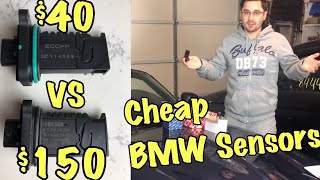
🎬 Watch why choosing quality sensors matters for your BMW.Check for Vacuum Leaks First!
Before you spend money on a new sensor, it's a good idea to inspect the air intake system for any cracks or leaks. A cracked intake boot or a loose hose clamp between the MAF sensor and the engine can cause the same symptoms as a bad sensor. A simple visual inspection or a smoke test can save you from replacing a part that isn't actually broken.
Cost of Replacing a BMW X1 MAF Sensor
| Item | Estimated Cost |
|---|---|
| New Aftermarket MAF Sensor | $67 - $441 |
| New OEM MAF Sensor | $298 - $498 |
| Shop Labor | $57 - $95 |
| Total Professional Replacement | $388 - $533 |
Frequently Asked Questions

Is it difficult to replace the MAF sensor on a BMW X1 myself?
No, this is a very easy DIY job for most owners. The sensor is located right on the air intake tube and is typically held in place by two Torx screws. The process involves unplugging the electrical connector, removing the screws, swapping the sensor, and reassembling. It usually takes less than 15 minutes.
What happens if I don't replace a bad MAF sensor?
Ignoring a failing MAF sensor can lead to more serious problems. Persistently running too rich (too much fuel) or too lean (not enough fuel) can damage your spark plugs and, more expensively, your catalytic converter. You will also continue to experience poor performance and bad fuel mileage.
Are there any recalls for the BMW X1 MAF sensor?
Based on searches of the National Highway Traffic Safety Administration (NHTSA) database, there are no specific recalls for the Mass Air Flow sensor on the 2010-2022 BMW X1. There have been other recalls for this vehicle, such as for airbags and water pump connectors, but none that directly address the MAF sensor.
Do I need to reset the computer after installing a new MAF sensor?
It is a good practice to clear the trouble codes with an OBD-II scanner after installation. You can also disconnect the battery for about 20 minutes to reset the engine computer's learned fuel adjustments, allowing it to adapt to the new, accurate sensor readings more quickly.
Helpful Videos
Technical Specifications
OEM Part Numbers: 13627602038 13627593624 13628583496
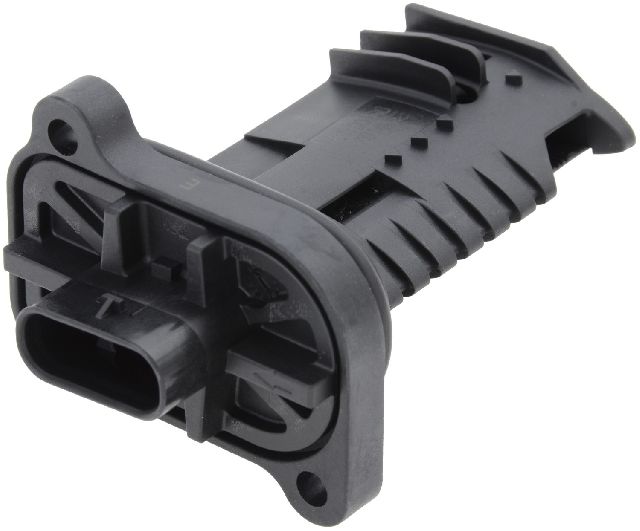
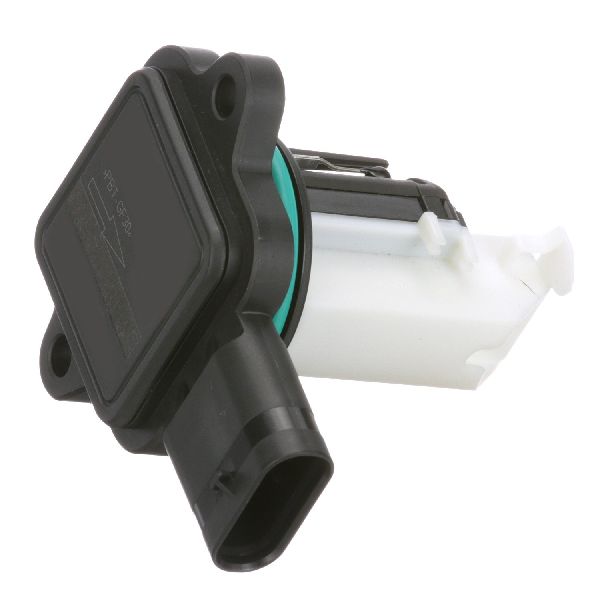
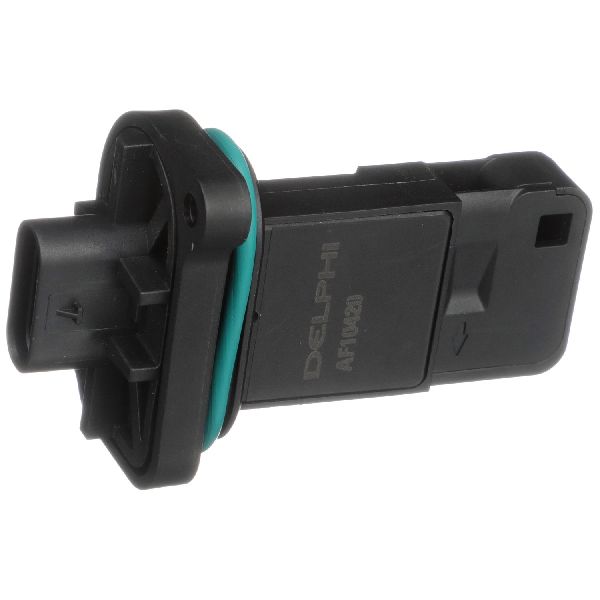
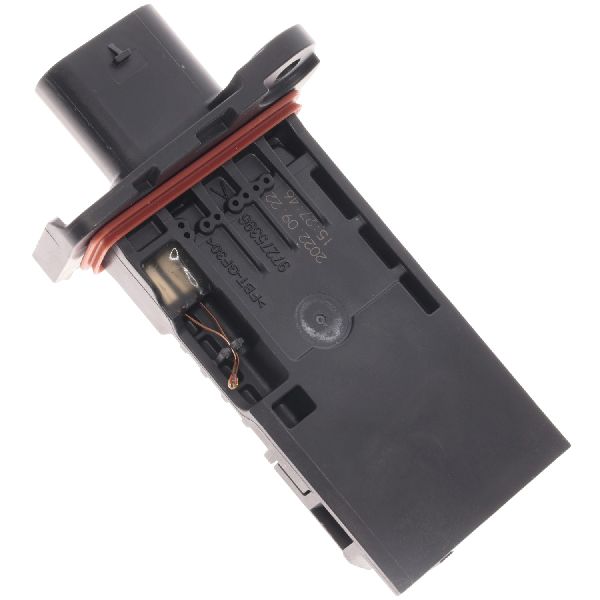
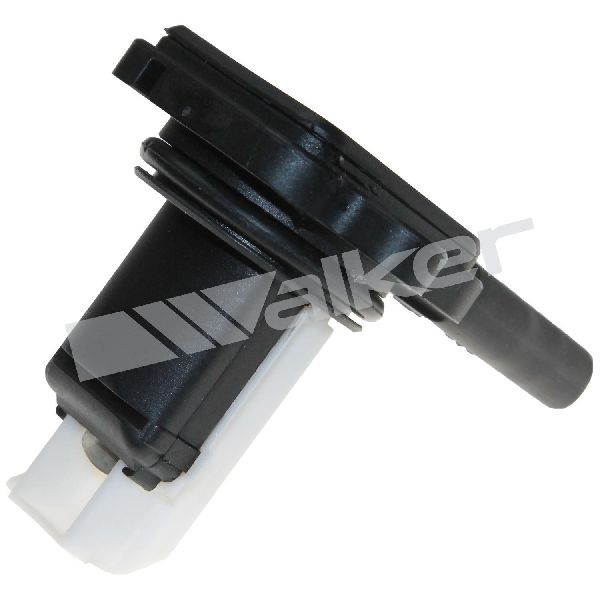
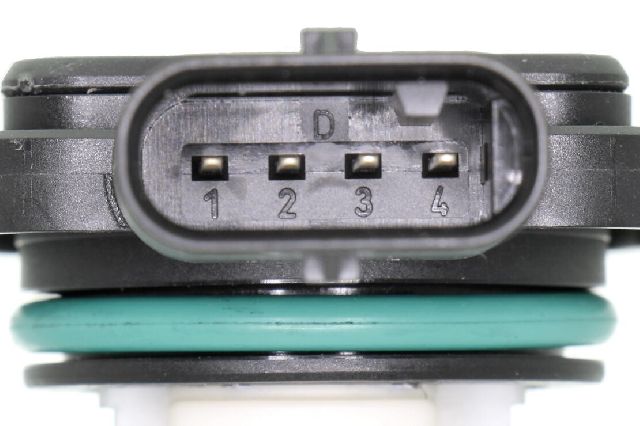
The MAF sensor for the BMW X1 is a 'hot-film' type sensor that is typically sold as a complete unit with the housing, secured by two Torx screws and connected via a single electrical plug.
We Have This Part in Stock

The information in this article is provided for general reference and educational purposes only. Vehicle specifications, procedures, and part compatibility can vary by production date, trim level, and region. Always consult your vehicle's factory service manual and verify part numbers before purchasing or performing repairs. Safety-critical components such as airbags, seat belts, and braking systems should be installed by a qualified professional.
- BMW X1:
- 🎬 Helpful Videos
- 🛍️ Shop This Part
- Signs of a Failing MAF Sensor in a BMW X1
- Can I Clean My MAF Sensor?
- Choosing the Right Aftermarket MAF Sensor
- OEM-Equivalent Brands
- Quality Aftermarket Brands
- Budget-Friendly Options
- Check for Vacuum Leaks First!
- Cost of Replacing a BMW X1 MAF Sensor
- Frequently Asked Questions
- 🎟️ Get 5% Off