

Ford Escape Catalytic Converter: A Guide for 2010-2022 Models
Everything a Ford Escape owner needs to know before replacing a catalytic converter.
- A P0420 code is the most common sign of failure, but always diagnose the root cause (misfires, leaks) before replacing the part.
- For 2020-2022 Escapes with the 1.5L engine, check TSB 23-2259, as Ford acknowledges a known converter issue.
- Replacement is a difficult job, especially on AWD models, and may require lowering the subframe, making professional installation a wise choice for many.
- Premium aftermarket brands like MagnaFlow and Walker offer a good balance of cost and quality, while cheap, unbranded parts often fail quickly.
Is Your Ford Escape Catalytic Converter Failing?


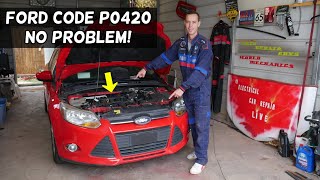
A failing catalytic converter can cause a range of problems, from annoying noises to serious performance issues. The first sign for most drivers is the check engine light. If the converter's efficiency drops, your Escape's computer will trigger a diagnostic trouble code, most commonly P0420 (Catalyst System Efficiency Below Threshold Bank 1). However, a check engine light isn't the only symptom. A completely clogged converter can starve the engine of air, leading to severe power loss where the vehicle struggles to accelerate or go past a certain speed.
Don't Ignore the Signs
Driving with a clogged catalytic converter is not recommended. It can cause excessive backpressure, leading to engine overheating, internal damage, and even a fire risk from the extreme heat buildup under the vehicle. If you experience a significant loss of power, it's best to limit driving until the issue is diagnosed.
Known Issues for 2010-2022 Ford Escape

Certain Ford Escape models have known issues related to the catalytic converter:
- TSB 23-2259: Some 2020-2022 Escape models equipped with the 1.5L EcoBoost engine may display a P0420 code due to a faulty catalytic converter. Ford issued this Technical Service Bulletin acknowledging the problem and outlining the replacement procedure for technicians.
- Cracked Converters: Newer Escapes (2020+) and related models like the Bronco Sport have reports of the converter housing physically cracking. This causes a loud exhaust leak and a noticeable smell of fumes.
- Root Cause of Failure: A catalytic converter rarely fails on its own. The failure is almost always a symptom of another problem. Common causes include engine misfires (from bad spark plugs or ignition coils) that send unburned fuel into the exhaust, or contamination from engine oil or coolant leaks. You must fix the root cause, or you will quickly destroy the new converter.
Choosing the Right Aftermarket Converter

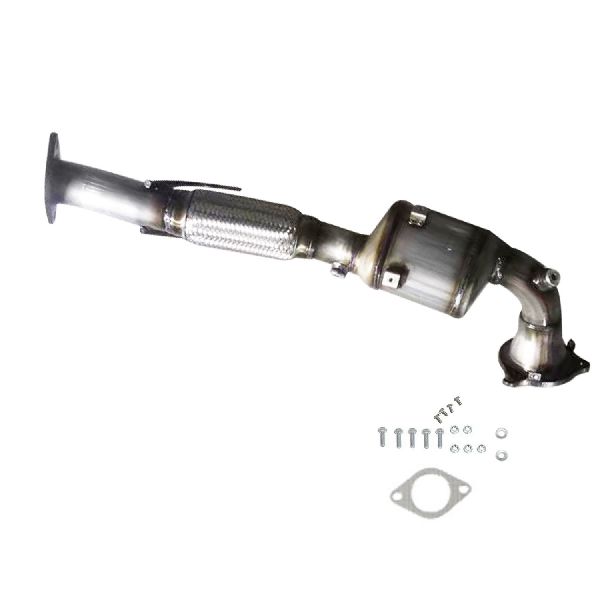
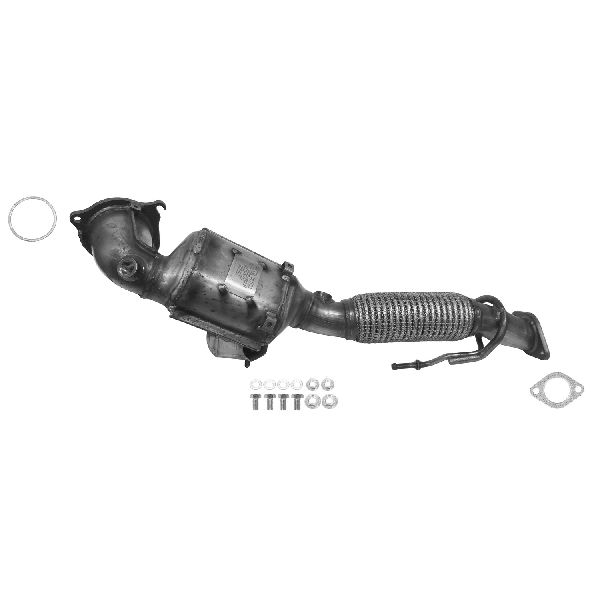
When shopping for a new aftermarket catalytic converter, you'll find a wide range of brands and prices. They generally fall into three tiers. Remember to always check if a part is designated as "direct-fit," which is designed to bolt on without modification, versus "universal," which will require cutting and welding for installation.
Tier 1: Premium Aftermarket (MagnaFlow, Walker)
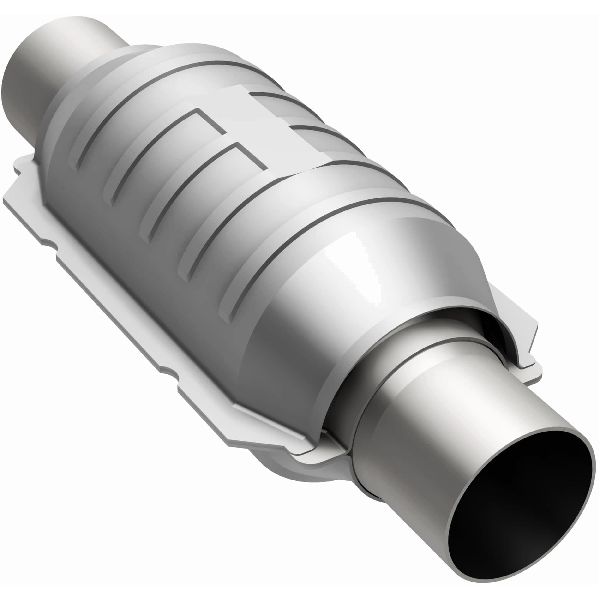
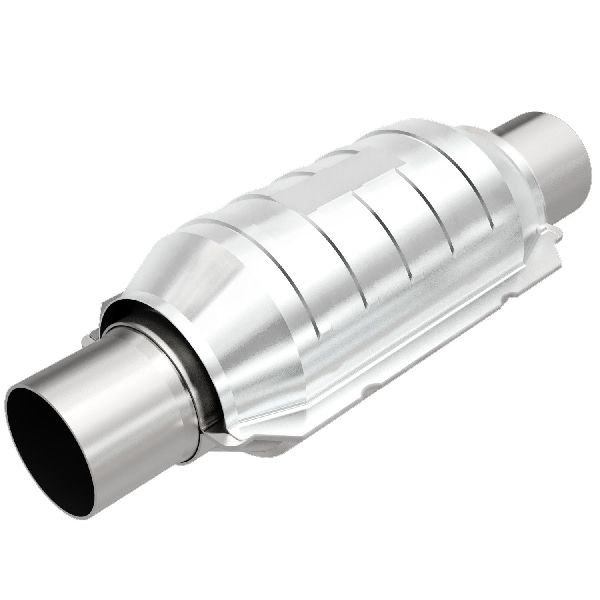
These brands are well-regarded by professional mechanics and DIYers. They invest more in research and materials, resulting in better fitment and a higher concentration of the precious metals needed to keep the check engine light off long-term. MagnaFlow is often praised for its stainless steel construction and performance-oriented designs, while Walker is known for making reliable, OEM-style direct-fit replacements. While more expensive than other aftermarket options, they are a solid choice for owners who plan to keep their vehicle for years.
Tier 2: Standard Aftermarket (Dorman, AP Exhaust, Eastern Catalytic)
These brands offer a balance of affordability and function, making them a popular choice. Dorman provides a wide range of direct-fit parts that often include necessary gaskets and hardware. AP Exhaust and Eastern Catalytic are also major producers of affordable, EPA-compliant converters. The main trade-off is longevity; some owners report these converters may not last as long as premium or OEM units and can be more sensitive to underlying engine issues, sometimes causing the P0420 code to return.
Tier 3: Economy/Budget
This category includes many unbranded or private-label parts found on online marketplaces. While the low price is tempting, these parts are a gamble. They often use the bare minimum of catalyst materials, which may be enough to pass an emissions test once but can fail quickly, bringing back the check engine light. Fitment can also be poor, requiring significant modifications to install. These are best considered a temporary, short-term solution.
A Note on Emissions Compliance (CARB vs. EPA)
You must install a converter that meets the emissions standards for your state. States like California, New York, Colorado, and Maine require CARB (California Air Resources Board) compliant parts, which are more robust and more expensive. Installing a Federal (EPA) only converter in a CARB state is illegal. Always verify the part's certification before buying.
Ford Escape Catalytic Converter Cost
The cost to replace a catalytic converter in a Ford Escape varies widely based on the part chosen and labor rates.
| Part Type | Estimated Cost (Part Only) | Notes |
|---|---|---|
| New OEM (Ford) | $1,300 - $1,900+ | Highest quality and guaranteed fit, but the most expensive option. |
| New Aftermarket | $133 - $1,500 | Wide range. Premium brands are on the higher end, economy on the lower. |
| Shop Labor | $300 - $550+ | Varies by engine and drivetrain. AWD models or those requiring subframe removal will be at the high end or more. |
Frequently Asked Questions (FAQ)
Why did my new aftermarket converter fail so quickly?
The most common reason a new converter fails is that the original problem was never fixed. Things like a cylinder misfire, a bad oxygen sensor, or an oil/coolant leak will destroy a new converter, sometimes in just a few weeks. Cheaper aftermarket converters also have less tolerance for these issues than OEM parts.
Is it hard to replace the catalytic converter on a Ford Escape?
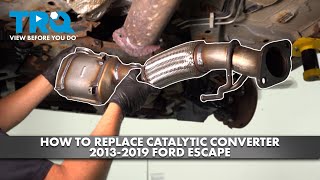
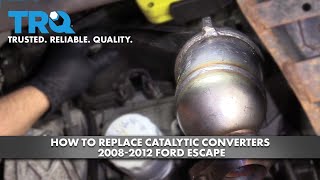
The difficulty ranges from moderate to very difficult. On many models, especially those with AWD, the job is complex and may require removing the driveshaft or even lowering the engine subframe for access. Rust is also a major factor, as exhaust bolts are often seized and may need to be cut off. For most DIY mechanics, this is a challenging job.
Do I need to replace my oxygen sensors with the converter?
It is highly recommended. Oxygen sensors play a key role in monitoring the converter's performance. A slow or failing sensor can cause the P0420 code to appear even with a good converter. Replacing them at the same time ensures the whole system is working correctly and can save you from doing the job twice.
What is the difference between the front/manifold converter and the rear/downstream one?
Many Escapes have more than one catalytic converter. The one integrated into the exhaust manifold (front) is the primary one monitored for emissions efficiency and is the usual cause of a P0420 code. Some models have a secondary, downstream converter that is often not monitored by an oxygen sensor. It's crucial to identify which one has failed before ordering parts.
Helpful Videos

Technical Specifications
OEM Part Numbers: CV6Z-5E212-F LX6Z-5E212-KZ JX6Z-5A215-C CV6Z5E212F JJ5Z5E212B CV6Z5E212J
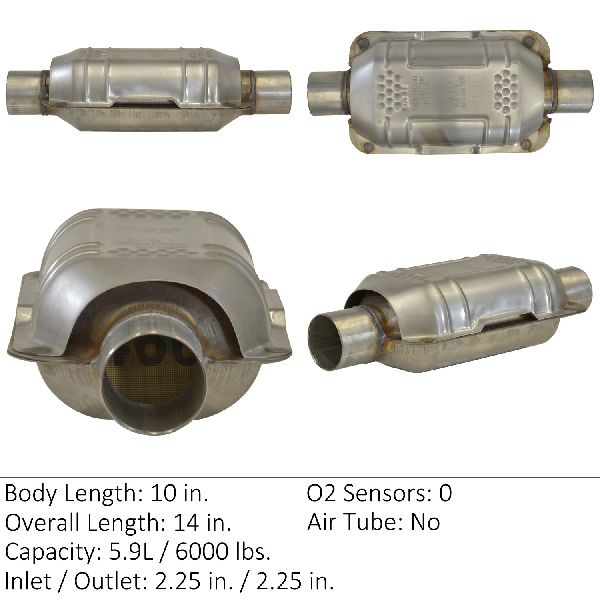
Varies by engine (1.5L, 1.6L, 2.0L, 2.5L, 3.0L) and drivetrain (FWD/AWD). Converters for 2013+ models are often integrated with the exhaust manifold or downpipe. Ensure the part matches your vehicle's specific engine and emissions standard (Federal EPA or CARB).
We Have This Part in Stock


The information in this article is provided for general reference and educational purposes only. Vehicle specifications, procedures, and part compatibility can vary by production date, trim level, and region. Always consult your vehicle's factory service manual and verify part numbers before purchasing or performing repairs. Safety-critical components such as airbags, seat belts, and braking systems should be installed by a qualified professional.
- Ford Escape:
- 🎬 Helpful Videos
- 🛍️ Shop This Part
- Is Your Ford Escape Catalytic Converter Failing?
- Don't Ignore the Signs
- Known Issues for 2010-2022 Ford Escape
- Choosing the Right Aftermarket Converter
- Tier 1: Premium Aftermarket (MagnaFlow, Walker)
- Tier 2: Standard Aftermarket (Dorman, AP Exhaust, Eastern Catalytic)
- Tier 3: Economy/Budget
- A Note on Emissions Compliance (CARB vs. EPA)
- Ford Escape Catalytic Converter Cost
- Frequently Asked Questions (FAQ)
- 🎟️ Get 5% Off