

Ford Explorer Shocks and Struts: A Guide for 2010-2022 Models
Restore your Explorer's ride and handling by understanding the key differences in suspension parts across model years.
- Verify your Explorer's generation before ordering: 2010, 2011-2019, and 2020-2022 use different parts.
- Always replace shocks and struts in pairs on the same axle (front or rear).
- A wheel alignment is essential after replacing front struts to prevent tire wear and handling issues.
- While replacing shocks, inspect related suspension parts like sway bar links and the rear toe links on 2013-2019 models for wear or recall-related damage.
Signs of Failing Shocks and Struts

Worn shocks and struts can make your Explorer feel unstable and uncomfortable. Because they wear out gradually, you may not notice the slow decline in ride quality. Here are the common signs that it's time for a replacement:
- Bouncy, Unstable Ride: The vehicle continues to bounce up and down after hitting a bump.
- Nose-Diving: The front end of the Explorer dips excessively when you apply the brakes.
- Body Roll: The vehicle leans or sways too much when turning or in crosswinds.
- Unusual Noises: You may hear clunking, knocking, or rattling sounds from the suspension area when going over bumps.
- Uneven Tire Wear: Worn shocks can cause a scalloped or "cupped" wear pattern on your tires.
- Fluid Leaks: Oily fluid seen leaking from the body of the shock or strut is a clear sign of failure.
Critical Ordering Information: Know Your Explorer's Generation
The Ford Explorer had three different suspension designs between 2010 and 2022. Ordering the correct part for your specific year range is essential, as they are not interchangeable.
- 2010 (4th Generation): This model is a body-on-frame SUV. It uses traditional, separate shock absorbers on both the front and rear suspension.
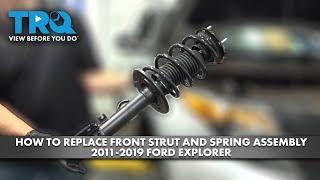
- 2011-2019 (5th Generation): This is a unibody platform. The front suspension uses a complete strut assembly (a combined shock and spring unit). 🎬 Watch: Step-by-step front strut and spring assembly replacement guide. The rear suspension uses a separate, conventional shock absorber.
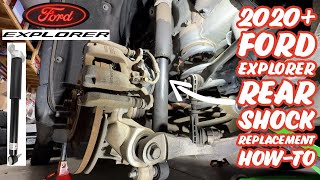
- 2020-2022 (6th Generation): This is also a unibody platform. Like the 5th generation, it uses front strut assemblies and separate rear shock absorbers. However, the parts are a different design and will not fit older models.
Known Issues, Recalls, and Service Bulletins

While shocks and struts are normal wear items, some Explorers have had related suspension issues you should be aware of:
- Rear Toe Link Recall (2013-2019 Models): Ford issued multiple recalls for fractured rear suspension toe links on 5th generation Explorers. This issue, often found in regions with road salt, can cause a loss of steering control. Symptoms include a clunking noise, unusual handling, or a misaligned rear wheel. 🎬 See how to diagnose clunking noises while turning. While replacing your shocks, it is a good time to have a mechanic inspect these links.
- Front Strut Noise TSB (2023 Models): Technical Service Bulletin SSM 52405 was released for some 2023 Explorers that may exhibit a rattle or clunk from the front suspension at low speeds. This was due to an issue within the strut assembly itself.
- Front Strut Mount Noise TSB (2020-2025 Models): TSB 25-2121 addresses a clicking or popping noise during low-speed turns, caused by the front upper strut mount washer.
Choosing the Right Aftermarket Shocks & Struts

Aftermarket parts offer a wide range of options, from budget-friendly replacements to performance upgrades. Here’s how the common brands stack up for the Ford Explorer.
Premium Upgrade: Bilstein
If you want to improve your Explorer's handling and get a firmer, more controlled ride, Bilstein is a top choice. The B6 series is a popular upgrade that provides better performance than the original parts, especially for towing or spirited driving. Be aware that this firmer ride can feel harsher over potholes.
OEM-Equivalent: KYB & Monroe
For owners who are happy with the factory ride and want a reliable, long-lasting replacement, KYB and Monroe are the standard. These brands are engineered to meet or exceed original equipment specifications and are a cost-effective way to restore your vehicle's original handling and comfort. Some users have reported Monroe shocks can be noisy, but they are generally considered a solid choice.
Budget-Friendly: FCS Struts
FCS provides an economical solution for getting your Explorer back on the road safely. These are a good choice if your primary concern is passing a safety inspection or restoring basic function on a tighter budget. While they may not offer the same longevity or performance as premium brands, they serve as a functional replacement.
Pro Tip for 2020+ Owners: Police Interceptor Parts
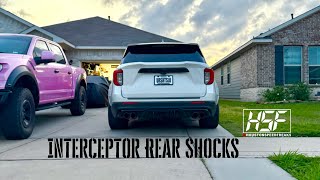
For 6th generation Explorer owners (2020-2022), a popular upgrade is to use the shocks and struts designed for the Police Interceptor Utility (PIU) version of the Explorer. These OEM parts provide a firmer, more controlled ride than the standard civilian suspension.
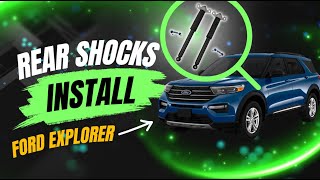
🎬 Watch this walkthrough for installing Police Interceptor rear shocks.Replacement Costs for Ford Explorer Shocks & Struts

The cost to replace your shocks and struts will depend on your vehicle's year and whether you are replacing front struts or rear shocks. Front strut replacement is more labor-intensive than rear shock replacement.
| Part Type | Average Cost (Parts Only) | Estimated Labor Cost |
|---|---|---|
| New Aftermarket Shocks/Struts | $50 - $153 per corner | $230 - $340 per axle |
| New OEM Shocks/Struts | $150 - $300+ per corner | $230 - $340 per axle |
Note: Labor costs are estimates and can vary by region and shop. Front strut replacement typically costs more than rear shock replacement.
Frequently Asked Questions (FAQ)
Do I have to replace all four shocks and struts at the same time?
You should always replace shocks and struts in pairs on the same axle (both front or both rear). Replacing only one can lead to unbalanced handling and instability. You do not need to replace the fronts and rears at the same time, but it is often recommended if they are all original and have high mileage.
What is the difference between a shock and a strut?
A shock absorber is a simple damping device. A strut is a major structural part of the suspension that combines the shock absorber and coil spring into a single unit. On the 2011-2022 Explorer, the front has struts and the rear has shocks.
Do I need a wheel alignment after replacing shocks or struts?
A four-wheel alignment is highly recommended after replacing front struts. The installation process can change your vehicle's alignment angles (camber and toe), and driving without a proper alignment can cause poor handling and rapid tire wear. An alignment is generally not needed after replacing only the rear shocks.
How long do shocks and struts last on a Ford Explorer?
The typical service life is around 50,000 to 100,000 miles. However, this can vary greatly depending on your driving habits and road conditions. If you frequently drive on rough roads or tow heavy loads, they may wear out sooner.
Helpful Videos
Technical Specifications
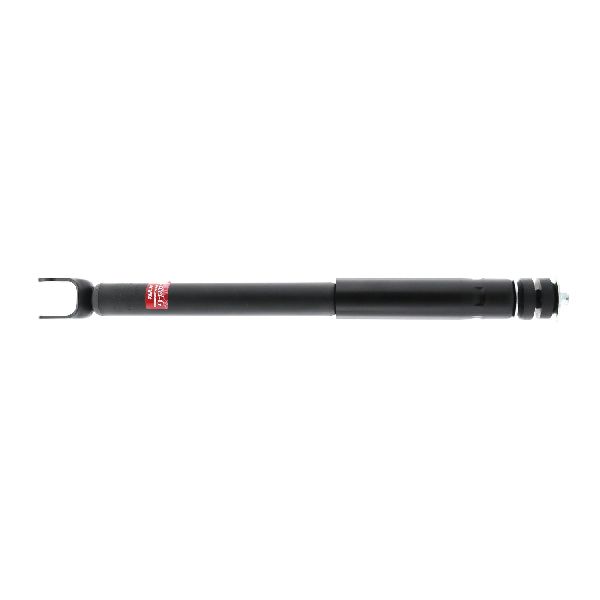
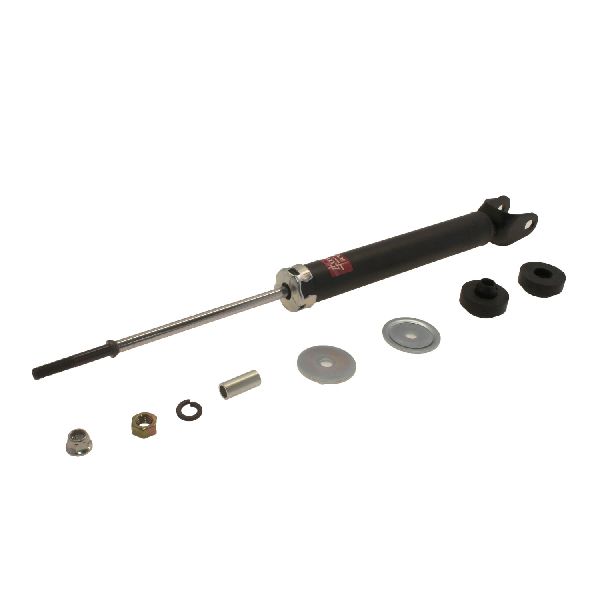
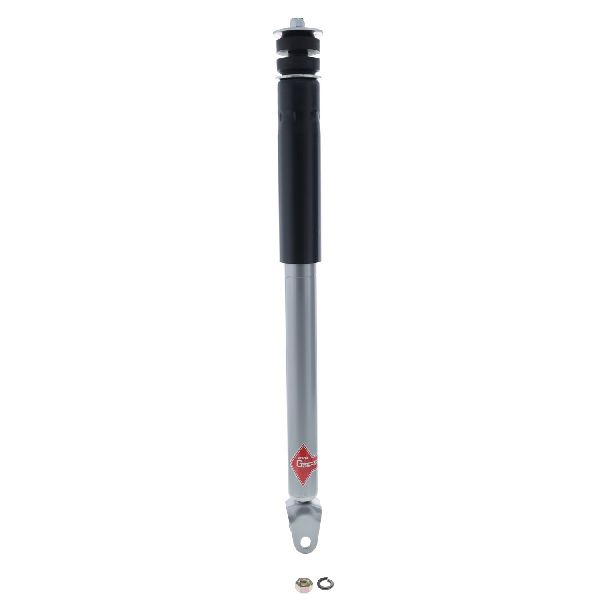
Suspension configuration varies by generation. 2010 models use front and rear shock absorbers. 2011-2022 models use front strut assemblies and rear shock absorbers.
We Have This Part in Stock


The information in this article is provided for general reference and educational purposes only. Vehicle specifications, procedures, and part compatibility can vary by production date, trim level, and region. Always consult your vehicle's factory service manual and verify part numbers before purchasing or performing repairs. Safety-critical components such as airbags, seat belts, and braking systems should be installed by a qualified professional.
- Ford Explorer:
- 🎬 Helpful Videos
- 🛍️ Shop This Part
- Signs of Failing Shocks and Struts
- Critical Ordering Information: Know Your Explorer's Generation
- Known Issues, Recalls, and Service Bulletins
- Choosing the Right Aftermarket Shocks & Struts
- Premium Upgrade: Bilstein
- OEM-Equivalent: KYB & Monroe
- Budget-Friendly: FCS Struts
- Pro Tip for 2020+ Owners: Police Interceptor Parts
- Replacement Costs for Ford Explorer Shocks & Struts
- Frequently Asked Questions (FAQ)
- 🎟️ Get 5% Off