

Chevrolet Corvette Engine Oil Pressure Sensor: A Guide for 2010-2023 Models
Dealing with a wild or dead oil pressure gauge in your C6, C7, or C8 Corvette? This guide is for you.
- Sensor failure is a very common Corvette problem; symptoms include a gauge that is pegged high, reads zero, or fluctuates wildly.
- While the sensor is the likely cause, always rule out actual low oil pressure to avoid catastrophic engine damage.
- Replacement is difficult and labor-intensive due to the sensor's location behind the intake manifold.
- Many owners prefer quality aftermarket sensors with a brass body over the OEM aluminum design for better durability.
Is Your Corvette's Oil Pressure Gauge Acting Up?
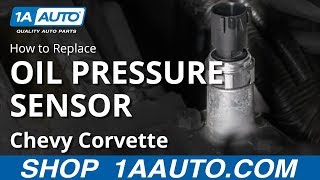
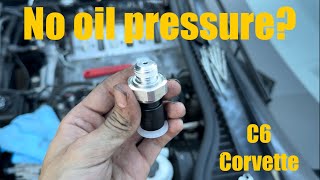
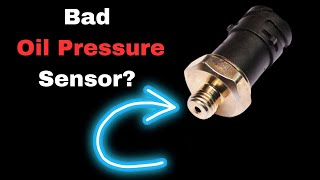
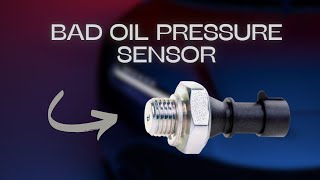
A faulty engine oil pressure sensor is one of the most common issues Corvette owners face, especially on C6 and C7 models. Symptoms are often dramatic and easy to spot. You might see the oil pressure gauge pegged at its maximum reading, like 80 or 130 PSI, even when the engine is off. Or, the gauge might drop to zero and trigger a "No Oil Pressure" or "Low Oil Pressure" warning on the instrument cluster. 🎬 See what a 'No Oil Pressure' failure looks like on-camera Sometimes the needle just bounces around erratically. 🎬 Watch: 5 telltale signs of a bad oil pressure sensor In some cases, the sensor itself can fail and start leaking oil at the back of the engine.
First, Rule Out a Real Emergency
While the sensor is the most likely culprit, these symptoms can also point to actual, engine-threatening oil pressure loss. If you see a low pressure warning, hear new engine noises like ticking or knocking, or the engine is running rough, stop the car immediately and do not drive it. It's always best to verify the engine has proper oil pressure with a mechanical gauge before assuming the sensor is bad. Also, be aware of a few official service bulletins:
- 2010-2013 Grand Sport (LS3 Dry Sump): It is considered normal for the oil pressure to read very high or peg at 80 PSI during a cold start. This is not a sensor failure (TSB PIP4768B).
- 2020 Corvette (C8): DTCs P0521 and P06DD can be caused by an internal oil pressure control valve issue, which is a more complex repair than changing the sensor (TSB 20-NA-179).
- All Models: In rare cases, low pressure can be caused by a sticking oil pump relief valve, which requires immediate professional diagnosis (TSB SB-10052311-5425).
Choosing an Aftermarket Oil Pressure Sensor
When it comes to this specific part on the Corvette, many owners choose aftermarket replacements over OEM. Forum discussions frequently mention the original aluminum-body AC Delco sensors failing repeatedly. For this reason, many experienced owners and mechanics recommend using a quality aftermarket sensor with a brass body, which is believed to be more durable.
- Tier 1: Reputable Aftermarket (e.g., Standard Ignition): Brands like Standard Motor Products (SMP), who makes Standard Ignition parts, are often recommended on Corvette forums. They are known for producing quality electronic components and are a popular choice for this repair.
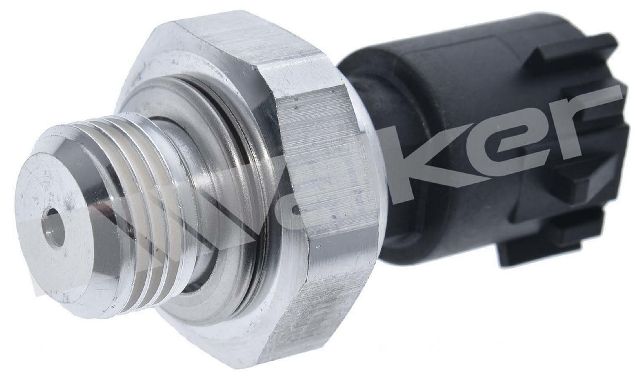
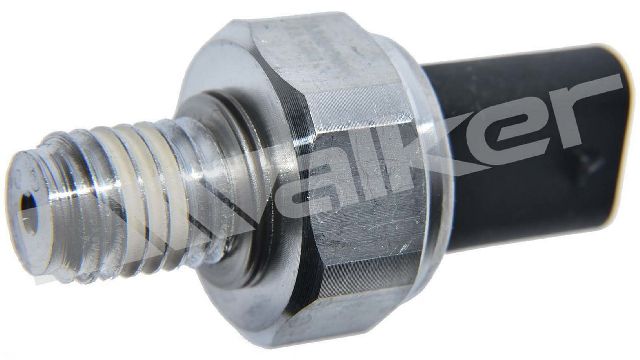
- Tier 2: Known Aftermarket Brands (e.g., Walker Products): Walker is a large manufacturer of engine management parts and offers a direct-fit replacement for the Corvette. They are a common and reliable alternative to OEM parts.
- Tier 3: Other Aftermarket (e.g., Vemo, Global Parts): Vemo and Global Parts are also available options. While Vemo is a known brand, it is more commonly associated with European vehicles. These brands can offer a cost-effective solution.
Pro Tip: A Difficult Replacement
Replacing the oil pressure sensor on a C6 or C7 Corvette is a difficult job because of its location. The sensor is tucked at the very back of the engine block, behind the intake manifold. While some mechanics have found ways to reach it with special tools and a lot of patience, the standard procedure requires removing the entire intake manifold 🎬 Watch this step-by-step guide to replacing the sensor yourself to gain access. This is not a simple, quick repair and is best left to an experienced DIYer or a professional shop. The labor cost is often much higher than the cost of the part itself.
Cost of Replacing a Corvette Oil Pressure Sensor
| Part Type | Estimated Cost |
|---|---|
| New Aftermarket Sensor | $46 - $82 |
| New OEM (AC Delco) Sensor | $50 - $100 |
| Shop Labor | $250 - $500+ |
Costs are estimates and can vary by location and vehicle generation. The high labor cost reflects the difficult access to the sensor.
Frequently Asked Questions
Can I drive my Corvette with a bad oil pressure sensor?
It is not recommended. While the problem is likely just the sensor, there is no way to be certain without a proper diagnosis. If the engine truly has low oil pressure, driving the car can cause catastrophic engine failure. It is safest to stop driving, verify the issue, and get it repaired.
Why do so many Corvette owners recommend a brass sensor?
The original OEM sensors are typically made with an aluminum body. Many owners have experienced multiple failures with these OEM sensors. Forum consensus suggests that aftermarket sensors with a brass body are less prone to leaking and failing, making them a more durable, long-term replacement.
Is the oil pressure sensor hard to replace myself?
Yes, this is considered a difficult DIY job. The sensor is located behind the intake manifold at the back of the engine, against the firewall. Access is extremely limited. The job requires patience, special tools like swivels and extensions, and several hours of work. Many owners opt to have a professional mechanic perform the replacement.
What's the difference between an oil pressure 'switch' and a 'sensor'?
Though the terms are often used together, a 'switch' typically only operates an on/off warning light. A 'sensor' (or sending unit) provides a variable reading that moves a needle on a gauge. Your Corvette has a full gauge, so it uses a sensor/sending unit to show the exact pressure reading.
Helpful Videos


Technical Specifications
OEM Part Numbers: 12673134
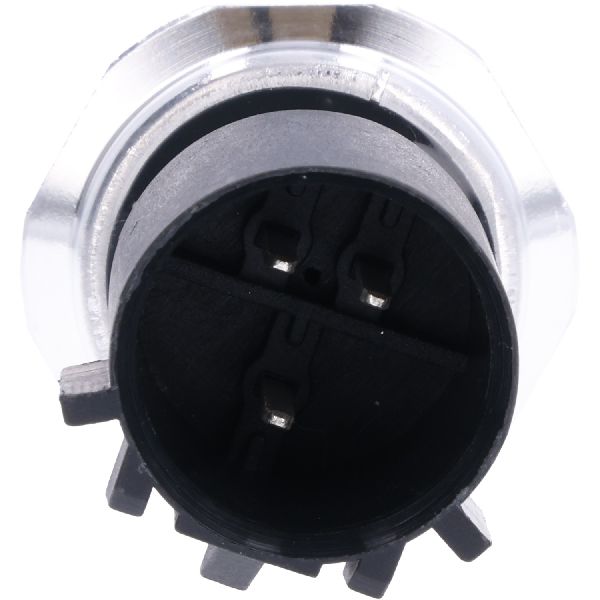
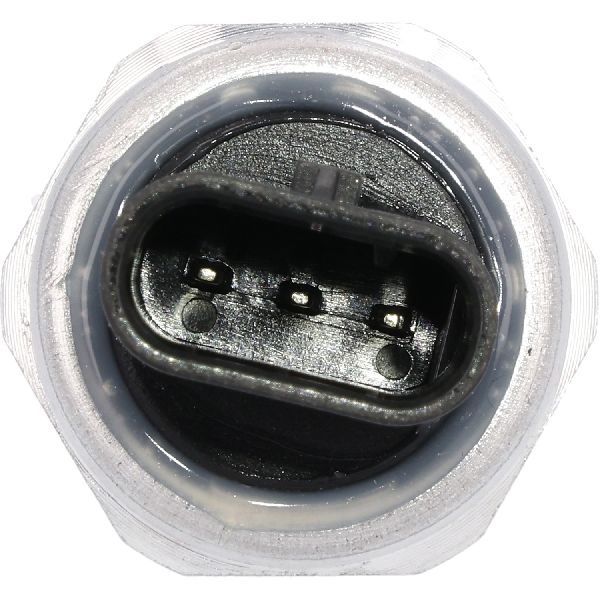
Thread Size: M16 x 1.5. Connector: 3-Pin Flat.
We Have This Part in Stock


The information in this article is provided for general reference and educational purposes only. Vehicle specifications, procedures, and part compatibility can vary by production date, trim level, and region. Always consult your vehicle's factory service manual and verify part numbers before purchasing or performing repairs. Safety-critical components such as airbags, seat belts, and braking systems should be installed by a qualified professional.
- Chevrolet Corvette: