

Ford Explorer Engine Intake Manifold Gasket Replacement Guide (2010-2023)
Learn to spot the signs of a failing intake manifold gasket on your Explorer and choose the right aftermarket replacement.
- Verify your Explorer's specific engine (2.3L, 3.5L, etc.) before ordering, as gaskets are not interchangeable.
- Symptoms like a rough idle, hissing noise, and a Check Engine Light with codes P0171/P0174 strongly point to a vacuum leak from the intake gasket.
- For V6 models, a coolant leak near the top of the engine is a major symptom; check your oil for a milky appearance, which indicates a critical internal leak.
- Investing in a premium aftermarket brand like Fel-Pro or Victor Reinz is recommended for a durable, long-lasting repair.
Understanding Gasket Failure in Your Explorer

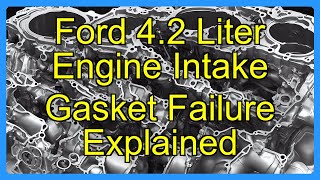
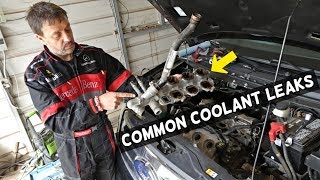
The intake manifold gasket on a Ford Explorer lives in a tough environment of constant temperature changes. Over time, the original gasket material, which can be a composite or rubber, can become hard, brittle, and crack. This leads to leaks. The most common 🎬 Watch this video to identify common symptoms of gasket failure. failures are vacuum leaks, where unmetered air gets sucked into the engine, and coolant leaks, which are prevalent on V6 engine models where coolant circulates through the intake manifold.
Critical Leak Warning
A significant coolant leak is a serious issue. If coolant mixes with your engine oil, it can lead to major engine damage, including bearing failure. If you notice milky, frothy oil on your dipstick or oil cap, stop driving the vehicle and have it inspected immediately. Driving with a severe coolant leak can cause the engine to overheat and fail.
Choosing the Right Aftermarket Gasket Set

When replacing the intake manifold gasket, you have several aftermarket options that can meet or exceed original equipment (OEM) quality. The key is to choose a brand known for quality materials and design. Always verify the specific engine in your Explorer (e.g., 2.3L EcoBoost, 3.5L V6, 4.0L V6) before purchasing, as the gaskets are engine-specific.
Brand Tiers for Aftermarket Gaskets:
- Premium Brands (Fel-Pro, Victor Reinz): Fel-Pro is a widely trusted name in the aftermarket and is known for producing reliable gaskets that often feature design improvements over the original part. Victor Reinz is another top-tier brand, often considered OEM-equivalent or better, and is well-regarded for its material quality. For a critical seal like the intake manifold gasket, spending a little more on a premium brand is a wise investment for long-term reliability.
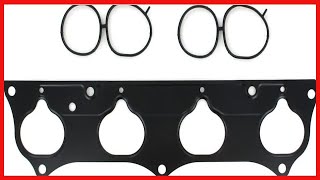
- Standard/Economy Brands (Apex): Brands like Apex offer a cost-effective solution and are manufactured to meet or exceed OEM specifications. 🎬 See a detailed look at the Apex intake gasket set. They can be a good choice for budget-conscious repairs, and many users report positive results. However, for complex jobs or on high-mileage vehicles, a premium brand may provide extra peace of mind.
Pro Tip: It's a Set for a Reason
Intake manifold gasket sets often include both the upper (plenum) and lower intake gaskets. It is highly recommended to replace all related gaskets when the manifold is removed. These are typically single-use, crush-style gaskets, and reusing them will almost certainly lead to leaks. Also, consider replacing the thermostat at the same time, as it's often easily accessible during this repair.
Known Issues, Recalls, and TSBs

While there are no widespread recalls specifically for the intake manifold gaskets on 2010-2023 Ford Explorers, some related issues are worth noting:
- TSB for Lean Codes: Older Ford TSBs (like 03-16-1 for 3.8L engines, not directly for this Explorer range but relevant context) point to leaking intake manifold gaskets as a primary cause for lean diagnostic trouble codes (DTCs) like P0171 and P0174. This indicates a known failure pattern where a vacuum leak from the gasket is a common culprit for these codes.
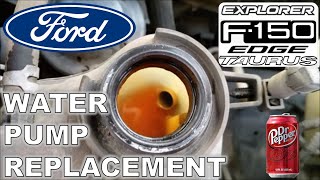
- 3.5L V6 Coolant Leaks: The 3.5L V6 engine, used in the 2011-2019 Explorer, is known for potential coolant leaks from the internally-driven water pump. 🎬 Learn more about 3.5L V6 coolant leaks and repair costs. While not a gasket issue, a coolant leak in this area can sometimes be misdiagnosed. The intake manifold gasket on this engine also seals coolant passages and can be a source of leaks.
- No Specific Gasket Recalls: Searches of the NHTSA database did not reveal any safety recalls directly targeting the intake manifold gaskets for the 2010-2023 Explorer range.
Cost to Replace an Explorer Intake Manifold Gasket

| Part/Service | Estimated Cost |
|---|---|
| New Aftermarket Gasket Set | $21 - $92 |
| Shop Labor | $218 - $448 |
| Total Professional Replacement | $239 - $540 (plus taxes/fees) |
Frequently Asked Questions (FAQ)
What are the most common trouble codes for a bad intake gasket?
The most common codes are P0171 (System Too Lean Bank 1) and P0174 (System Too Lean Bank 2). These codes indicate that the engine is getting too much unmetered air, a classic symptom of a vacuum leak from a failed intake gasket. Misfire codes (P0300-P0304) are also possible.
Can I replace the intake manifold gasket myself?
For an experienced DIY mechanic, this is a feasible job. The difficulty varies greatly by engine. On some 4-cylinder models, access is relatively straightforward. On V6 and V8 engines, the job is more involved, requiring removal of more components. You will need a good set of tools, a torque wrench to tighten the manifold bolts to specification, and the vehicle's service manual. If you are not comfortable, it is best to leave this job to a professional to avoid improper installation, which can cause new leaks.
Should I use sealant on the new gaskets?
Generally, no. Modern rubber or composite gaskets are designed to be installed dry. However, some service procedures require a small amount of RTV silicone sealant at specific points, such as where the corners of the manifold meet the cylinder head or another gasket surface. Always follow the instructions included with your new gasket set or the vehicle's service manual.
How can I test for a leak before buying parts?
A common DIY method is to spray carburetor cleaner or a similar flammable fluid sparingly around the gasket sealing area while the engine is idling. If the engine's idle speed changes or stumbles when you spray a certain spot, it indicates a vacuum leak there. Be extremely careful when doing this, as you are spraying a flammable substance onto a running engine.
Helpful Videos

Technical Specifications
OEM Part Numbers: BB5Z-9439-A FR3Z-9439-A 7T4Z-9439-A
Material composition varies by brand and application, typically including molded rubber, composite paper, or plastic carriers with rubber sealing beads. Set configurations differ based on engine type (e.g., upper/plenum and lower gaskets for V-type engines).
We Have This Part in Stock


The information in this article is provided for general reference and educational purposes only. Vehicle specifications, procedures, and part compatibility can vary by production date, trim level, and region. Always consult your vehicle's factory service manual and verify part numbers before purchasing or performing repairs. Safety-critical components such as airbags, seat belts, and braking systems should be installed by a qualified professional.
- Ford Explorer:
- 🎬 Helpful Videos
- 🛍️ Shop This Part
- Understanding Gasket Failure in Your Explorer
- Critical Leak Warning
- Choosing the Right Aftermarket Gasket Set
- Pro Tip: It's a Set for a Reason
- Known Issues, Recalls, and TSBs
- Cost to Replace an Explorer Intake Manifold Gasket
- Frequently Asked Questions (FAQ)
- 🎟️ Get 5% Off