

Ford Transit Connect Engine Cylinder Head Temperature Sensor Guide (2010-2023)
Experiencing overheating, a check engine light, or starting problems? Your CHT sensor might be the culprit.
- Your Transit Connect uses a CHT sensor, not a standard coolant sensor, to manage engine temperature.
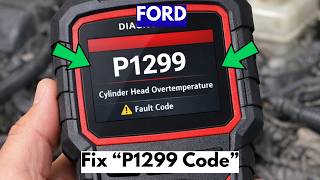
- Symptoms include false overheating, no-start conditions, and a check engine light with codes like P1299.
- Before replacing, check for water in the sensor connector caused by a clogged valve cover drain.
- For aftermarket, a brand like Standard Ignition is a safer bet than budget options like Dorman or Motorad for this critical sensor.
Is a Failing CHT Sensor a Serious Problem?

Yes, a bad Cylinder Head Temperature (CHT) sensor can cause significant issues. While the part itself is small, the information it provides is vital for engine health. A faulty sensor can trick the engine's computer into thinking the engine is either ice-cold or dangerously hot, leading to everything from a no-start condition to activating a "limp mode" to protect the engine from damage. Ignoring the symptoms could lead to poor fuel economy, stalling, or even engine damage in the long run.
A Common Issue: Water Contamination
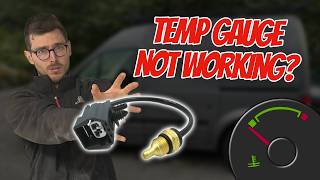
A known issue on some Transit Connect models is a clogged valve cover drain hole. When this drain gets blocked with dirt and debris, water can pool on top of the engine and get into the CHT sensor's electrical connector. This can cause corrosion and short out the sensor, leading to false overheating warnings and a temperature gauge that shoots straight to 'H' even on a cold start. Before replacing the sensor, always check the connector for any signs of moisture or green corrosion.
🎬 See how water contamination causes these common gauge issues.Choosing the Right Aftermarket CHT Sensor

When it comes to electronic sensors, not all aftermarket brands are created equal. For a critical part like the CHT sensor, choosing a quality replacement can save you from doing the job twice.
- Premium Aftermarket (Good Bet): Brands like Standard Ignition (SMP) are generally well-regarded in the industry. They are often seen as a reliable alternative to OEM parts and a solid choice for this repair.
- Economy Brands (Use with Caution): Brands like Dorman and Motorad are widely available but have a mixed reputation for electronic parts. While some of their products are fine, forum discussions frequently mention premature failures or out-of-the-box defects with their sensors. These may be a budget-friendly option, but the quality can be a gamble.
- OEM (Original Equipment Manufacturer): The original Motorcraft part is the benchmark for quality and fit. While sometimes more expensive, it provides peace of mind. Given the relatively low cost of this specific sensor, opting for OEM is a very safe choice.
Pro Tip: Check the Alternator
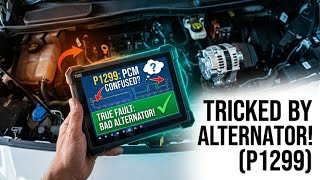
In some cases, a failing alternator can create electrical "noise" that interferes with the CHT sensor's signal. This can cause false overheating codes like P1299 and P017D, even if the sensor and wiring are perfectly fine. If you replace the sensor and the problem persists, have your alternator tested.
🎬 Watch how a faulty alternator can trigger false overheating codes.Estimated Replacement Costs
The cost to replace the CHT sensor is relatively low compared to many other engine repairs. The part itself is affordable, and the labor is straightforward.
| Part Type | Estimated Part Cost |
|---|---|
| New Aftermarket | $30.50 - $42.53 |
| New OEM (Motorcraft) | $25 - $45 |
| Shop Labor | $100 - $160 |
Frequently Asked Questions (FAQ)

Where is the CHT sensor located on the Transit Connect?
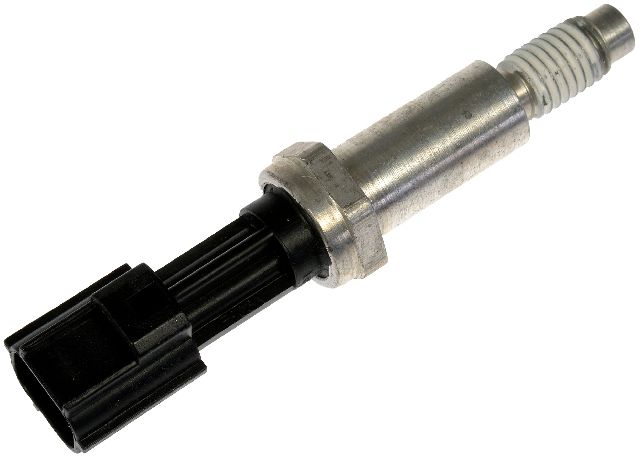
On many Transit Connect engines, like the 2.0L, the CHT sensor is located on top of the cylinder head, positioned between the two center ignition coils. You will need to remove a rubber boot to access it.
Can I replace the CHT sensor myself?
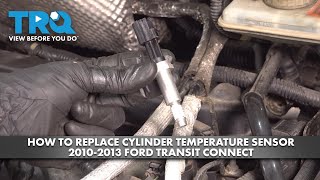
Yes, this is a DIY-friendly job for most home mechanics. It requires basic tools, including a special deep 19mm socket to fit over the sensor's tall plastic connector. The process involves unplugging the connector, unscrewing the old sensor, and carefully installing the new one to the correct torque specification (106 in-lbs).
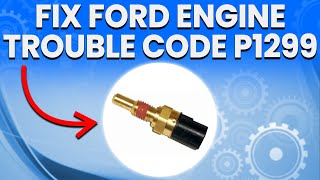
🎬 Watch this step-by-step guide to replacing the sensor yourself.Why does my van say it's overheating but the engine is cold?
This is a classic symptom of a failed CHT sensor or a contaminated connector. The sensor sends a faulty signal to the computer, causing the temperature gauge to max out and the cooling fans to run constantly as a fail-safe. Check for water in the connector first.
Are there any recalls for this sensor?
No, there are no specific recalls for the CHT sensor itself. However, there have been related PCM software updates and recalls for the cooling system strategy on certain model years, so it's always good to check with a dealer if your vehicle has any outstanding campaigns.
Helpful Videos
Technical Specifications
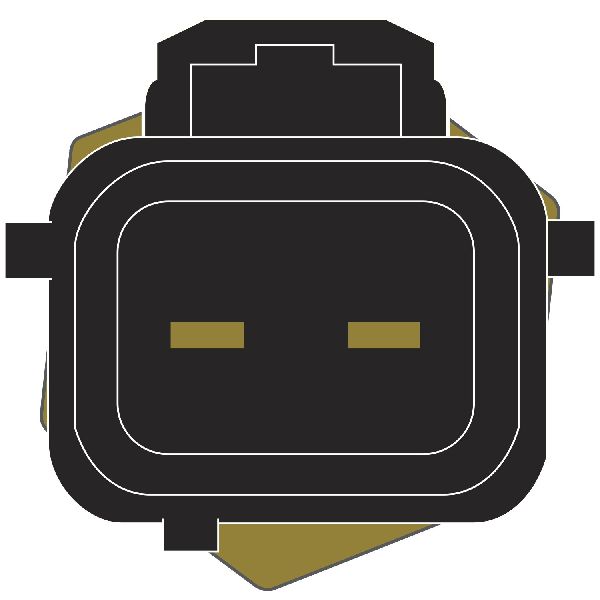
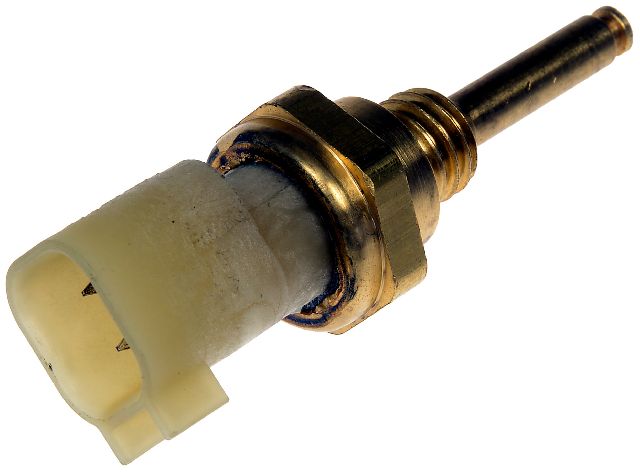
OEM Part Numbers: JX6Z-6G004-B JX6Z-6G004-A
Location: Cylinder Head, typically between center ignition coils. Required Tool: Deep 19mm (or 3/4") socket. Torque Spec: 106 in-lbs.
We Have This Part in Stock


The information in this article is provided for general reference and educational purposes only. Vehicle specifications, procedures, and part compatibility can vary by production date, trim level, and region. Always consult your vehicle's factory service manual and verify part numbers before purchasing or performing repairs. Safety-critical components such as airbags, seat belts, and braking systems should be installed by a qualified professional.
- Ford Transit Connect: