

Kia Forte Engine Crankshaft Position Sensor Guide (2010-2024)
Diagnose and replace a faulty crankshaft sensor on your Forte to fix stalling and no-start issues.
- A failing crankshaft sensor is a common cause of stalling, no-start, and poor performance in a 2010-2024 Kia Forte.
- Symptoms include a Check Engine Light (P0335), engine stalling (especially when warm), and difficulty starting.
- Replacement is a feasible DIY job for many, typically involving a single 10mm bolt and access from under the car.
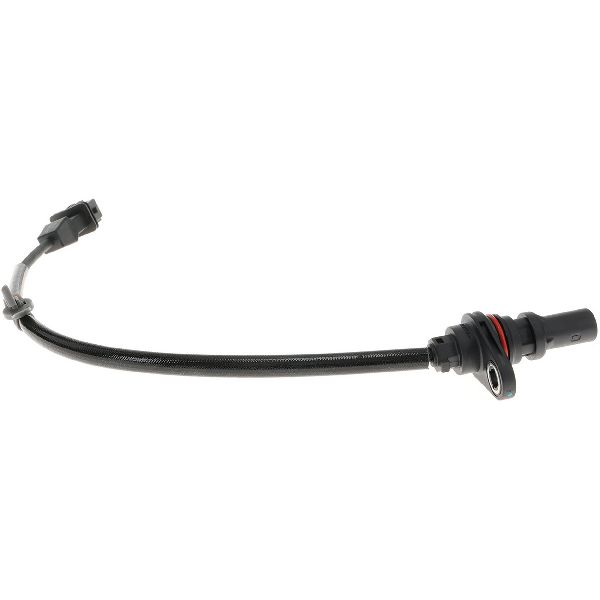
- Choosing a quality aftermarket brand like Mando, NGK, or Delphi is recommended to avoid premature failure.
Is Your Kia Forte Stalling or Not Starting?

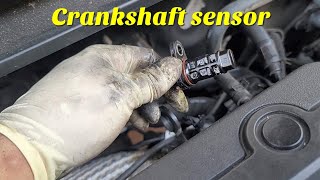
A failing crankshaft position sensor is a common problem on the Kia Forte that can leave you stranded. Symptoms often start small, like an occasional long crank time, 🎬 Watch this neighborly fix for a long crank issue. but can quickly lead to your engine stalling in traffic or refusing to start. This guide will help you understand the symptoms, choose the right aftermarket replacement part, and know what the replacement job involves.
Common Symptoms of a Bad Crankshaft Sensor

If your Forte's crankshaft sensor is failing, you will likely experience one or more of the following issues:
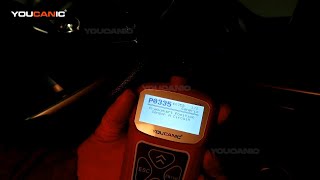
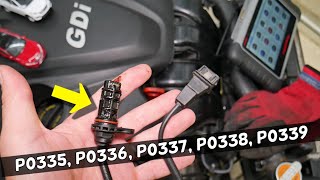
- Check Engine Light: The most common sign is an illuminated Check Engine Light. A code scanner will typically show codes like P0335, P0336, or P0339, all pointing to the crankshaft position sensor circuit. 🎬 See how to diagnose these specific fault codes.
- Engine Stalling: The engine may stall unexpectedly, especially after it has warmed up. This can be dangerous as it can happen while driving.
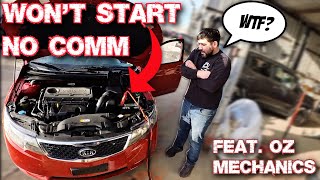
- Difficulty Starting or No Start: You may notice the engine takes longer than usual to start. As the sensor fails completely, the engine will crank but not start at all.
- Rough Idling and Engine Vibration: The engine may idle poorly, shake, or vibrate because the incorrect sensor signal is throwing off the engine's timing.
- Poor Acceleration: Your car may feel sluggish and lack power. In some cases, it may enter a "limp mode," where the engine won't rev above 3,000 RPM to prevent damage.
Related Engine Issues: Recalls and TSBs
While there are no specific recalls for the crankshaft position sensor itself, it's important to be aware of NHTSA recall 20V750. This recall affects certain 2012-2015 Forte models for potential engine bearing wear. It involves a software update for the Knock Sensor Detection System (KSDS). An underlying mechanical engine problem can sometimes trigger sensor-related fault codes, so ensure this recall has been performed on your vehicle by a Kia dealer.
Choosing the Right Aftermarket Sensor

When it comes to electronic sensors, quality matters. While an OEM sensor from a Kia dealer is an option, high-quality aftermarket parts can offer a balance of reliability and value. Some forum users and mechanics recommend sticking to OEM or the original equipment supplier to avoid issues with faulty new parts. Mando is a known original equipment supplier for Kia.
Here’s a breakdown of your options:
- Premium Aftermarket (e.g., NGK, Delphi, Hitachi, Beck Arnley, Mando): These brands have a strong reputation for producing reliable sensors that meet or exceed OEM specifications. They are a solid choice for a dependable, long-lasting repair.
- Standard Aftermarket (e.g., Standard Ignition, Dorman, Walker Products): These are well-known brands that offer a good balance of price and quality. They are a popular choice for DIY repairs.
- Economy Brands: While the low price is tempting, budget-friendly sensors can be a gamble. Some may fail prematurely or be dead-on-arrival, leading you to do the job twice.
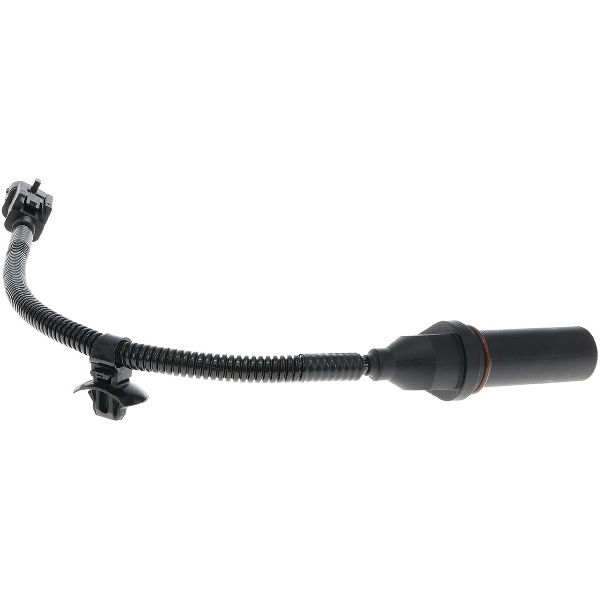
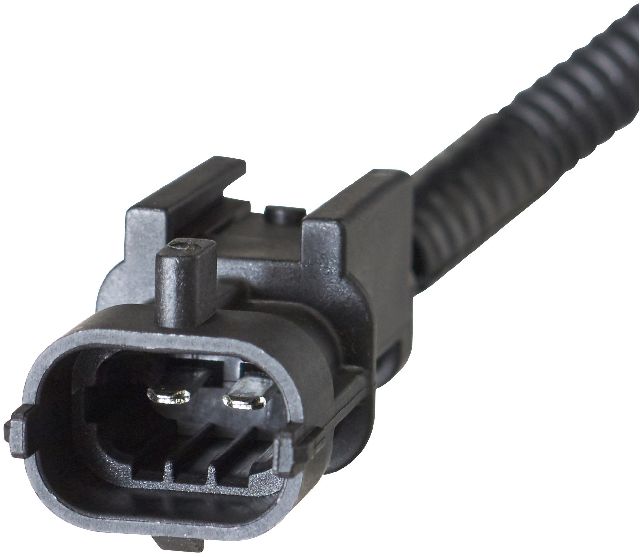
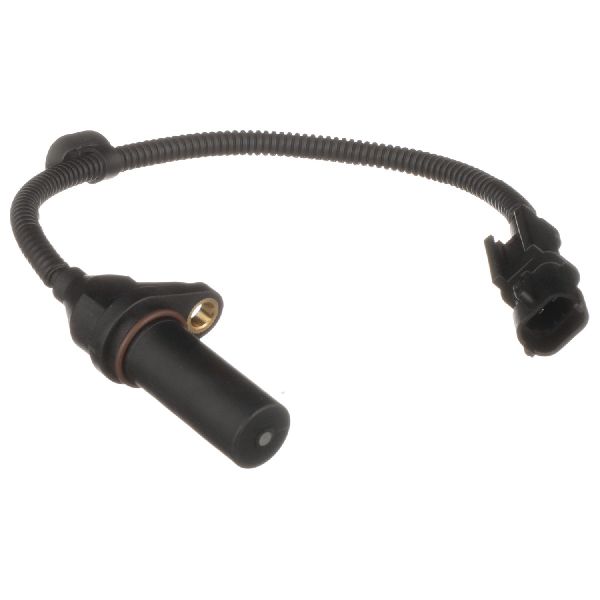
Pro Tip: Before installing a new sensor, compare it directly to the old one. Make sure the length, connector, and mounting bracket are identical to prevent installation problems.
Cost of Replacing the Crankshaft Position Sensor
| Item | Estimated Cost |
|---|---|
| New Aftermarket Part | $18 - $98 |
| New OEM Part | $70 - $145 |
| Shop Labor | $102 - $150 |
| Total (DIY) | $18 - $98 |
| Total (at a shop) | $174 - $275 |
Frequently Asked Questions (FAQ)

Is replacing the crankshaft sensor a DIY job?
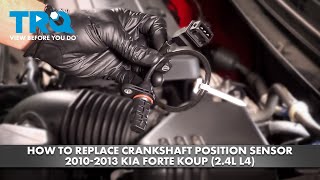
Yes, for most people with basic tools, this is a very feasible DIY project. The sensor is typically held in by a single 10mm bolt. The main challenge is access, as it's located in a tight spot on the engine block, often near the oil filter or transmission. 🎬 Watch this step-by-step replacement guide for the 2.4L engine. You will likely need to raise the front of the car and remove the lower engine splash shield.
Where is the crankshaft position sensor located on a Kia Forte?
The location varies slightly by engine and year, but it is generally on the engine block. On many 2.0L and 1.8L models, you can find it by looking near the oil filter from underneath the car. On some earlier 2.4L models, it may be at the rear of the engine, behind a small metal heat shield. The electrical connector is often accessible from the top of the engine bay.
Can I drive my Forte with a bad crankshaft sensor?
It is not recommended. The most dangerous symptom is sudden engine stalling, which can happen at any time and cause a loss of power steering and brakes. If the car enters a "limp mode," you may be able to drive a short distance to a repair shop, but you should do so with extreme caution.
Does a new crankshaft sensor need to be programmed or 'relearned'?
For most Kia models, a relearn procedure is not necessary after replacing the sensor. The ECU will typically adapt to the new sensor after you install it, clear the fault codes with a scanner, and start the engine. However, some sources mention a relearn procedure may be needed in rare cases.
Helpful Videos
Technical Specifications
OEM Part Numbers: 39180-2B000 39180-25300 39180-2S200 39180-2B030
The crankshaft position sensor is a magnetic hall-effect sensor that reads the teeth on a reluctor wheel on the crankshaft to determine engine speed and position. It is typically a 3-wire sensor with power, ground, and signal wires.
We Have This Part in Stock


The information in this article is provided for general reference and educational purposes only. Vehicle specifications, procedures, and part compatibility can vary by production date, trim level, and region. Always consult your vehicle's factory service manual and verify part numbers before purchasing or performing repairs. Safety-critical components such as airbags, seat belts, and braking systems should be installed by a qualified professional.
- Kia Forte: