

Subaru Legacy Engine Coolant Thermostat Guide (2010-2024)
Everything Legacy owners need to know about thermostat failure, replacement, and choosing the right aftermarket part.
- For 2010-2019 models, a failing thermostat causes overheating, underheating (P0128 code), or erratic temperatures.
- For 2020+ models with the 2.5L engine, check for the faulty Thermo Control Valve (TCV), which has an extended warranty.
- Stick to OEM or OEM-equivalent brands like Aisin and Beck Arnley for reliability in Subaru's sensitive cooling system.
- Properly bleeding air from the system after replacement is critical to avoid post-repair overheating.
Is Your Subaru Legacy Thermostat Failing?
A bad thermostat can cause serious problems for your Subaru Legacy, from poor performance to catastrophic engine damage. Knowing the signs of failure can help you address the issue before it gets worse. The most common failures are the thermostat sticking closed, causing overheating, or sticking open, preventing the engine from reaching operating temperature.
Key Symptoms of a Bad Thermostat:
- Engine Overheating: The temperature gauge climbs into the red zone, especially in traffic. This is the most serious symptom and is often caused by a thermostat stuck closed.
- Engine Not Warming Up: The temperature gauge stays on cold, and your heater blows cool air. This usually means the thermostat is stuck open. This can trigger a P0128 check engine light code.
- Erratic Temperature Gauge: The needle fluctuates between hot and cold, indicating the thermostat is not regulating temperature correctly.
- Coolant Leaks: You may see green or blue fluid leaking from the thermostat housing area, which is located where the lower radiator hose connects to the engine.
- Poor Heater Performance: If your heater isn't getting hot, it can be a sign that the engine isn't reaching the proper temperature because the thermostat is stuck open.
Special Note for 2019+ Legacy Models: The Thermo Control Valve (TCV)
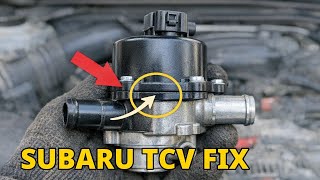
Starting around the 2020 model year, Subaru replaced the traditional thermostat with an electronic unit called the Thermo Control Valve (TCV) on the 2.5L engine. This part has a high failure rate, leading to a class-action lawsuit and a warranty extension from Subaru to 15 years or 150,000 miles. Failures often present with a lit-up dashboard, disabled EyeSight, and error codes like P26A3 or P26A5. If you have a 2020 or newer Legacy, check with a Subaru dealer about warranty coverage before attempting a repair.
🎬 Watch this video to learn about the TCV warranty extension.Choosing the Right Aftermarket Thermostat
While an OEM Subaru thermostat is always a safe bet, several high-quality aftermarket options are available that can offer excellent performance and value. Many Subaru owners and mechanics strongly recommend sticking as close to OEM as possible to avoid issues.
Brand Tiers for Your Subaru Legacy
- OEM Equivalent (Recommended): These brands are often the original equipment manufacturer for Subaru or are known for producing parts that meet or exceed OEM specifications. They are the most reliable choice for a stock vehicle.
- Aisin: Widely regarded as an OEM supplier for many Japanese automakers, including Subaru. Choosing an Aisin thermostat is very close to getting the genuine Subaru part.
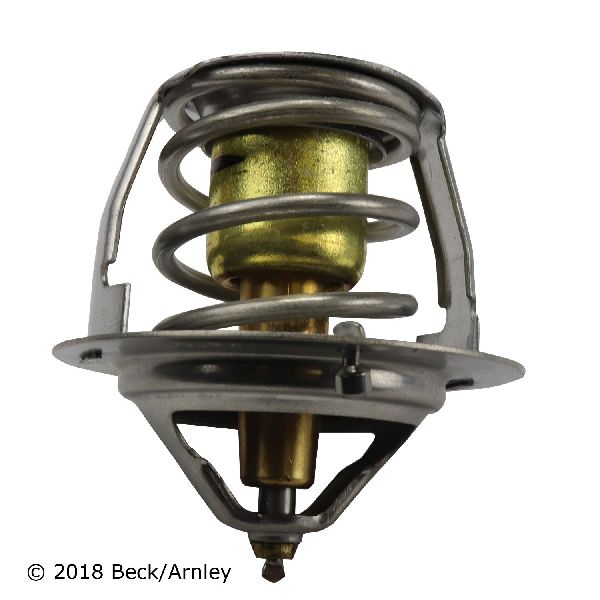
- Beck Arnley: This brand sources parts from various OEM suppliers. A Beck Arnley thermostat for your Legacy is likely a high-quality, re-boxed OEM part.
- Quality Aftermarket: These are reputable brands that offer a good balance of price and quality. They are a solid choice for most repairs.
- Gates: A well-known and trusted name in aftermarket parts, including cooling system components.
- Calorstat by Vernet: A reputable European brand known for quality thermostats.
- Performance Aftermarket: These are for modified vehicles and are not typically necessary for a daily-driven Legacy.
- Mishimoto: Offers thermostats that may open at a lower temperature, designed for performance or racing applications. Using one on a stock engine is not recommended as it can affect performance and trigger check engine lights.
- Standard / Budget: These brands meet basic requirements and can be a cost-effective solution, but may not have the same longevity or precise calibration as higher-tier options.
- Motorad: A common aftermarket brand.
- Facet: Another budget-friendly option.
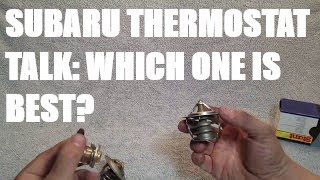
Pro Tip: Many forum users and mechanics report that Subaru cooling systems are sensitive. Spending a few extra dollars on an OEM or OEM-equivalent thermostat from a brand like Aisin can prevent future headaches 🎬 See why mechanics recommend specific thermostat brands for your Subaru. like overheating or check engine lights.
Cost of Replacing a Subaru Legacy Thermostat
| Part Type | Estimated Cost |
|---|---|
| New OEM | $30 - $45 |
| New Aftermarket | $15 - $69 |
| Shop Labor | $100 - $200 |
Frequently Asked Questions
Do I have to use Subaru's expensive blue coolant?
Yes, it is highly recommended. Subaru engines have specific cooling system requirements. Using Genuine Subaru Super Coolant (blue) is the best way to ensure proper corrosion protection for the aluminum engine and prevent issues. Aftermarket coolants that are specifically listed as "Asian Vehicle" blue, phosphate-enhanced (P-HOAT) are acceptable alternatives, but OEM is the safest choice.
My car is overheating after replacing the thermostat. What went wrong?
This is a common and frustrating problem. The most likely cause is air trapped in the cooling system. Subaru boxer engines can be tricky to "burp" or bleed air from. You may need a special spill-free funnel to properly fill the system and run the engine to work all the air out. Other possibilities include installing the thermostat backward or a faulty new part.
Should I replace the thermostat gasket at the same time?
Absolutely. Never reuse the old gasket. Most new thermostats come with a new gasket or seal. Using a new gasket is critical to prevent leaks from the housing after the job is done.
What is the P0128 code?
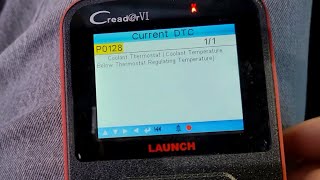
P0128 means "Coolant Temperature Below Thermostat Regulating Temperature." Essentially, the engine's computer has determined that the engine is not warming up as quickly as it should. The most common cause for this code is a thermostat that is stuck open. For some 2011-2012 models, Subaru issued a Technical Service Bulletin (TSB) for this code, which could sometimes be caused by driving patterns or small air pockets, and released a revised part to address it.
🎬 Learn how to diagnose and fix a P0128 trouble code.Helpful Videos
Technical Specifications
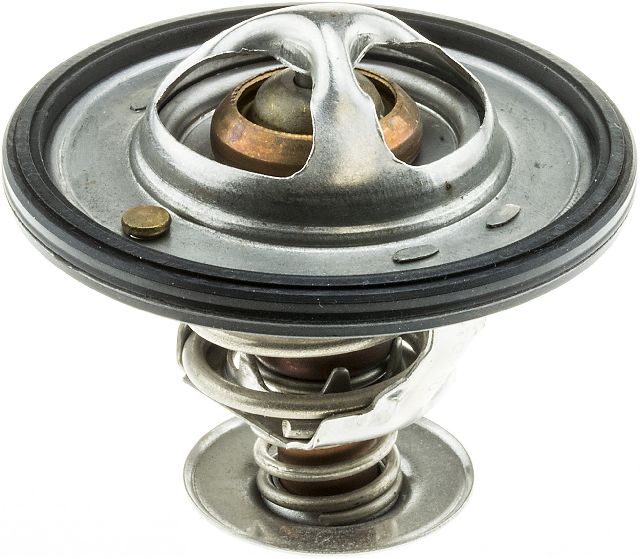
OEM Part Numbers: 21210AA260 21210AA181 21200AA070 21319AA010
Temperature rating varies by engine and year, but is typically 170°F, 189°F, or 192°F. Always verify the correct part for your specific vehicle. Later models (2020+) may use an electronic Thermo Control Valve (TCV) instead of a traditional thermostat.
We Have This Part in Stock


The information in this article is provided for general reference and educational purposes only. Vehicle specifications, procedures, and part compatibility can vary by production date, trim level, and region. Always consult your vehicle's factory service manual and verify part numbers before purchasing or performing repairs. Safety-critical components such as airbags, seat belts, and braking systems should be installed by a qualified professional.
- Subaru Legacy:
- 🎬 Helpful Videos
- 🛍️ Shop This Part
- Is Your Subaru Legacy Thermostat Failing?
- Key Symptoms of a Bad Thermostat:
- Special Note for 2019+ Legacy Models: The Thermo Control Valve (TCV)
- Choosing the Right Aftermarket Thermostat
- Brand Tiers for Your Subaru Legacy
- Cost of Replacing a Subaru Legacy Thermostat
- Frequently Asked Questions
- 🎟️ Get 5% Off