

GMC Terrain Engine Coolant Temperature Sensor: A Guide for 2010-2025 Models
Is your Terrain's temperature gauge acting up or is the cooling fan always on? Your coolant sensor might be the problem.
- A bad ECT sensor can cause a check engine light, poor fuel economy, and overheating.
- Common fault codes are P0117, P0118, and P0128.
- For OEM quality, choose ACDelco or Delphi; for a reliable alternative, consider Standard Motor Products or NGK.
- Replacement is a simple DIY job for most, taking about 30 minutes with basic tools.
Is Your Engine Coolant Temperature Sensor Failing?
A bad Engine Coolant Temperature (ECT) sensor can cause a surprising number of problems with your GMC Terrain. Because the engine's computer relies on this sensor for critical information, a faulty one can make the computer think the engine is hot when it's cold, or cold when it's hot. This leads to poor performance and can even cause damage if ignored. Here are the most common signs of failure.
🎬 Watch: Troubleshooting a sensor causing constant cooling fan operation.Choosing the Right Aftermarket Sensor
When replacing the ECT sensor on your Terrain, you don't have to buy the part from a dealership. Aftermarket parts can offer a great combination of quality and value. However, not all brands are created equal. Here’s how to choose the right one for your needs.
- Premium Aftermarket (OEM-Equivalent): Brands like ACDelco and Delphi are often the original equipment manufacturers for General Motors. Choosing one of these is the closest you can get to the original part that came with your Terrain. They are designed to meet GM's exact specifications for performance and durability.
- Quality Aftermarket: Brands such as NGK, Standard Motor Products (SMP), and Hella have a strong reputation for producing reliable electronic parts. They are an excellent choice, often providing OEM-level performance at a slightly lower cost. These brands perform extensive testing to ensure their sensors are accurate and long-lasting.
- Standard/Economy: Brands like Four Seasons, Walker Products, and Global Parts offer a budget-friendly option. For a simple and affordable part like an ECT sensor, these can be a good value for daily driving. While they may not have the same long-term reputation as premium brands, they meet basic fit and function requirements.
Pro Tip: Check the Connector
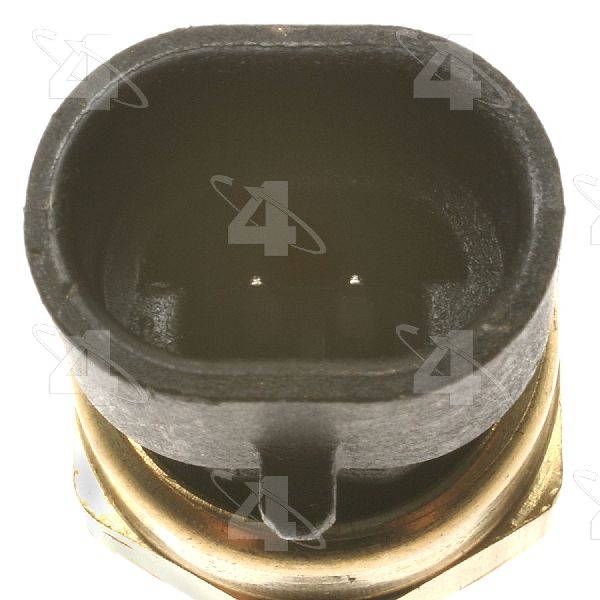
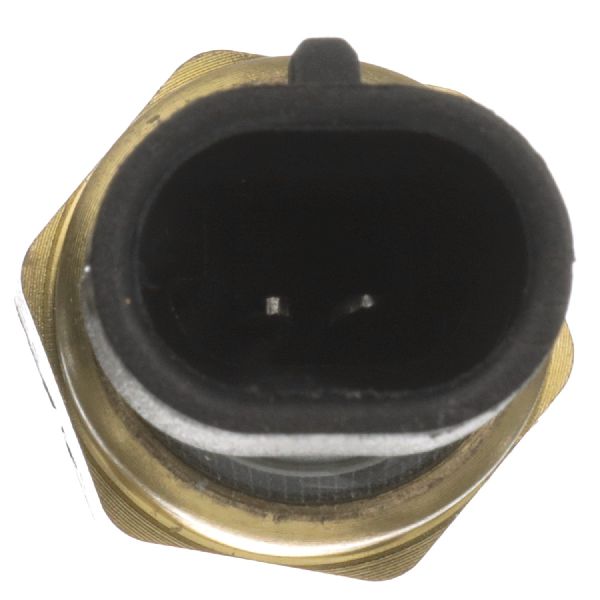
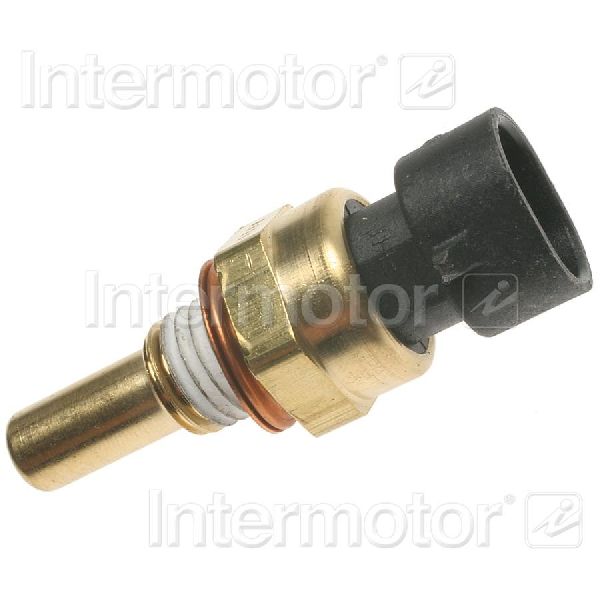
Before ordering, it's a good idea to look at your old sensor's electrical connector. Make sure the new part has the same shape and number of pins. Sometimes, you may also need to replace the connector pigtail if it's corroded or damaged.
Known Issues for the GMC Terrain
While there are no widespread recalls for this specific sensor, GMC has issued Technical Service Bulletins (TSBs) related to it.
TSB 17-NA-390 (2018 Models)
Some 2018 Terrain models could experience a check engine light with code P111E. This might also cause a "Power Steering Assist Reduced" message or make the A/C stop working. The bulletin suggests the problem could be a software issue in the engine computer, not always a bad sensor. The fix involves checking the sensor connector and potentially updating the computer's software at a dealership.
Cost of Replacing the Sensor
The cost to replace an ECT sensor is very reasonable, especially if you do it yourself. The part itself is inexpensive.
| Item | Estimated Cost |
|---|---|
| New OEM Sensor | $16 - $32 |
| New Aftermarket Sensor | $10 - $42 |
| Shop Labor | $95 - $180 |
| Total (Shop Repair) | $105 - $212 |
Frequently Asked Questions
Where is the ECT sensor located on my GMC Terrain?
The location varies by engine. On 2010-2017 2.4L models, it's typically found below the exhaust manifold. For the 3.0L and 3.6L V6 engines, it's located at the front of the engine, near the starter. 🎬 See this location and replacement guide for 3.6L V6 engines. On 2018 and newer 1.5L models, it is near the thermostat housing on the front-left side of the engine. Always consult a repair manual for your specific year and engine.
Can I replace the ECT sensor myself?
Yes, this is a DIY-friendly job for many home mechanics. It usually takes about 30 minutes. The main challenge is accessing the sensor, which can be in a tight spot. You'll need a deep socket wrench. Be prepared for some coolant to spill when you remove the old sensor.
What do the check engine codes P0117, P0118, and P0128 mean?
These are the most common codes for a bad ECT sensor. P0117 means the sensor circuit voltage is too low, telling the computer the engine is extremely hot. P0118 means the voltage is too high, telling the computer the engine is extremely cold. P0128 means the engine isn't warming up as quickly as it should, which often points to a faulty thermostat but can also be caused by the ECT sensor.
🎬 Watch: How to fix code P0128 by replacing the thermostat.Do I need to drain the coolant to replace the sensor?
You don't have to drain the entire system. However, the sensor sits in a coolant passage, so when you unscrew it, coolant will leak out. To minimize the mess, you can either partially drain the system or be quick about swapping the old sensor for the new one. It's a good idea to have a catch pan ready and some extra coolant to top off the system afterward.
Helpful Videos
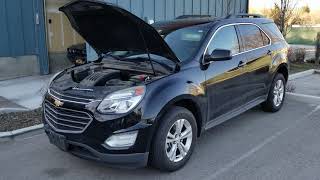

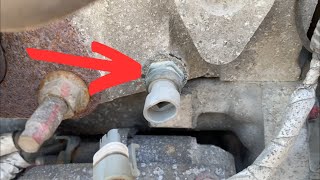
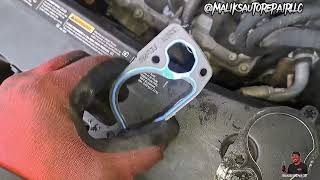
Technical Specifications
OEM Part Numbers: 25186240 12608814
Typically a 2-pin, screw-in brass sensor with an oval electrical connector. Thread size is often 3/8" NPT for GM applications.
We Have This Part in Stock


The information in this article is provided for general reference and educational purposes only. Vehicle specifications, procedures, and part compatibility can vary by production date, trim level, and region. Always consult your vehicle's factory service manual and verify part numbers before purchasing or performing repairs. Safety-critical components such as airbags, seat belts, and braking systems should be installed by a qualified professional.
- GMC Terrain: