

Your Guide to the 2011-2014 Mazda 2 Engine Coolant Temperature Sensor
Solving overheating, poor fuel economy, and check engine lights on your Mazda 2.
- Verify the location of the failed sensor before buying; your Mazda 2 may have one on the engine and one in the radiator.
- Symptoms include a check engine light, poor gas mileage, overheating, and rough idling.
- Replacement is an easy DIY job that takes less than 30 minutes.
- Choose a quality aftermarket brand like Delphi, Standard Ignition, or Beck Arnley for best results.
Is Your Mazda 2's Coolant Temp Sensor Failing?
A bad Engine Coolant Temperature (ECT) sensor can cause a surprising number of problems in your 2011-2014 Mazda 2. Because the sensor provides critical data to the engine computer, a false signal can make the car run poorly. You might notice one or more of these issues, which can appear gradually or all at once.
🎬 Watch: 8 common symptoms of a bad coolant temperature sensor.Key Failure Symptoms
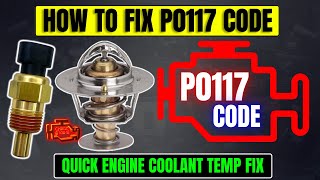
- Check Engine Light: This is often the first sign. A scanner will typically show codes like P0115, P0116, P0117, P0118, or P0128. 🎬 See how to diagnose and solve a P0117 trouble code.
- Poor Fuel Economy: If the sensor wrongly tells the computer the engine is cold, the computer will inject extra fuel, hurting your gas mileage.
- Engine Overheating or Fans Not Working: A bad sensor might fail to trigger the radiator fans when the engine gets hot. Conversely, the fans might run all the time, even when the engine is cold.
- Black Smoke from Exhaust: This is a sign of the engine running too rich (too much fuel), which can be caused by a bad ECT sensor sending a constant "cold" signal.
- Rough Idle and Hard Starting: The wrong fuel and timing adjustments can make your engine run rough, stall, or be difficult to start.
- Inaccurate Temp Gauge: The gauge on your dashboard may act erratically, stay on cold, or jump to hot unexpectedly.
Important: Two Possible Sensor Locations
The 2011-2014 Mazda 2 can have two different coolant temperature sensors. One is located on the engine itself, often near the thermostat housing. The other is located on the bottom of the radiator. 🎬 Watch this guide to access the radiator and sensor area. The OEM part number ZYE9-18-840 specifically refers to the sensor at the radiator. Before ordering, you must identify which sensor has failed and needs replacement. A diagnostic scan tool can often specify which sensor circuit is having a problem.
Choosing the Right Aftermarket Sensor
While a dealership can provide an OEM (Original Equipment Manufacturer) part, aftermarket options offer a wider range of prices. For a critical sensor like this, quality matters. Cheaper parts can be inaccurate, leading to continued performance issues. Here’s a breakdown of the available brands.
Tier 1: High-Quality Aftermarket
These brands are known for quality engineering and are often trusted as OEM suppliers for various carmakers. For a critical sensor, choosing from this tier is a safe bet.
- Delphi: A well-respected brand with a strong reputation in automotive electronics.
- Standard Ignition (SMP): Generally considered a solid, reliable choice by professionals.
- Hella: A German brand with a long history of producing quality automotive components.
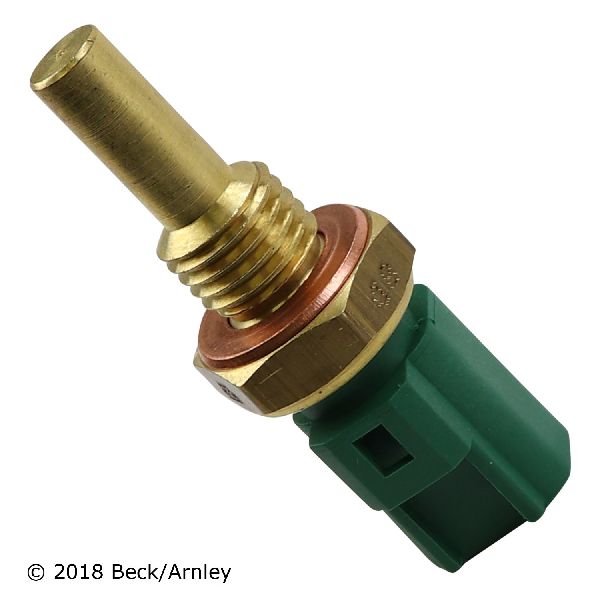
- Beck Arnley: This brand specializes in parts for import vehicles and often sources from OEM suppliers, though it's always good to verify the specific part.
Tier 2: Standard Aftermarket
These brands provide a balance of value and reliability and are a good option for many repairs.
- Holstein: A common aftermarket brand offering a wide range of sensors.
- Vemo: Another German aftermarket brand offering a variety of electronic parts.
- Motorad: Known primarily for cooling system components like thermostats, their sensors are a viable option.
Tier 3: Value-Focused
These brands focus on affordability. While functional, they may not have the same longevity or precise calibration as higher-tier options.
- Global Parts
Pro Tip: When replacing a sensor, it's a good idea to inspect the electrical connector for corrosion or damage. A bad connection can mimic the symptoms of a failed sensor.
Cost of Replacing the Sensor
The cost to replace the ECT sensor on a 2011-2014 Mazda 2 is relatively low. The part itself is inexpensive, and labor is minimal due to easy access.
| Part/Service | Estimated Cost |
|---|---|
| New OEM Sensor | $60 - $80 |
| New Aftermarket Sensor | $13 - $97 |
| Shop Labor | $50 - $100 |
| Total DIY Cost (Aftermarket) | $13 - $97 |
| Total Professional Replacement | $75 - $200 |
Frequently Asked Questions
Is it hard to replace the Mazda 2's coolant temp sensor?
No, this is considered an easy DIY job. It typically takes less than 30 minutes. The sensor simply unscrews from the engine or radiator. You will need a deep socket wrench. Be sure the engine is completely cool before starting, and have a drain pan ready to catch any spilled coolant.
Where is the ECT sensor located on the 2011-2014 Mazda 2?
There are two possible locations. One sensor is on the engine block, near the valve cover and thermostat area. The other is screwed into the bottom of the radiator. You must correctly identify which sensor needs to be replaced before buying the part.
Are there any recalls for this part?
No, there are no recalls or specific Technical Service Bulletins (TSBs) from Mazda or the NHTSA for the engine coolant temperature sensor on the 2011-2014 Mazda 2.
Should I buy an OEM or aftermarket sensor?
For a critical part like the ECT sensor, a high-quality aftermarket brand like Delphi, Standard Ignition, or Beck Arnley offers a reliable alternative to the more expensive OEM part. Avoid the cheapest options, as they can be inaccurate and cause continued engine problems.
Helpful Videos
![How to Fix P0117 Engine Code in 3 Minutes [2 DIY Methods / Only $7.43]](https://img.youtube.com/vi/0PE930ETa4Y/mqdefault.jpg)
Technical Specifications
OEM Part Numbers: ZYE9-18-840
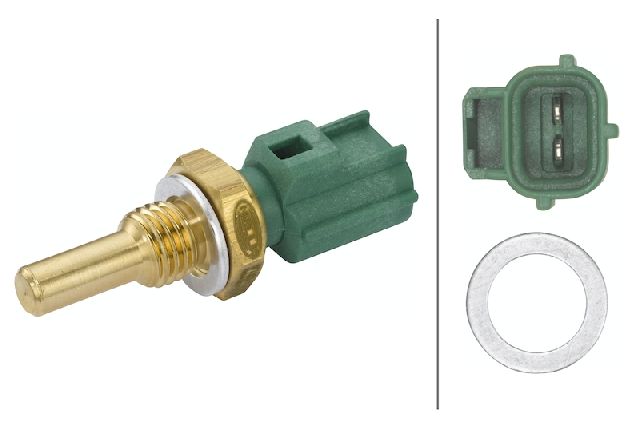
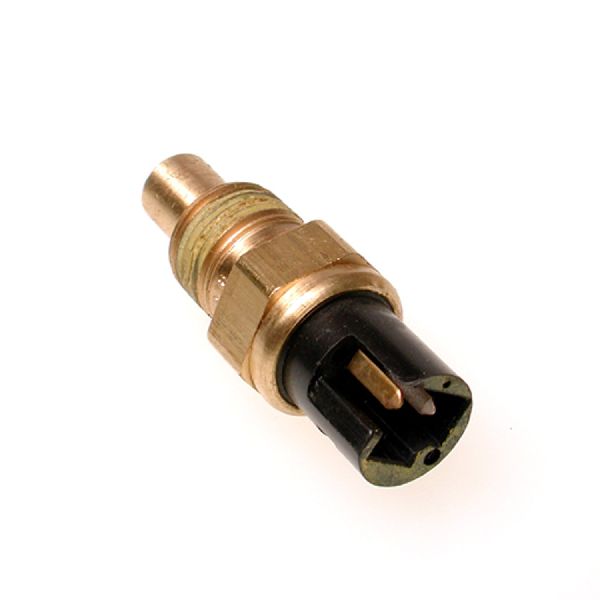
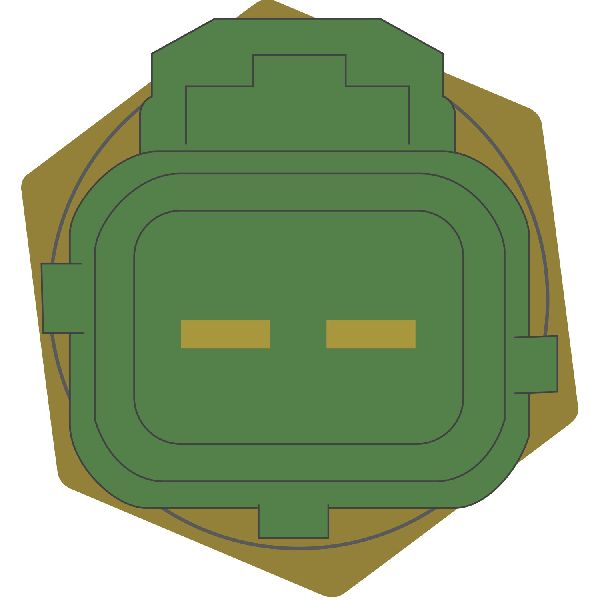
Terminal Type: 2-Blade Connector. Note: Part number ZYE9-18-840 is for the sensor located at the radiator for automatic transmission models.
We Have This Part in Stock


The information in this article is provided for general reference and educational purposes only. Vehicle specifications, procedures, and part compatibility can vary by production date, trim level, and region. Always consult your vehicle's factory service manual and verify part numbers before purchasing or performing repairs. Safety-critical components such as airbags, seat belts, and braking systems should be installed by a qualified professional.
- Mazda 2: