

Audi A4 Manifold Absolute Pressure (MAP) Sensor Guide for 2011-2015
Experiencing poor acceleration or a check engine light in your A4? Your MAP sensor could be the reason.
- A faulty MAP sensor often causes a P0106 trouble code, but always check for vacuum leaks before replacing the part.
- Bosch is the original equipment manufacturer (OEM); choosing this brand for your aftermarket replacement is the most reliable option.
- Replacement is a simple DIY task requiring only a T20 Torx driver and about 30 minutes.
- Symptoms like poor acceleration and rough idle are common and should not be ignored to avoid long-term engine issues.
Symptoms of a Failing MAP Sensor
A bad MAP sensor can cause noticeable problems with how your A4 drives. The most common sign is the check engine light appearing on your dashboard. You might experience sluggish acceleration, a loss of power, or hesitation when you press the gas pedal. Other symptoms include a rough idle, poor fuel economy, and in some cases, black smoke from the exhaust.
Check for Vacuum Leaks First
The primary trouble code for a MAP sensor issue is P0106. However, this code can also be triggered by a vacuum leak from a cracked or loose hose. Before replacing the sensor, it's wise to inspect all vacuum lines connected to the intake manifold for damage.
Choosing the Right Aftermarket MAP Sensor
When it comes to critical engine sensors for your Audi, not all aftermarket brands are created equal. Quality can vary significantly, and choosing the wrong part can lead to persistent problems.
- Top Tier (OEM): Bosch is the Original Equipment Manufacturer (OEM) for this sensor. This means a Bosch-branded sensor is identical in quality and performance to the part you would buy from an Audi dealer, but usually at a lower cost. For best results and to avoid compatibility issues, choosing Bosch is the safest bet.
- Mid Tier: Brands like Standard Ignition are generally considered reliable mid-tier options. They offer a balance of quality and price, though they are not the original manufacturer for this specific part.
- Economy Tier: Brands such as Walker Products and Global Parts are often more budget-friendly. While they are designed to meet original specifications, some owners of German vehicles prefer to stick with the OEM brand for sensitive electronics to ensure perfect communication with the car's computer.
Pro Tip: Match Your Part Number
The most common OEM part number for the 2011-2015 Audi A4 is 038906051C. Always verify this number on your existing sensor before ordering a replacement to guarantee a perfect fit.
Cost of Replacing the MAP Sensor
The cost to replace the MAP sensor on your A4 depends on the part you choose and whether you do the work yourself. The job is simple enough for most DIY mechanics.
| Part/Service | Estimated Cost |
|---|---|
| New OEM (Audi Branded) | $135 - $190 |
| New Aftermarket (Bosch, etc.) | $35 - $105 |
| Shop Labor | $50 - $100 |
Frequently Asked Questions
Where is the MAP sensor located on my 2011-2015 Audi A4?
The MAP sensor is on the driver's side of the engine bay. You will find it mounted on the plastic intake charge pipe that runs from the intercooler up to the throttle body. It is held in place by two small screws.
Is this a difficult part to replace myself?
No, this is a very DIY-friendly repair. The only tools needed are a T20 Torx screwdriver or socket to remove the two mounting screws. The process involves unplugging the electrical connector, removing the screws, swapping the sensor, and re-installing. It can typically be done in under 30 minutes.
Can I just clean my old MAP sensor?
Sometimes, cleaning a MAP sensor with a dedicated electronic or MAF sensor cleaner can resolve issues if it's merely dirty. However, if the sensor's internal electronics have failed, cleaning will not help and replacement is the only solution.
Are there any recalls for the Audi A4 MAP sensor?
No, searches of the National Highway Traffic Safety Administration (NHTSA) database show no recalls specifically for the MAP sensor on the 2011-2015 Audi A4.
Technical Specifications
OEM Part Numbers: 038906051C 038906051N 038906051R 038906051T
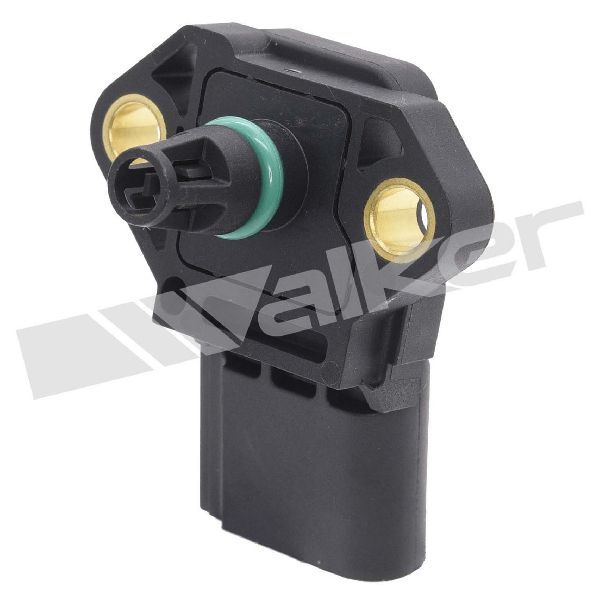
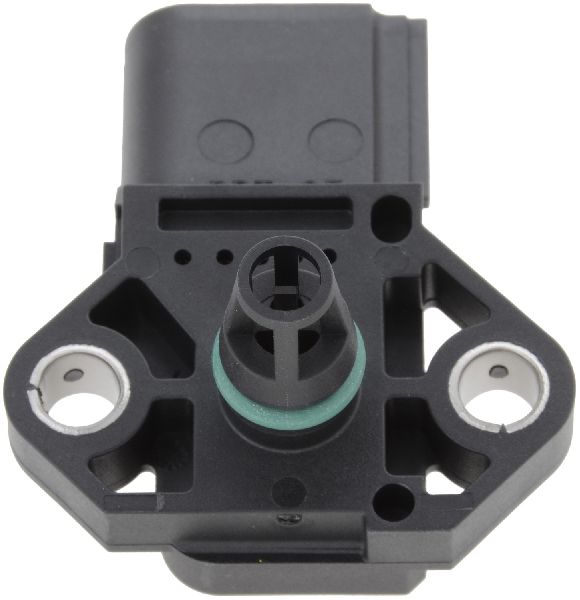
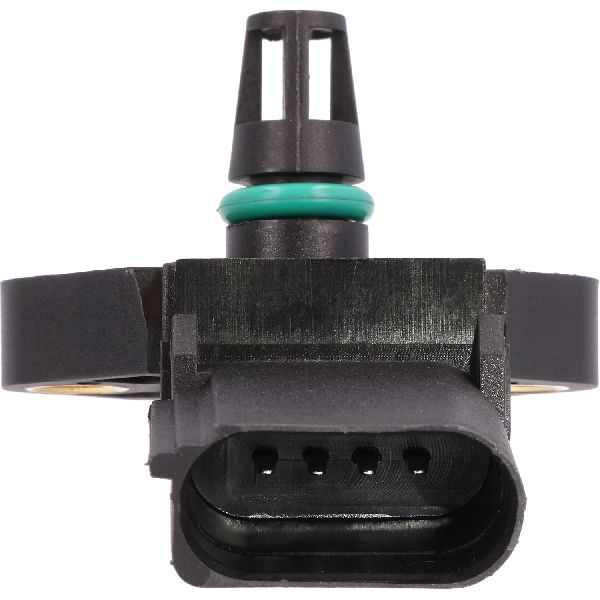
3-Bar Sensor, 4-pin connector, mounts with two T20 Torx screws.
We Have This Part in Stock


The information in this article is provided for general reference and educational purposes only. Vehicle specifications, procedures, and part compatibility can vary by production date, trim level, and region. Always consult your vehicle's factory service manual and verify part numbers before purchasing or performing repairs. Safety-critical components such as airbags, seat belts, and braking systems should be installed by a qualified professional.
- Audi A4: