

Catalytic Converter Guide for the 2011-2015 Chevrolet Impala
Dealing with a P0420 code or a loud exhaust? Here's what you need to know before buying a new catalytic converter for your Impala.
- A P0420/P0430 code does not always mean the converter is bad; diagnose exhaust leaks and O2 sensors first.
- Check for a cracked weld on the front converter flange, a known TSB issue (17-NA-321) on the 3.6L engine.
- Aftermarket quality varies; brands like MagnaFlow and Walker are trusted, while cheaper options may not last as long.
- You must fix the root cause of failure (e.g., engine misfires, oil consumption) before replacing the converter.
Is Your Impala's Catalytic Converter Failing?

A failing catalytic converter can cause more than just a Check Engine Light. Because the 2011-2015 Impala uses the 3.6L V6 engine, it has two main catalytic converters. A problem with either one can cause noticeable issues. It's important to address these symptoms to avoid failing an emissions test and to prevent potential engine damage from a clogged exhaust.
Common Symptoms of a Bad Converter:
- Check Engine Light: The most common sign is a Check Engine Light with code P0420 or P0430. These codes mean the converter's efficiency is below the required threshold.
- Reduced Power: If the converter is clogged, it creates backpressure that chokes the engine. Your Impala might feel sluggish, hesitate during acceleration, or struggle to get up to speed.
- Rotten Egg Smell: A distinct sulfur smell from the exhaust pipe is a classic sign that the converter isn't properly processing unburned fuel.
- Rattling Noise: A rattling sound from under the car, especially on startup, can mean the ceramic honeycomb inside the converter has broken apart.
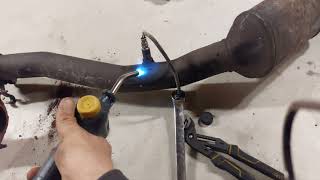
- Loud Exhaust Noise: A known issue on these Impalas is a crack in the pipe right at the weld on the mounting flange of the front (Bank 2) converter. This causes a loud exhaust leak before the gases even enter the converter. GM issued a Technical Service Bulletin (TSB 17-NA-321) for this problem. 🎬 Watch a step-by-step Impala downpipe and converter replacement guide.
Always Diagnose First!
A P0420 or P0430 code doesn't automatically mean you need a new converter. Always check for other issues first, such as exhaust leaks, faulty oxygen sensors, or engine misfires, which can trigger the same codes. Fixing the root cause is essential; otherwise, you risk damaging the new converter.
Choosing the Right Aftermarket Converter

When replacing the converter on your Impala, you'll find many aftermarket options. They are generally much cheaper than OEM parts, but quality and longevity can vary. Aftermarket brands often use less of the precious metals needed for the chemical reaction, which can sometimes lead to the Check Engine Light returning.
Brand Tiers for Your Impala:
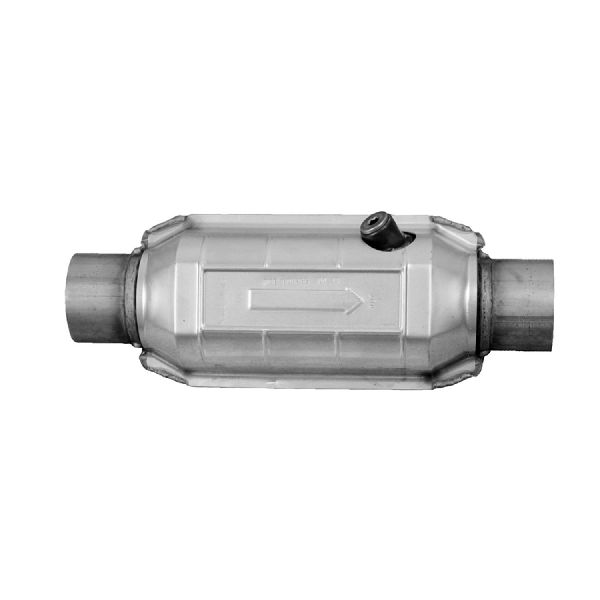
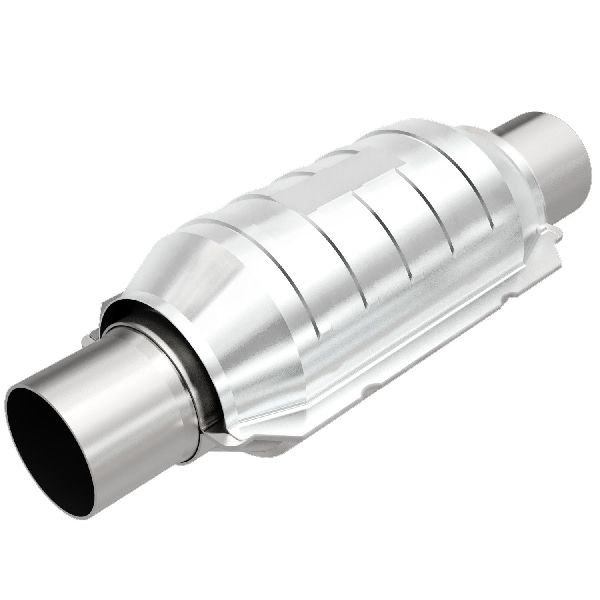
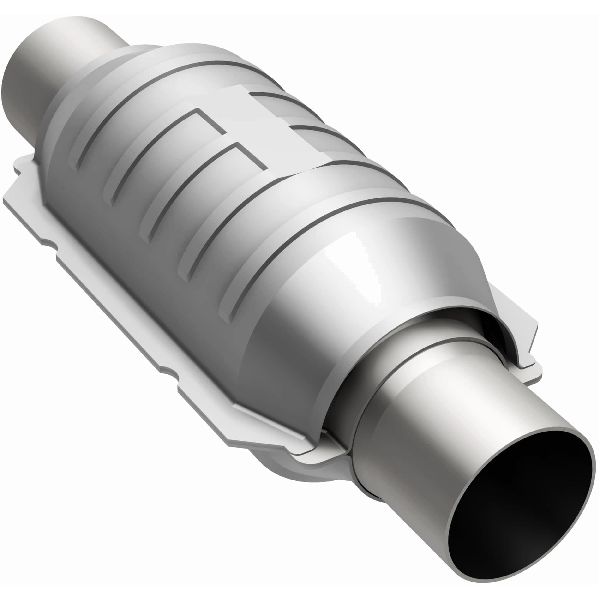
- Higher-Tier (Better Quality & Performance): Brands like MagnaFlow are well-regarded for their construction and performance. They often use designs that improve exhaust flow, which can help with engine responsiveness, but they come at a higher price. They are a trusted choice for many mechanics.
- Mid-Tier (Good Value & Reliability): Walker Exhaust is another trusted brand known for providing a good balance of quality and price. They focus on reliable, OE-style function and are a solid choice for daily driving. Forum users have reported good experiences with Walker for passing inspections.
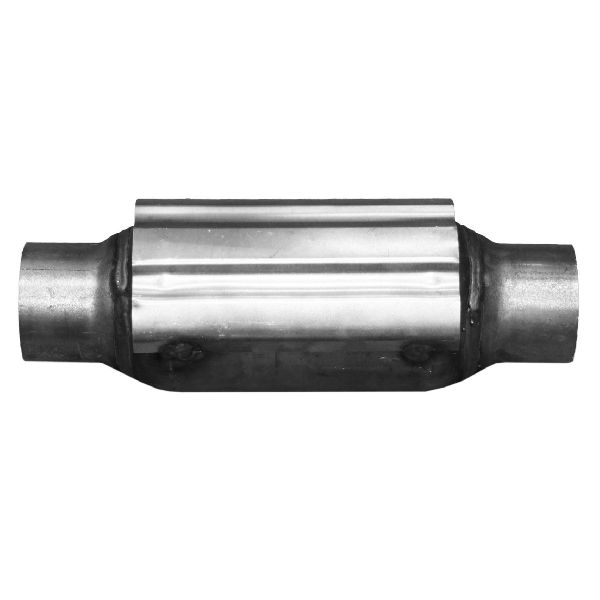
- Economy-Tier (Budget-Focused): Brands like AP Exhaust, Eastern Catalytic, and Davico offer more budget-friendly options. While they can get you back on the road and pass an initial emissions test, they may not last as long as higher-tier options due to lower precious metal content. Eastern Catalytic is sometimes noted for offering a better warranty than other budget options.
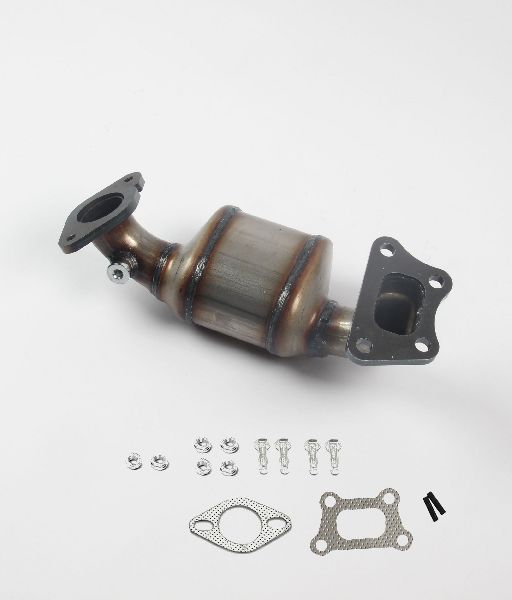
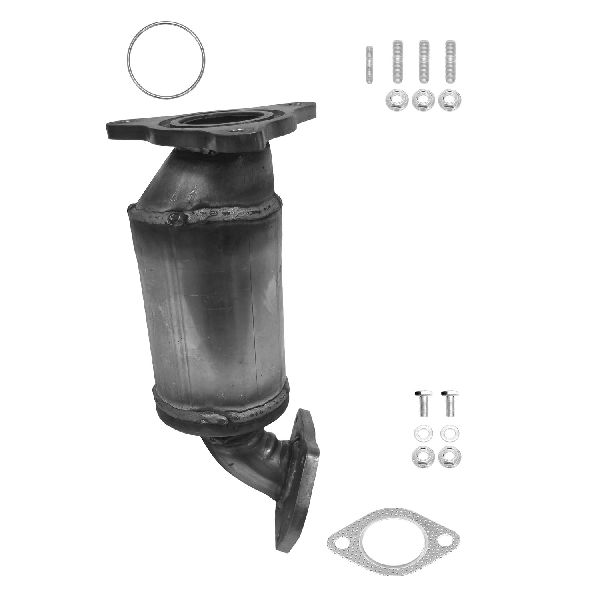
Direct Fit vs. Universal Fit: For your Impala, a "Direct Fit" converter is strongly recommended. These are designed to bolt directly into your existing exhaust system with minimal or no modifications. A "Universal Fit" converter is cheaper but will require cutting and welding to install, adding to labor costs.
Cost to Replace a 2011-2015 Impala Catalytic Converter

The cost can vary significantly based on the part you choose and who does the labor. OEM parts are by far the most expensive. Aftermarket parts offer a wide price range, as reflected in the table below.
| Part Type | Estimated Cost |
|---|---|
| New OEM | $2,100 - $2,200+ |
| New Aftermarket | $135 - $871 |
| Shop Labor | $110 - $250 |
Frequently Asked Questions

Is there a recall on the catalytic converter for the 2011-2015 Impala?
There is no direct recall for the catalytic converter itself. However, there was a safety recall (NHTSA #11V398) for certain 2012 Impalas where the power steering hose was routed too close to the converter, creating a fire risk due to heat. Additionally, GM did extend the warranty on catalytic converters for some models to 10 years or 120,000 miles, so it may be worth checking with a dealer.
Why did my original converter fail?
Catalytic converters usually fail because of another problem. Common causes include engine misfires dumping unburned fuel into the exhaust, burning oil or coolant which contaminates the catalyst, or a physical failure like the cracked flange weld common on the 3.6L engine. You must fix the underlying issue before installing a new part.
Do I need to replace my oxygen sensors at the same time?
It is often recommended. Old, slow-reacting oxygen sensors can't provide the accurate readings the engine computer needs to run efficiently, which can contribute to converter failure. Replacing them with the converter ensures the whole system is working correctly.
Can I install a catalytic converter myself?
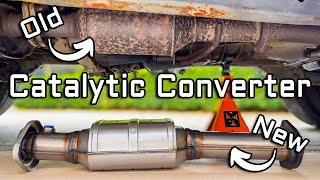
If you purchase a direct-fit converter, replacement is a bolt-on job that a skilled DIYer can perform. However, it involves working under the car with potentially rusted and difficult-to-remove bolts. Penetrating oil and heat are often necessary. If you are not comfortable with this, professional installation is recommended.
🎬 See how to replace a catalytic converter in this DIY tutorial.Helpful Videos
Technical Specifications
OEM Part Numbers: 22740666
The 2011-2015 Impala with the 3.6L V6 engine uses two main catalytic converters integrated into the exhaust manifolds (one for each cylinder bank).
We Have This Part in Stock

The information in this article is provided for general reference and educational purposes only. Vehicle specifications, procedures, and part compatibility can vary by production date, trim level, and region. Always consult your vehicle's factory service manual and verify part numbers before purchasing or performing repairs. Safety-critical components such as airbags, seat belts, and braking systems should be installed by a qualified professional.
- Chevrolet Impala:
- 🎬 Helpful Videos
- 🛍️ Shop This Part
- Is Your Impala's Catalytic Converter Failing?
- Common Symptoms of a Bad Converter:
- Always Diagnose First!
- Choosing the Right Aftermarket Converter
- Brand Tiers for Your Impala:
- Cost to Replace a 2011-2015 Impala Catalytic Converter
- Frequently Asked Questions
- 🎟️ Get 5% Off