

A Guide to the 2011-2015 Dodge Durango Transfer Case Motor
If you're seeing a "Service 4WD" light or can't shift drive modes, your transfer case motor may be the problem.
- The most common signs of failure are a 'Service 4WD' light and the inability to shift between drive modes.
- Before replacing the motor, check for software updates (TSB #21-003-13) and inspect vehicle electrical grounds, as these can cause similar issues.
- Aftermarket motors offer significant savings over the very expensive OEM Mopar part, making them the practical choice for this repair.
- Replacement is straightforward for a DIYer, requiring only basic tools and about an hour of work.
Is Your Durango's 4WD System Acting Up?

A failing transfer case motor is a common issue on the 2011-2015 Dodge Durango. The symptoms are usually hard to ignore and directly impact your ability to use the four-wheel-drive system. Recognizing the signs early can help you get the right fix without unnecessary diagnostics.
Common Symptoms of a Bad Transfer Case Motor
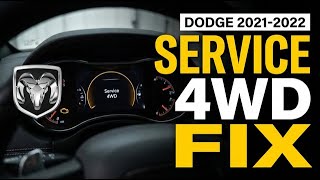
- "Service 4WD" Light: This is the most common indicator. The dashboard warning light will illuminate when the vehicle's computer detects a problem with the 4WD system, often pointing to a fault in the motor or its connection. 🎬 Watch: Troubleshooting the Service 4WD light and common fault codes.
- Inability to Shift Drive Modes: You may find that pressing the 4WD buttons does nothing. The system will not shift between 2WD, 4-High, or 4-Low, leaving you stuck in whatever mode it failed in.
- Getting Stuck in 4-Low: A particularly frustrating symptom is the transfer case getting stuck in 4-Low. This limits your vehicle's speed and makes tight turns difficult, rendering it almost undriveable on pavement.
- Uncommanded Shifting: In some serious cases, the transfer case can shift on its own without you pressing the button, even at highway speeds. This is a major safety concern that requires immediate attention.
- Grinding or Clunking Noises: You might hear mechanical noises from underneath the vehicle as the motor struggles or fails to engage the transfer case gears properly.
A Note on Known Issues & TSBs
While there is no active recall for the transfer case motor on these Durangos, Chrysler did issue a Technical Service Bulletin (TSB #21-003-13) for "Transfer Case Operational Enhancements". This involved a software update for the Drivetrain Control Module (DTCM). Before replacing the motor, it may be worthwhile to have a dealer check if your vehicle's software is up to date, as this can sometimes resolve erratic behavior. Additionally, some owners have traced similar electrical issues to bad grounding points on the vehicle's frame and engine. Checking these simple connections first can sometimes save you the cost of a new part.
Aftermarket vs. OEM Transfer Case Motors

When it's time to replace the motor, you'll face a choice between a new OEM part from Mopar or an aftermarket version. For this specific part, the price difference is huge. A new Mopar motor can have an MSRP of over $1,200, with typical online prices between $810 and $895. Aftermarket motors are available for a fraction of that cost, making them the go-to choice for most owners.
Choosing the Right Aftermarket Brand
Not all aftermarket brands are created equal. Here’s a breakdown of the common options for your Durango:
- Premium Aftermarket (e.g., Standard Ignition): Brands like Standard Motor Products (SMP) have a strong reputation for producing high-quality components that often meet or exceed original specs. They are a reliable choice if you want quality that is close to OEM without the high price tag.
- Standard Aftermarket (e.g., Dorman, Crown Automotive): Dorman is one of the most common aftermarket brands and states their motor is 100% new, not remanufactured. Crown is a well-known name in the Jeep world, and since the Durango shares its platform with the Grand Cherokee, their parts are often a good fit. These brands offer a good balance of price and quality for a daily driver.
- Economy Aftermarket (e.g., URO Parts): Brands like URO Parts are typically the most budget-friendly. While they can get the job done, they may not have the same durability or quality control as the higher-tiered options. This might be a choice for a vehicle you don't depend on daily or if the budget is the primary concern.
| Part Type | Estimated Cost |
|---|---|
| New OEM (Mopar) | $810 - $1265 |
| New Aftermarket | $292 - $335 |
| Shop Labor | $100 - $225 |
Pro Tip: Installation
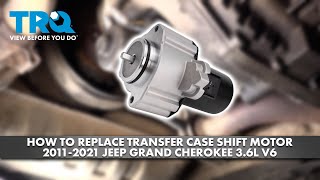
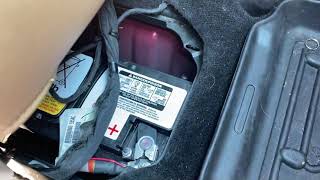
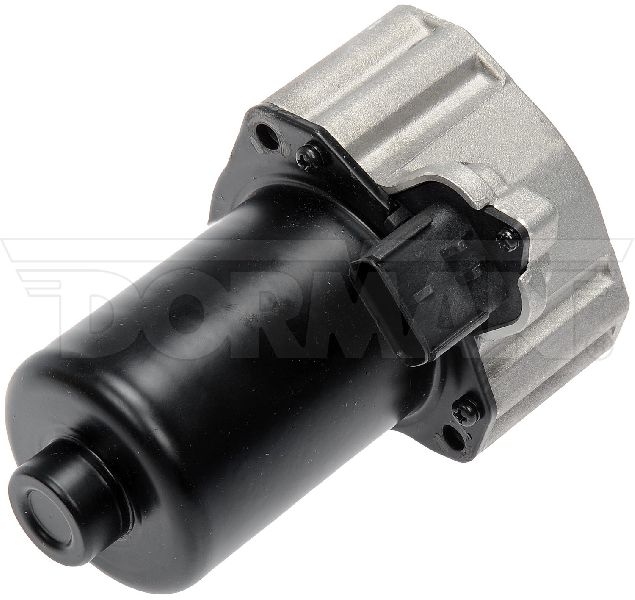
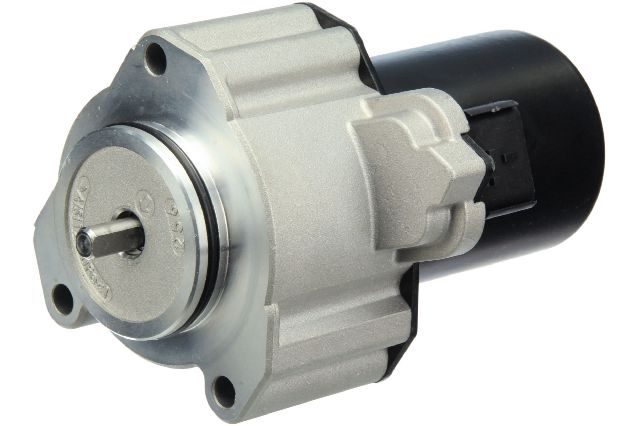
Replacing the transfer case motor is a job that a confident DIYer can handle. The motor is mounted externally to the transfer case with three bolts and has a single electrical connector. The job typically takes about an hour and requires basic hand tools. 🎬 See this step-by-step walkthrough for replacing the shift motor. Before starting, it's a good practice to have the transfer case in neutral and disconnect the battery.
Frequently Asked Questions

Can I still drive my Durango with a bad transfer case motor?
Yes, but with caution. If the vehicle is stuck in 2WD or 4WD Auto/High, you can generally drive it normally to a repair shop. However, if it is stuck in 4-Low, you should not exceed low speeds (under 25 mph) and avoid driving on dry pavement, as this can damage the drivetrain. If the motor is shifting on its own, it is not safe to drive.
Do I need to program the new transfer case motor?
No. The transfer case motor itself is a direct-replacement part and does not require programming. You simply bolt it on and plug it in. However, if the underlying issue was related to the control module, a software flash from the dealer might still be needed as mentioned in TSB #21-003-13.
What is the difference between the transfer case motor and the control module?
The Transfer Case Control Module (TCCM or DTCM) is the computer or 'brain' that receives the signal from your in-cab switch and decides when to shift. It then sends a command to the transfer case motor, which is the physical 'muscle' that performs the shift. While the motor is a more common failure point, a faulty module can cause similar symptoms.
🎬 Watch: How to locate and replace the transfer case control module.Why is the OEM Mopar motor so expensive?
Original Equipment Manufacturer (OEM) parts are often significantly more expensive than aftermarket alternatives. This is due to the manufacturer's branding, extensive validation process, and dealership supply chain costs. For a part like this, the extreme price difference makes aftermarket options a very practical choice for most owners.
Helpful Videos
Technical Specifications
OEM Part Numbers: 68071235AC 68071235AD 68071235AB 68071235AA 68026953AA
Mounting Type: 3-Bolt; Connector: 1, Rectangular; Terminal Count: 4-Pin.
We Have This Part in Stock


The information in this article is provided for general reference and educational purposes only. Vehicle specifications, procedures, and part compatibility can vary by production date, trim level, and region. Always consult your vehicle's factory service manual and verify part numbers before purchasing or performing repairs. Safety-critical components such as airbags, seat belts, and braking systems should be installed by a qualified professional.
- Dodge Durango: