

A/C Compressor Replacement Guide for the 2011-2015 GMC Yukon
If your Yukon's A/C is blowing warm, understand your replacement options before buying a new compressor.
- For 2015 models, inspect the A/C condenser for leaks before replacing the compressor, as this is a known failure point.
- Always replace the accumulator/drier and orifice tube/expansion valve when installing a new compressor to prevent premature failure and to validate the warranty.
- A catastrophic failure requires flushing the system and likely replacing the condenser to remove contaminants.
- Professional installation is strongly recommended due to the need for specialized equipment to handle refrigerant.
Is Your Yukon's A/C Blowing Hot Air?
When the air conditioning in your 2011-2015 GMC Yukon stops blowing cold, a failed A/C compressor is a common suspect. However, before you replace it, it's important to understand what might have caused it to fail. Simply installing a new compressor without addressing the root cause can lead to the new part failing quickly.
Common Symptoms of a Bad A/C Compressor
- Warm Air From Vents: This is the most obvious sign. If the compressor isn't pressurizing refrigerant, the system can't cool the air.
- Loud Noises: Grinding, squealing, or rattling sounds when you turn the A/C on often point to failing internal bearings or a bad clutch.
- Compressor Clutch Doesn't Engage: When you turn on the A/C, you should hear a distinct "click" as the compressor's clutch engages. If you don't see the center part of the pulley start spinning, the clutch may have failed or the system may be too low on refrigerant to allow it to engage.
- Visible Leaks: You may see an oily, greasy residue on the compressor body or on the lines connected to it. This is a mix of refrigerant and lubricating oil.
Known Issue for 2015 GMC Yukon: Leaking A/C Condensers
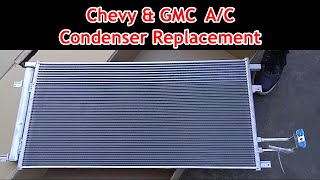
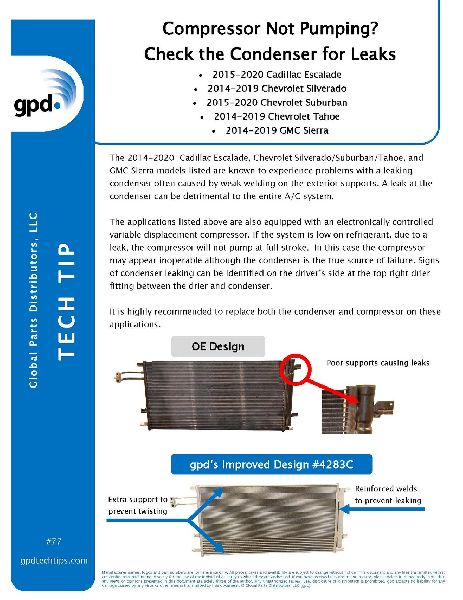
For the 2015 model year specifically, a very common problem is a leaking A/C condenser. GM issued a Special Coverage Adjustment (17336) because the original condensers can crack and leak refrigerant. A leak causes the compressor to fail from running without enough refrigerant and oil. If you have a 2015 Yukon, it is critical to have the A/C system checked for leaks, especially at the condenser, before replacing the compressor. A class-action lawsuit was also filed 🎬 See this step-by-step guide to replacing a leaking condenser regarding this defect.
Choosing the Right Aftermarket A/C Compressor
When replacing the A/C compressor, you don't have to buy an expensive OEM part. Aftermarket brands offer a range of quality and price points. For a successful repair, it is more important to replace related components (like the accumulator/drier and orifice tube) than it is to pick a specific brand.
Aftermarket Brand Tiers
- Valeo: Often considered a higher-quality aftermarket option. Valeo is a global OEM supplier and sometimes engineers its parts with improvements over the original design, such as better internal valves for efficiency.
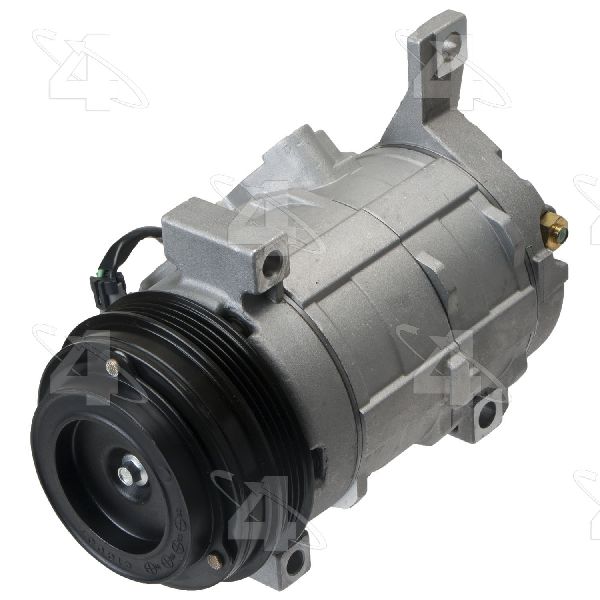
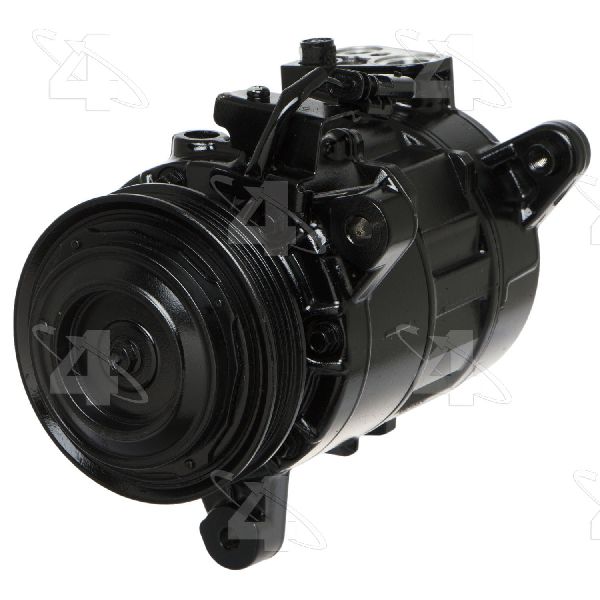
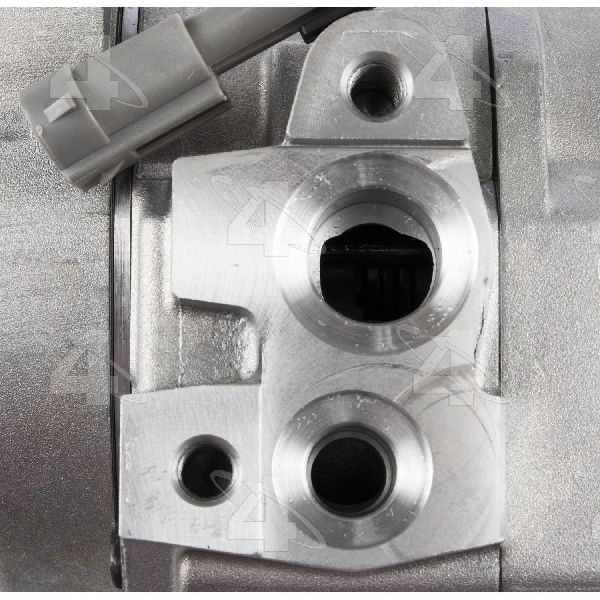
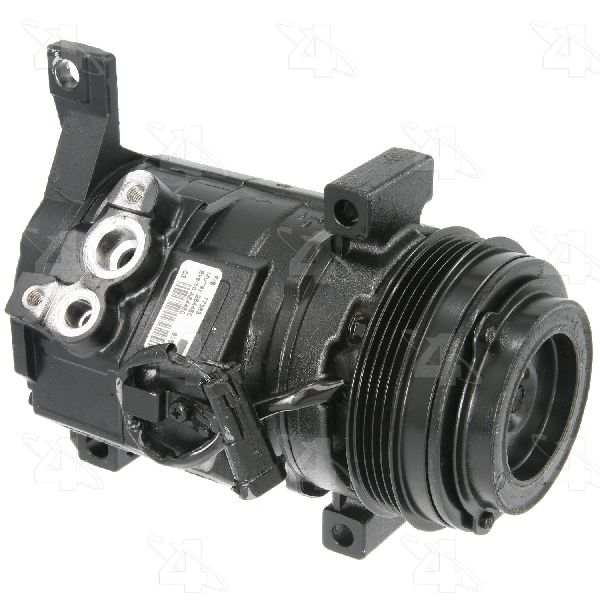
- Four Seasons: A widely available and well-known aftermarket brand. While some online discussions show mixed experiences with their remanufactured units, their new compressors are a popular choice.
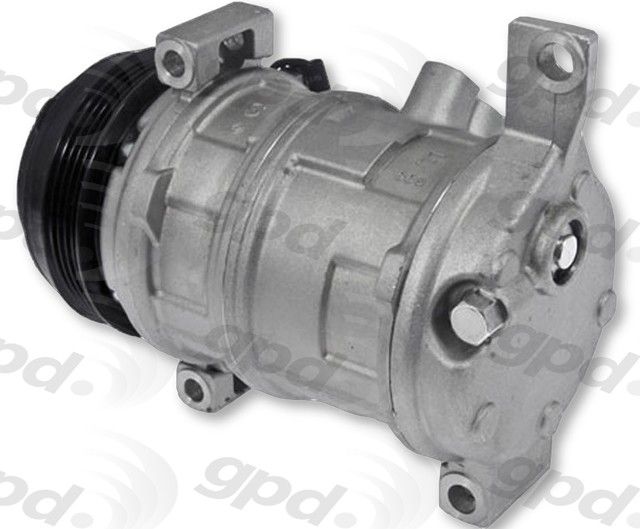
- Global Parts (GPD): This brand offers a cost-effective option. User reviews are mixed, with some reporting long life and others seeing early failures. GPD stresses the importance of flushing the system and replacing other components to ensure the compressor's longevity.
- Replacement: This category represents the most budget-friendly options. While they can offer significant savings, their long-term durability may be less predictable than more established brands.
Pro Tip: Always replace the A/C accumulator (also called a receiver/drier) and the orifice tube or expansion valve when you install a new compressor. The old accumulator contains moisture and contaminants that will ruin your new compressor and void its warranty. Buying a kit that includes these parts is a smart choice.
Cost of Replacing a GMC Yukon A/C Compressor
The total cost depends on whether you do the work yourself and the parts you choose. The most expensive part of the job is often the labor and the cost to have the system professionally evacuated and recharged.
| Part/Service | Estimated Cost |
|---|---|
| New Aftermarket Compressor | $219 - $508 |
| New OEM Compressor | $600 - $740 |
| Shop Labor (including system evacuation & recharge) | $292 - $428+ |
| Total Estimated Cost (Professional Installation) | $900 - $1,170+ |
Frequently Asked Questions
Do I have to replace other parts with the compressor?
Yes. At a minimum, you must replace the A/C accumulator/receiver-drier and the orifice tube/expansion valve. If the old compressor failed internally, the system must also be thoroughly flushed to remove metal debris, and the condenser should be replaced as it cannot be flushed effectively. Failure to do this will cause the new compressor to fail very quickly.
What is A/C "Black Death"?
"Black Death" refers to a catastrophic internal compressor failure where shredded metal and burnt oil contaminate the entire A/C system. This debris looks like black sludge and is very difficult to clean out. If your system has this, you will need to replace the compressor, condenser, accumulator, and expansion valve, and flush all the lines to prevent immediate failure of the new parts.
Can I replace the A/C compressor myself?
While mechanically unbolting and replacing the compressor is possible for an experienced DIYer, the A/C system is a closed loop. It is illegal and unsafe to release refrigerant into the atmosphere. The system must be evacuated with a special machine before opening it and then properly vacuumed and recharged with the correct amount of refrigerant and oil after the repair. For this reason, professional service is highly recommended.
🎬 Watch a full walkthrough of the compressor and condenser replacementIs a bad A/C relay or fuse a possible cause?
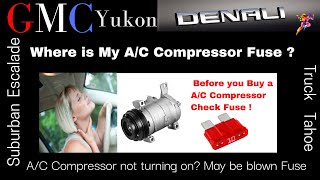
Yes. Before assuming the compressor is bad, it's wise to check the A/C compressor clutch relay and fuse in the under-hood fuse box. 🎬 Watch: How to locate and check your A/C compressor fuse Sometimes, a simple and inexpensive electrical part is the true cause of the clutch not engaging.
Helpful Videos
Technical Specifications
OEM Part Numbers: 86798586 89019357 15-22226 20936344 84203718
Compressor type and clutch configuration can vary. Always verify fitment using your vehicle's VIN. Models with rear A/C may use a different compressor than those without. The system uses R134a refrigerant.
We Have This Part in Stock

The information in this article is provided for general reference and educational purposes only. Vehicle specifications, procedures, and part compatibility can vary by production date, trim level, and region. Always consult your vehicle's factory service manual and verify part numbers before purchasing or performing repairs. Safety-critical components such as airbags, seat belts, and braking systems should be installed by a qualified professional.
- GMC Yukon:
- 🎬 Helpful Videos
- 🛍️ Shop This Part
- Is Your Yukon's A/C Blowing Hot Air?
- Common Symptoms of a Bad A/C Compressor
- Known Issue for 2015 GMC Yukon: Leaking A/C Condensers
- Choosing the Right Aftermarket A/C Compressor
- Aftermarket Brand Tiers
- Cost of Replacing a GMC Yukon A/C Compressor
- Frequently Asked Questions
- 🎟️ Get 5% Off