

A Guide to Replacing Ignition Coils on Your 2011-2015 Jeep Grand Cherokee
Engine misfiring or running rough? It might be time for new ignition coils.
- A flashing check engine light signals a severe misfire; pull over safely and seek service to prevent catalytic converter damage.
- For the 3.6L V6, replacing driver's side coils requires removing the intake manifold, making it a much bigger job.
- It is highly recommended to replace all coils and spark plugs at the same time for long-term reliability.
- High-quality aftermarket brands like Bosch, Delphi, and NGK offer reliable performance, often for less than OEM Mopar parts.
Is Your Grand Cherokee's Engine Acting Up?

If your Jeep is starting to run poorly, there's a good chance a failing ignition coil is the culprit. These parts work hard and are exposed to constant heat, so they do wear out over time. When one or more coils start to fail, it directly impacts your engine's smoothness, power, and fuel efficiency. Ignoring the signs can lead to more expensive problems, like a damaged catalytic converter.
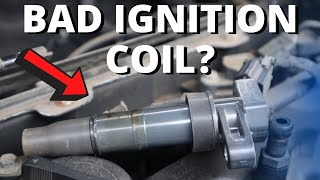
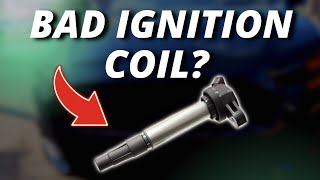
🎬 Watch: Learn more about common symptoms of a bad coil.Symptoms of a Bad Ignition Coil

- Check Engine Light: This is often the first sign. The light may be solid or flashing. A flashing light indicates a severe misfire that needs immediate attention. Common codes include P0300 (random misfire) or P0301-P0308 (misfire in a specific cylinder).
- Rough Idle and Misfires: The engine may shake, stutter, or vibrate, especially when stopped or at low speeds.
- Loss of Power: Your Grand Cherokee may feel sluggish and slow to accelerate.
- Worse Gas Mileage: A failing coil can't efficiently burn fuel, causing your fuel economy to drop.
- Difficulty Starting: The engine may crank longer than usual before starting, or fail to start at all.
A Note on the 3.6L V6 Engine
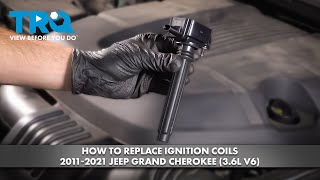
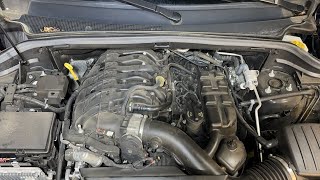
On the 3.6L Pentastar V6 engine, three coils are easy to access on the passenger side of the engine. However, the three coils on the driver's side are located underneath the upper intake manifold. Replacing these requires removing the manifold, which adds significant time and complexity to the job. 🎬 See this walkthrough for replacing coils on the 3.6L V6. It is highly recommended to replace all six coils and the spark plugs at the same time if you are already removing the intake manifold.
Choosing the Right Aftermarket Ignition Coils

You don't have to buy expensive OEM Mopar parts to get your Jeep running right. Many aftermarket brands offer excellent quality, often for a much lower price. Here’s a breakdown of brands based on quality and reputation among mechanics and owners.
Tier 1: OEM-Quality Brands
These brands are known for manufacturing parts that meet or exceed original equipment standards. They are a top choice for reliability and longevity.
- Bosch: A well-respected OEM supplier for many manufacturers. Bosch coils are known for their reliability.
- Delphi: Another top-tier OEM supplier with a strong reputation for quality ignition components.
- NGK: Famous for spark plugs, NGK also produces high-quality ignition coils that are considered a premium choice.
Tier 2: Reputable Aftermarket Brands
These brands offer a good balance of quality and value. They are a solid choice for most repairs.
- Standard Ignition (Standard Motor Products): A long-standing brand in the aftermarket. They generally offer good quality parts, though they sometimes rebox products from other manufacturers.
- Hitachi: A known OEM supplier for many Japanese vehicles, Hitachi also produces reliable aftermarket electronics.
Tier 3: Budget-Friendly Brands
These brands can save you money upfront, but quality and longevity can be inconsistent. They might be suitable for a temporary fix or if you're on a tight budget, but proceed with caution.
- URO Parts: Often cited in forums as a budget-level brand, with many users recommending them only for non-critical parts due to mixed quality reviews.
- DriveWire, Encore Automotive, Holstein, etc.: These brands are typically value-focused. Reviews are often sparse, making it difficult to judge long-term quality.
Pro Tip: Replace in Sets
If one ignition coil has failed due to age and mileage, the others are likely not far behind. It's good practice to replace all the coils at the same time, especially on the 3.6L V6 where half the coils are difficult to access. While you're at it, it's the perfect time to replace your spark plugs too.
Cost to Replace Ignition Coils

| Part / Service | Estimated Cost |
|---|---|
| Single Aftermarket Ignition Coil | $28 - $75 |
| Full Set of Aftermarket Coils (6 or 8) | $150 - $500+ |
| Shop Labor (V8 Engines) | $100 - $200 |
| Shop Labor (3.6L V6 Engine) | $250 - $450+ (due to intake manifold removal) |
Frequently Asked Questions
Can I drive with a bad ignition coil?
It's not recommended. Driving with a misfire can cause unburned fuel to enter the exhaust, potentially damaging the expensive catalytic converter. It also causes poor performance and fuel economy. If your check engine light is flashing, you should pull over and have the vehicle towed.
Do I need to replace all coils at once?
While you can replace just the one failed coil, it's wise to replace them as a set. Coils are wear-and-tear items, and if one has failed, the others may soon follow. On the 3.6L V6, it is highly recommended to replace all six at once to avoid paying for the same labor-intensive job twice.
Is this a DIY job?
For V8 models, yes. The coils are on top of the engine and easy to access. For the 3.6L V6, it's more complex. Replacing the passenger-side coils is easy, but the driver's side requires removing the upper intake manifold. This is manageable for an experienced DIYer but may be best left to a professional if you are not comfortable with that level of work.
Should I replace my spark plugs at the same time?
Absolutely. The spark plugs are located underneath the coils, so you will have done most of the work already. Worn spark plugs can put extra strain on new coils, causing them to fail prematurely. Installing new plugs with new coils is cheap insurance and ensures the entire ignition system is fresh.
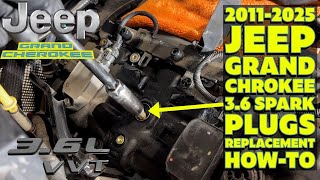
🎬 Watch: Step-by-step guide for replacing your Pentastar spark plugs.Helpful Videos
Technical Specifications
OEM Part Numbers: 5149168AI 5149168AH 5149168AF 5149168AE 68238603AA 56029129AF
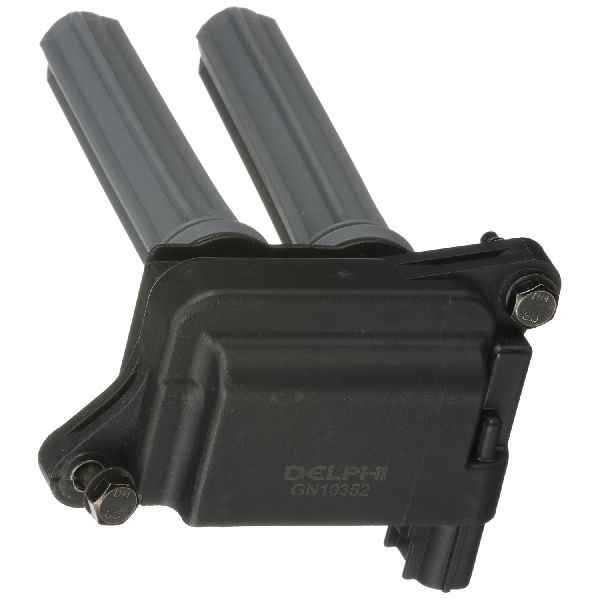
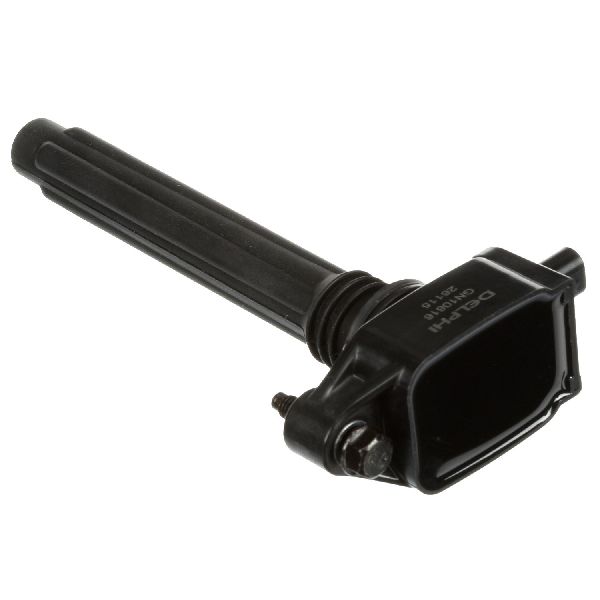
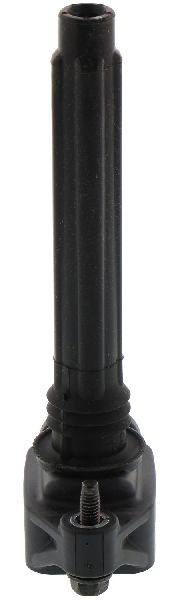
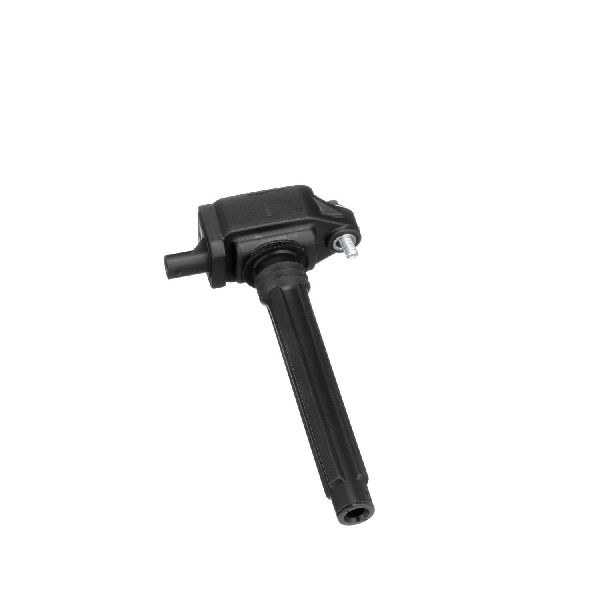
This vehicle uses a coil-on-plug ignition system. The 3.6L V6 engine requires 6 coils, while V8 engines (5.7L, 6.4L) require 8 coils. Each coil is secured by a single 10mm bolt.
We Have This Part in Stock


The information in this article is provided for general reference and educational purposes only. Vehicle specifications, procedures, and part compatibility can vary by production date, trim level, and region. Always consult your vehicle's factory service manual and verify part numbers before purchasing or performing repairs. Safety-critical components such as airbags, seat belts, and braking systems should be installed by a qualified professional.
- Jeep Grand Cherokee:
- 🎬 Helpful Videos
- 🛍️ Shop This Part
- Is Your Grand Cherokee's Engine Acting Up?
- Symptoms of a Bad Ignition Coil
- A Note on the 3.6L V6 Engine
- Choosing the Right Aftermarket Ignition Coils
- Tier 1: OEM-Quality Brands
- Tier 2: Reputable Aftermarket Brands
- Tier 3: Budget-Friendly Brands
- Pro Tip: Replace in Sets
- Cost to Replace Ignition Coils
- Frequently Asked Questions
- 🎟️ Get 5% Off