

A Guide to Replacing Steering Tie Rod Ends on a 2011-2015 Kia Optima
Learn how to identify failing tie rods on your Optima and choose the best aftermarket replacement for your needs.
- A bad tie rod end on your Optima will cause symptoms like steering wheel vibration, clunking noises, and uneven tire wear.
- Always get a professional wheel alignment immediately after replacing tie rod ends to prevent tire damage and ensure safety.
- Replacing tie rod ends in pairs is recommended for balanced steering and to avoid a repeat repair job.
- Be aware of steering TSBs for the 2011-2015 Optima; issues like a 'notchy' or 'clicking' wheel may be a different problem.
Symptoms of a Failing Tie Rod End

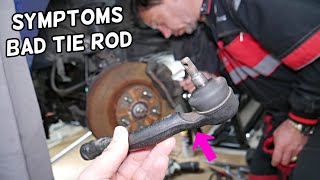
When the tie rod ends on your Optima start to wear out, they develop looseness in the ball joint. This can lead to several noticeable problems. You might feel a vibration or shakiness in the steering wheel, especially at higher speeds. A common sign is a clunking or knocking sound from the front of the car, particularly when turning at low speeds or going over bumps. Other symptoms include a loose or wandering feeling in the steering, where the car doesn't track straight, and uneven or accelerated tire wear on the inside or outside edges of your front tires.
Known Steering Issues on the 2011-2015 Kia Optima
While searching for tie rod issues, it's important to note that this generation of Optima has several Technical Service Bulletins (TSBs) related to steering feel. TSBs like CHA060, CHA072, and CHA091 address issues like a "notchy" or "slipping" feeling, clicking noises, or a sticking sensation when turning the wheel. These are often related to the electronic power steering motor's flexible coupling or software, not the tie rod ends themselves. If you have these specific symptoms, it's wise to have a dealer check if these TSBs apply to your vehicle, as the repair may be covered under an extended warranty. There are no specific recalls for the tie rod ends, but a major recall (23V652) exists for a fire risk from the HECU unit, which you should also be aware of.
Choosing the Right Aftermarket Tie Rod End

When replacing your Optima's tie rod ends, you don't have to use the original Kia parts. The aftermarket offers a wide range of quality and prices. Here’s how the available brands generally stack up:
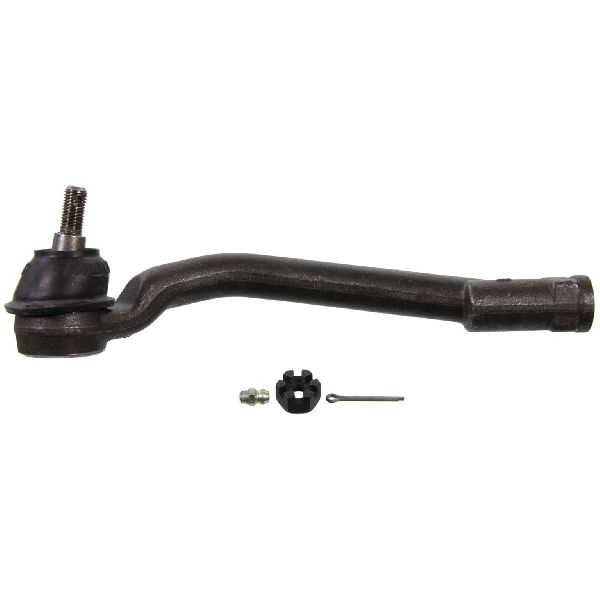
- Premium Brands (Moog, Mevotech TTX): These brands are often considered an upgrade over the original parts. Moog's "Problem Solver" line and Mevotech's "TTX" line are known for durability, often featuring stronger all-metal construction and greaseable fittings. The ability to add grease periodically can flush out contaminants and extend the part's life.
- OEM-Equivalent Brands (ACDelco, Delphi, Beck Arnley): These brands aim to meet or exceed the quality of the original factory parts. They are a reliable choice for a direct replacement without paying dealer prices. Delphi and ACDelco Professional series parts are well-regarded for their quality and fit. Beck Arnley specializes in parts for import vehicles and is also a solid option.
- Economy Brands (Dorman, QuickSteer, Suspensia): These brands focus on providing a cost-effective solution. While they will get your car back on the road safely, their lifespan may not be as long as premium or OEM-equivalent options. They can be a good choice for a budget-conscious repair, but may wear out sooner, especially under harsh driving conditions.
Pro Tip: It is highly recommended to replace outer tie rod ends in pairs. If one has failed due to age and mileage, the other is likely not far behind. Replacing both at the same time ensures even steering response and saves you from having to do a second alignment in the near future.
Cost to Replace Kia Optima Tie Rod Ends

The cost can vary based on your location and the parts you choose. An alignment is required after replacement, which adds to the total cost.
| Item | Estimated Cost |
|---|---|
| New Aftermarket Part (Single) | $26 - $64 |
| New OEM Part (Single) | $65 - $95 |
| Shop Labor (for one side) | $50 - $100 |
| Wheel Alignment | $80 - $150 |
Frequently Asked Questions

Do I need a wheel alignment after replacing tie rod ends?
Yes, absolutely. Replacing a tie rod end will change your vehicle's toe angle. Driving without an alignment will cause rapid and uneven tire wear and can make the vehicle handle poorly. This is a required final step for the repair.
Should I replace the inner and outer tie rods at the same time?
Not necessarily. You only need to replace the part that has failed. A mechanic can check the inner tie rods for play while replacing the outers. If the inners are also loose, it's cost-effective to replace them at the same time, but if they are still solid, you can leave them.
What is the difference between a greaseable and sealed tie rod end?
Sealed tie rod ends, like the original factory parts, are filled with grease and sealed for life. Greaseable tie rod ends have a small fitting (a zerk) that allows you to pump in fresh grease periodically. This can help extend the life of the part by flushing out old grease and contaminants, a feature favored by many premium aftermarket brands like Moog.
Is this a difficult DIY job?
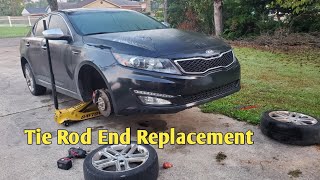
For an experienced home mechanic, replacing an outer tie rod end is a manageable job. It requires basic hand tools, a torque wrench, and a way to safely lift and support the vehicle. However, separating the tie rod from the steering knuckle can be difficult without a special puller tool. Remember, you will still need to take the car to a shop for a professional alignment afterward.
Helpful Videos
Technical Specifications
OEM Part Numbers: 56820-4R000 56820-3Q500
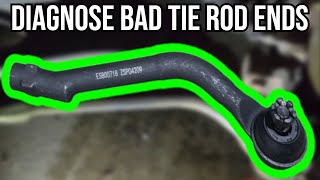
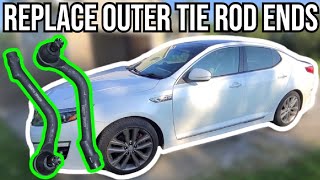
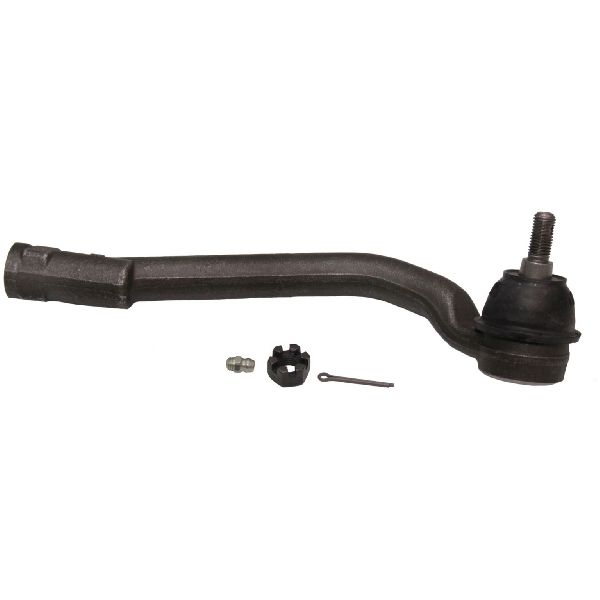
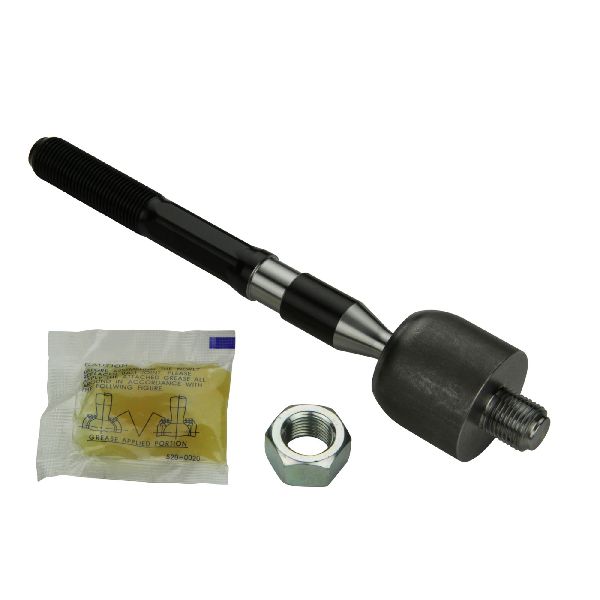
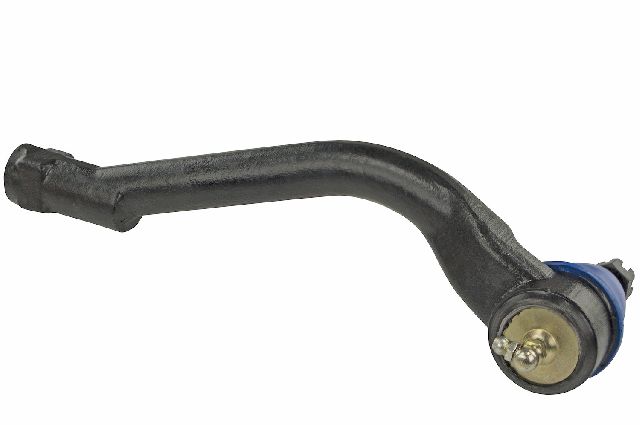
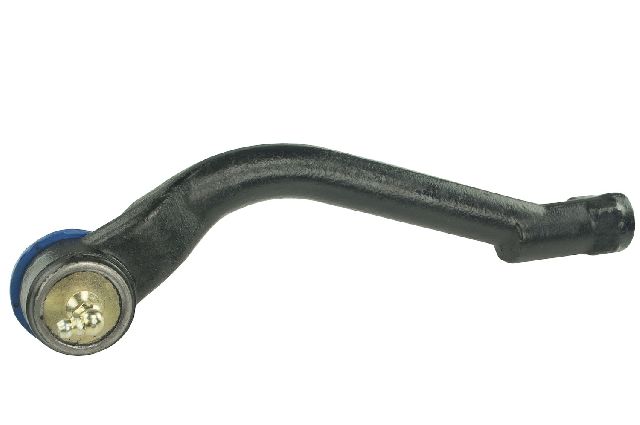
The 2011-2015 Kia Optima uses a front outer tie rod end that connects the inner tie rod to the steering knuckle. There are left and right specific parts. An alignment is mandatory after replacement.
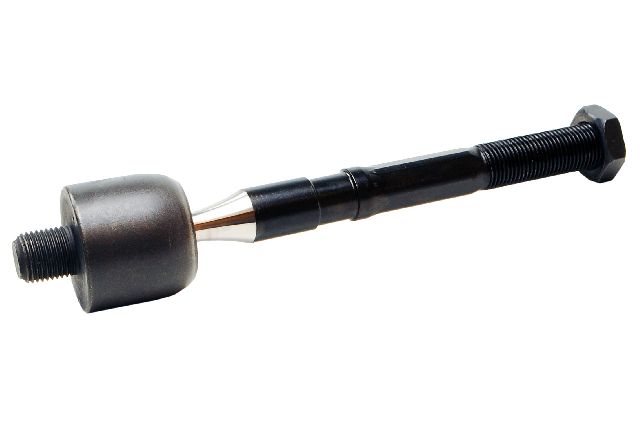
We Have This Part in Stock

The information in this article is provided for general reference and educational purposes only. Vehicle specifications, procedures, and part compatibility can vary by production date, trim level, and region. Always consult your vehicle's factory service manual and verify part numbers before purchasing or performing repairs. Safety-critical components such as airbags, seat belts, and braking systems should be installed by a qualified professional.
- Kia Optima: