

Land Rover Range Rover Engine Crankshaft Position Sensor Guide (2011-2015)
Understand the symptoms and replacement options for a failing crankshaft position sensor on your Range Rover.
- A failing crankshaft sensor can cause stalling and no-start conditions, potentially leaving you stranded.
- Symptoms often appear when the engine is hot and may disappear after it cools down.
- Replacement on V8 models is moderately difficult, while on diesel models it can be very challenging.
- Verify the diagnostic trouble code (e.g., P0335) before replacing the part to avoid misdiagnosis.
Is Your Range Rover Stalling or Hard to Start? It Could Be the Crankshaft Position Sensor
If you own a 2011-2015 Land Rover Range Rover and are experiencing engine problems like stalling, difficulty starting, or a lit Check Engine Light, a faulty crankshaft position sensor is a likely culprit. This sensor is essential for engine function, and its failure can leave you stranded. This article explains the symptoms of a bad sensor, helps you choose a quality aftermarket replacement, and provides an idea of replacement costs.
Symptoms of Failure
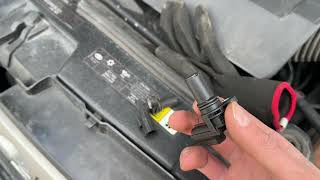
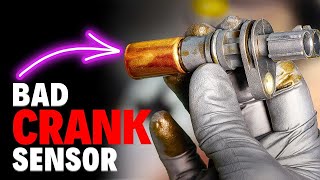
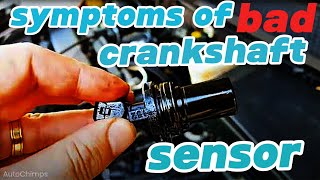
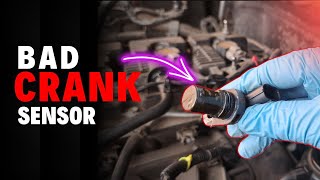
A failing crankshaft position sensor often gives clear warning signs. One of the most common issues is the engine stalling unexpectedly, sometimes after it has warmed up. You may also find the engine cranks but refuses to start, or starts only after a long wait. Other symptoms include rough idling, engine misfires, poor acceleration, and reduced fuel economy. 🎬 Watch: 7 common symptoms of a bad crank position sensor Eventually, a complete sensor failure will prevent the engine from starting at all.
Heat-Related Failures
Crankshaft position sensors are known to fail when they get hot. A classic symptom is the engine stalling after driving for a while and then refusing to restart until it has cooled down. Some owners have even temporarily revived a failing sensor by pouring cool water on it to get the vehicle started again.
Choosing the Right Aftermarket Sensor
When replacing the crankshaft position sensor, you have a choice between Original Equipment (OEM) and aftermarket parts. While OEM parts are a guaranteed fit, quality aftermarket brands can offer significant savings without sacrificing reliability.
- Premium Aftermarket (e.g., Delphi): Delphi is often an Original Equipment supplier to many car manufacturers. Choosing a brand like Delphi can give you OEM quality at a lower price point. They are a well-regarded choice for electronic components.
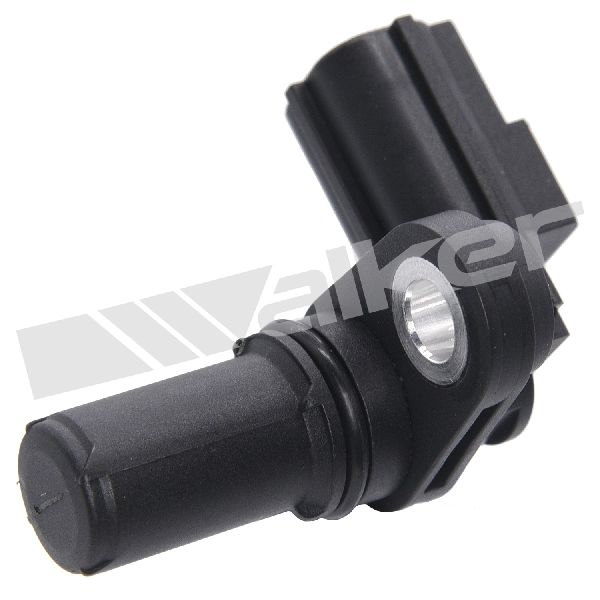
- Standard Aftermarket (e.g., Standard Ignition, Holstein, Walker Products): These brands provide a good balance of quality and value. They manufacture parts to meet or exceed OE specifications and often come with warranties. Walker Products, for example, performs on-vehicle testing to ensure durability. Holstein emphasizes using high-quality materials and offers a 3-year/36,000-mile warranty on their sensors.
Pro Tip: For European vehicles like Land Rover, sticking to premium aftermarket brands or those with a strong reputation for electronic parts is a wise investment to avoid premature failure and compatibility issues.
Known Issues, Recalls, and TSBs
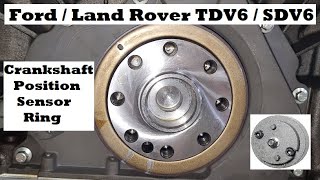
As of this writing, there are no specific recalls for the crankshaft position sensor itself on the 2011-2015 Range Rover. However, a Technical Service Bulletin (SSM72956) was issued for some 3.0L TDV6 engines, noting that when replacing an older sensor, the trigger wheel may also need to be replaced. 🎬 Watch: How to install the diesel crankshaft position sensor ring This is crucial for the repair shop to be aware of. There have been other recalls for this vehicle generation, such as for crankshaft pulley bolts on some 2019 models, but these do not directly involve the sensor. Always check for the latest recall information with your VIN on the NHTSA website.
| Item | Estimated Cost |
|---|---|
| New OEM Part | $85 - $180 |
| New Aftermarket Part | $26.90 - $104.76 |
| Shop Labor | $150 - $300 |
| Total (Aftermarket Part + Labor) | $177 - $405 |
Frequently Asked Questions (FAQ)
Where is the crankshaft position sensor located on a 2011-2015 Range Rover?
The sensor is typically located on the engine block where it meets the transmission bellhousing. On some models, particularly the 5.0L V8, it can be accessed from underneath after removing a skid plate. 🎬 See this 5.0L crankshaft sensor replacement walkthrough On diesel models, it can be more difficult to access, sometimes hidden by the turbo and requiring the removal of a wheel and other components.
Can I replace this sensor myself?
For experienced DIY mechanics, this is a feasible job, especially on the 5.0L V8 where access is more direct. However, on diesel engines, the location is much more challenging, often requiring the removal of heat shields, an upper control arm, and a turbo oil return pipe. Due to the tight space and potential complexity, many owners may prefer to have a professional mechanic perform the replacement.
What happens if I don't replace a failing sensor?
Ignoring the symptoms will eventually lead to a complete sensor failure, which will prevent the engine from starting, leaving you stranded. Continuing to drive with an intermittent issue can also cause poor fuel economy, reduced engine performance, and potentially damage other components like the catalytic converter due to unburned fuel entering the exhaust.
Do I need to program the new sensor?
No, a new crankshaft position sensor does not require any programming after installation. It is a plug-and-play component. However, it is always a good practice to clear any stored fault codes from the ECU after the repair is complete.
Helpful Videos
Technical Specifications
OEM Part Numbers: LR049872 LR035561 LR008876 LR150655 LR126181
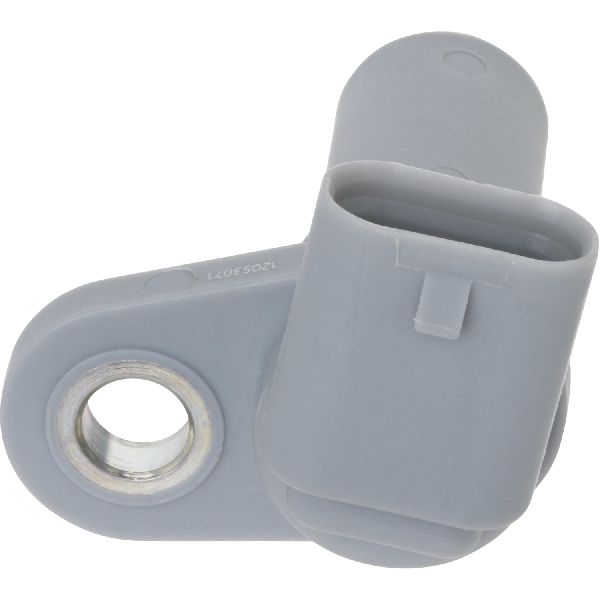
Magnetic or Hall-effect sensor that reads the position of the crankshaft reluctor wheel.
We Have This Part in Stock


The information in this article is provided for general reference and educational purposes only. Vehicle specifications, procedures, and part compatibility can vary by production date, trim level, and region. Always consult your vehicle's factory service manual and verify part numbers before purchasing or performing repairs. Safety-critical components such as airbags, seat belts, and braking systems should be installed by a qualified professional.
- Land Rover Range Rover: