

A Comprehensive Guide to the Serpentine Belt for the 2011-2015 Subaru Legacy
Everything you need to know before replacing the serpentine belt on your 2.5L or 3.6L Legacy.
- Inspect the belt regularly for cracks, fraying, and noise.
- On 3.6L models, a failing idler pulley or tensioner is a known issue that can shred the belt.
- When replacing the belt, always spin all pulleys by hand to check for bad bearings.
- Ensure you buy the correct belt for your engine (2.5L vs. 3.6L), as they are different lengths.
Understanding Serpentine Belt Failure in Your Legacy
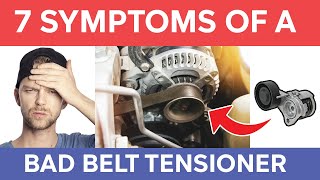
The serpentine belt is a critical wear-and-tear item. Made of durable EPDM rubber, it's designed to last for tens of thousands of miles, but it won't last forever. Heat, mileage, and tension eventually cause the belt to degrade. 🎬 Learn how to spot the symptoms of a failing belt tensioner. A visual inspection is the easiest way to check its condition. Look for cracks, fraying, glazing (a shiny surface), or any signs of shredding.
Known Issues for 2011-2015 Legacy
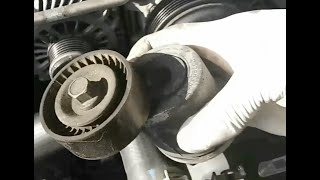
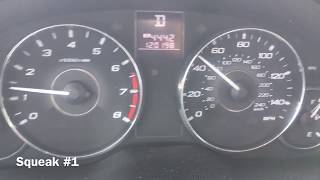
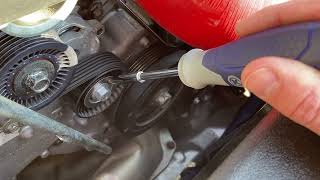
While the belts themselves are generally reliable, owners have reported issues with related components. On the 3.6L engine, failing idler pulleys or tensioner bearings can be a problem. A bad bearing can seize, causing the belt to shred and potentially leaving you stranded. When replacing your belt, it's crucial to spin each pulley by hand. They should spin smoothly and quietly. Any roughness, wobble, or noise indicates 🎬 See what bad tensioner and idler pulley bearings sound like. a pulley that should be replaced along with the belt.
Choosing the Right Aftermarket Serpentine Belt
When it's time for a replacement, you'll find several reputable aftermarket brands available. For your Subaru Legacy, brands like Gates, Continental, and Dayco are all considered quality choices by both mechanics and DIYers. There isn't a single "best" brand, as all three are major OEM suppliers and produce high-quality belts that meet or exceed factory specifications.
- Gates: Often cited as a top choice and a major OEM supplier. Gates belts are known for their durability and precise fit.
- Continental: Another top-tier brand, sometimes noted for quiet operation. They also have a strong reputation as an OEM for many European and domestic vehicles.
- Dayco: A well-regarded brand offering reliable performance. They are known for constructing belts with aramid-reinforced EPDM compounds to handle high-mileage and worn drives.
Pro Tip: The most important factor is ensuring you purchase the correct length and rib-count for your specific engine. The 2.5L and 3.6L engines use different belts. Always verify the part number with your vehicle's specifications.
Cost of Replacing a Serpentine Belt (2011-2015 Subaru Legacy)
| Part Category | Estimated Cost |
|---|---|
| New OEM Belt | $40 - $65 |
| New Aftermarket Belt (Continental, Dayco, Gates) | $25 - $58 |
| Shop Labor | $75 - $150 |
| Total Professional Replacement (Aftermarket) | $100 - $208 |
Frequently Asked Questions (FAQ)
How often should I replace my Legacy's serpentine belt?
There is no strict mileage interval, but it's recommended to inspect the belt during every oil change or at least every 15,000 miles. Most mechanics recommend replacement between 60,000 and 90,000 miles as preventative maintenance, or as soon as you see signs of wear like cracking or fraying.
Is it difficult to replace the serpentine belt myself?
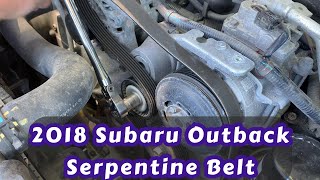
For a DIYer with basic tools, this is a very feasible job. The main challenge is understanding the belt routing and properly releasing the tension from the automatic tensioner. It requires a breaker bar or a long ratchet to move the tensioner and slip the belt off. The difficulty is about a 2 out of 5.
🎬 Watch: Complete walkthrough for replacing the belt, tensioner, and pulleys.Should I replace the tensioner and idler pulleys with the belt?
It's highly recommended, especially on higher-mileage vehicles (over 100,000 miles) or if you notice any noise or roughness when spinning the pulleys by hand. A failing pulley is a common cause of belt failure, so replacing them together can save you from a future breakdown.
What's the difference between the 2.5L and 3.6L engine belts?
The belts are different lengths and are not interchangeable. The 3.6L engine has a different accessory layout, requiring a different belt path and length. For example, a belt for a 2010-2014 3.6L is around 64 inches long, while a 2.5L non-turbo from the same era is around 65 inches. Always confirm the exact part number for your specific year and engine.
Helpful Videos
Technical Specifications
OEM Part Numbers: 809221140 23780AA160 809221150 809221130
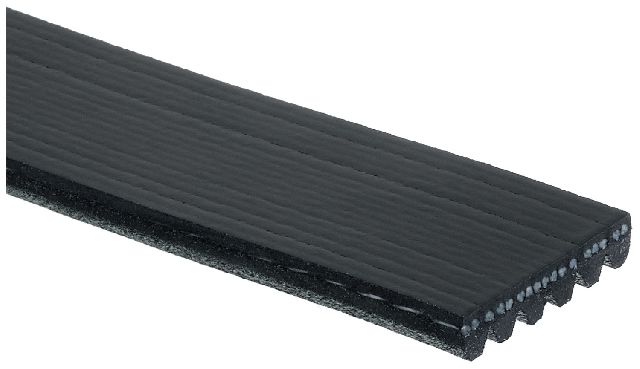
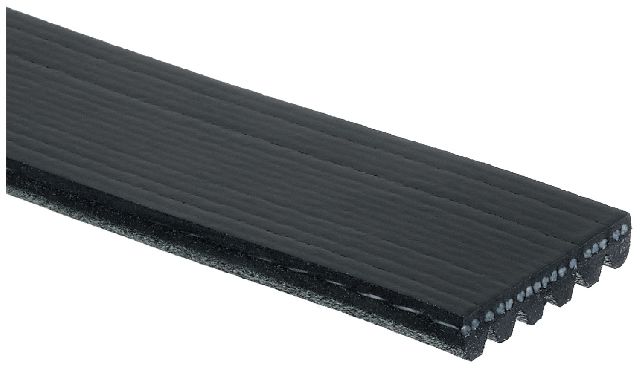
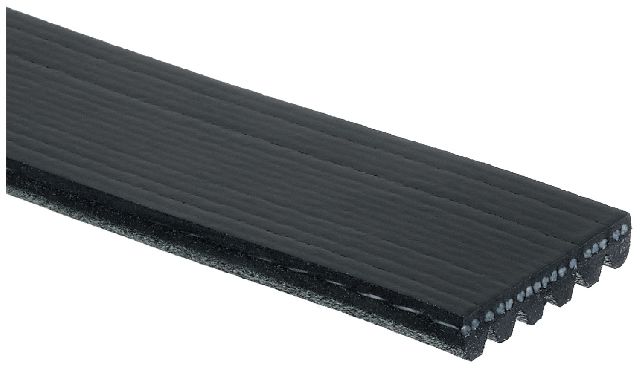
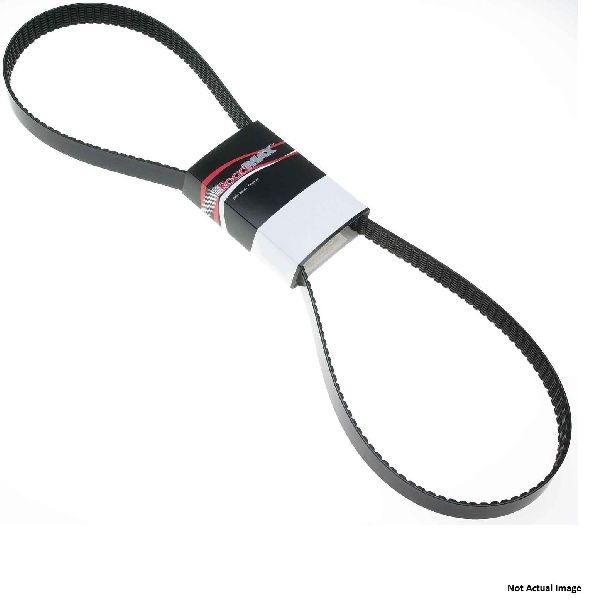
Belt construction is typically EPDM (Ethylene Propylene Diene Monomer) rubber with polyester or aramid cords. Length varies by engine: 2.5L non-turbo models use a belt around 65.16 inches (e.g., 6PK1655), while 3.6L models use a shorter belt around 64.07 inches (e.g., 6PK1625). Always verify part number for your specific application.
We Have This Part in Stock

The information in this article is provided for general reference and educational purposes only. Vehicle specifications, procedures, and part compatibility can vary by production date, trim level, and region. Always consult your vehicle's factory service manual and verify part numbers before purchasing or performing repairs. Safety-critical components such as airbags, seat belts, and braking systems should be installed by a qualified professional.
- Subaru Legacy: