

Subaru Outback Automatic Transmission Mount Guide (2011-2015)
Experiencing clunks or vibrations in your Outback? Your transmission mount might be the culprit.
- Common failure symptoms are clunking noises when shifting and excessive vibration.
- Replacement is a DIY-friendly job that can be done in under two hours with basic tools.
- Aftermarket brands like Anchor and DEA are affordable but may have shorter lifespans than OEM.
- There are no recalls for the automatic transmission mount on these models.
Is Your Outback's Transmission Mount Failing?
A failing transmission mount on the 2011-2015 Subaru Outback can create some noticeable and annoying symptoms. Because the mount is designed to hold the transmission steady and absorb vibration, its failure allows for excessive movement and noise. You might be dealing with a bad mount if you notice any of the following signs.
🎬 Watch: 5 common signs of a bad transmission mount.Key Symptoms of a Bad Transmission Mount:
- Clunking Noises: A common sign is a "clunk" or "thud" sound when you shift from Park to Drive or Reverse. You might also hear this noise when you accelerate hard or let off the gas pedal suddenly. This is the sound of the transmission moving and hitting against other parts because the mount is no longer holding it securely.
- Excessive Vibrations: If you feel new or increased vibrations through the floor, seats, or steering wheel, especially when idling or accelerating, the rubber on the mount may have worn out. It can no longer dampen the normal vibrations from the drivetrain.
- Drivetrain Movement: In severe cases, you might feel the whole engine and transmission assembly lurch during gear shifts or acceleration. A mechanic can easily check for this by using a pry bar to see if there is excessive play between the transmission and the crossmember.
Don't Ignore the Signs
While you can drive with a failing mount for a short time, it's not recommended. The excessive movement can put extra stress on other expensive parts like engine mounts, CV axles, and exhaust components, leading to more costly repairs down the road.
Choosing the Right Aftermarket Mount
When replacing the transmission mount on your Outback, you have a choice between Original Equipment (OEM) from Subaru and aftermarket parts. For a vehicle in this age range, an aftermarket part can be a cost-effective solution.
- OEM Parts: Genuine Subaru parts are guaranteed to fit and perform exactly like the original. However, they come at a higher price.
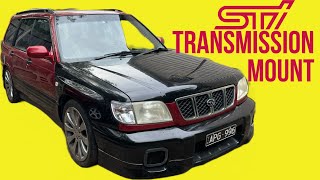
- Aftermarket Parts (Anchor, DEA): Brands like Anchor and DEA are widely available and much more affordable. However, online forums and reviews show mixed opinions on their quality and longevity. Some users report they are a perfectly fine budget option, while others have experienced premature failure or increased vibration compared to OEM. For a daily driver, these brands are generally considered a value-oriented choice, but may not last as long as the original part. 🎬 Watch: Upgrading to a sturdier STi mount for better performance.
Pro Tip: Inspect Before You Buy
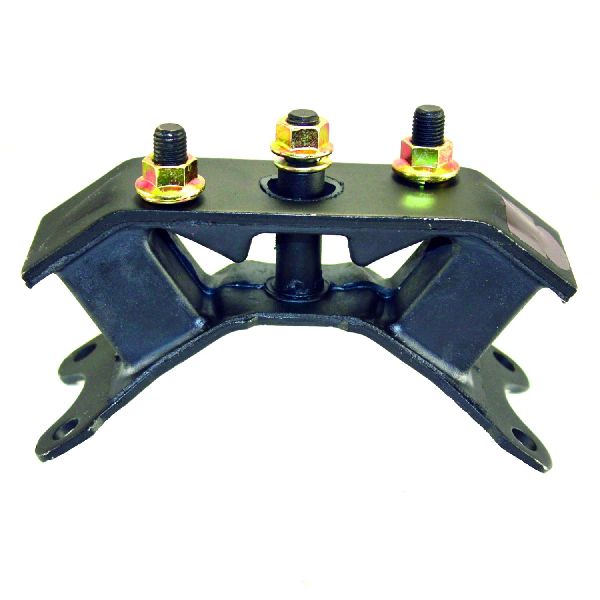
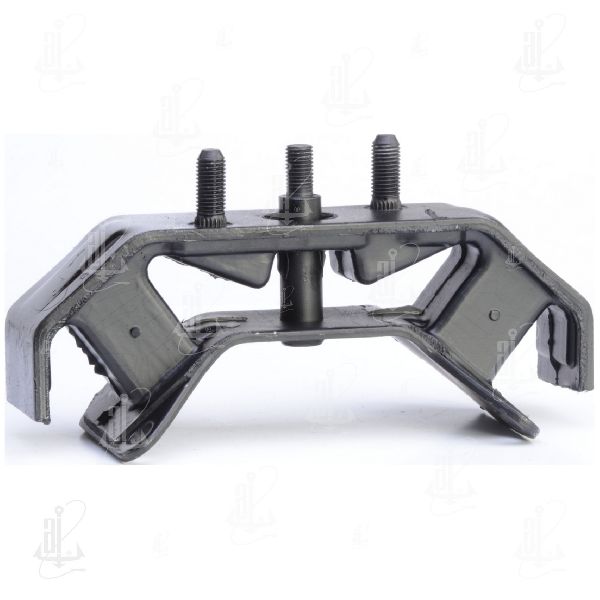
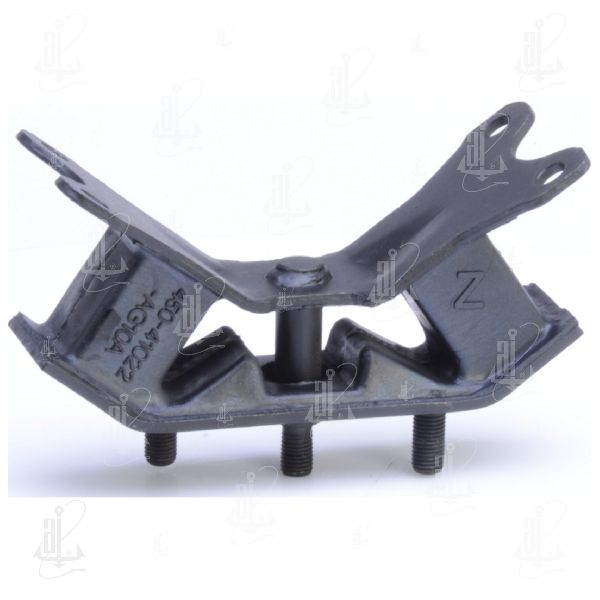
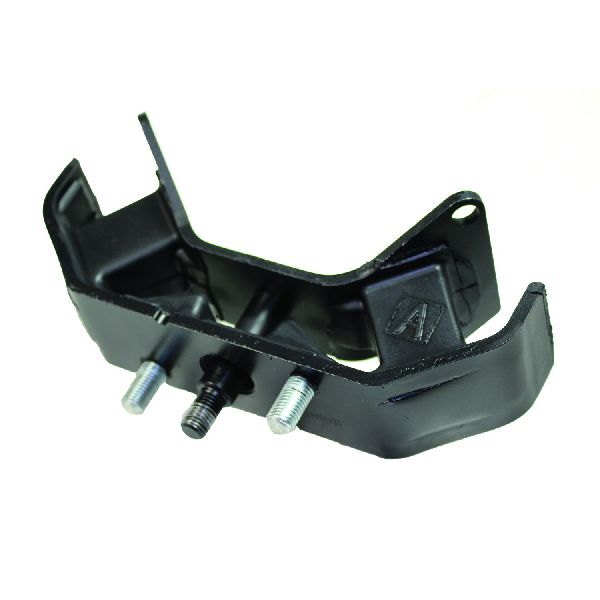
The 2011-2015 Outback has a few different mount designs depending on the engine and specific production date. It's always a good idea to visually inspect your old mount and compare it to pictures of the new part before ordering to ensure you get the correct one.
Cost of Replacing the Transmission Mount
The cost to replace the transmission mount is reasonable, especially if you can do it yourself. The part itself is not expensive, and the labor is straightforward.
| Item | Estimated Cost |
|---|---|
| New Aftermarket Mount | $31 - $61 |
| New OEM Mount | $65 - $100 |
| Shop Labor | $100 - $200 |
| Total Professional Repair (Aftermarket) | $131 - $261 |
Frequently Asked Questions
Is there a recall on the transmission mount for the 2011-2015 Outback?
No, there are no specific recalls for the transmission mount itself. There was a recall for some 2015 models concerning a transmission oil leak from a propeller shaft seal, but this is unrelated to the mount. There were also recalls for manual transmission models in this year range, but they do not apply to the automatic transmission mount.
Can I replace the transmission mount myself?
Yes, this is a DIY-feasible job for someone with basic mechanical skills and tools. The process involves supporting the transmission with a jack, unbolting the crossmember and the old mount, and installing the new one. It typically takes about 1-2 hours.
🎬 See this step-by-step walkthrough of the replacement process.How many transmission mounts does my Outback have?
The primary component people refer to is the rear transmission mount, which supports the back of the transmission on a crossmember. Your vehicle also has engine mounts that work together with the transmission mount to secure the entire powertrain. A mechanic on a forum noted that for this generation, there are three transmission mounts in total, but the rear one is the most common to fail.
Will a new aftermarket mount cause more vibration?
It's possible. Some budget aftermarket mounts use harder rubber compounds than the OEM part, which can transmit more vibration into the cabin. However, a new, firm aftermarket mount will be a significant improvement over a completely failed one and should reduce clunking and excessive movement.
Helpful Videos
Technical Specifications
OEM Part Numbers: 41022AJ07A
The mount consists of a metal frame with a central rubber insulator designed to bolt to the transmission and the vehicle's crossmember. It serves to both support the transmission's weight and dampen vibrations.
We Have This Part in Stock

The information in this article is provided for general reference and educational purposes only. Vehicle specifications, procedures, and part compatibility can vary by production date, trim level, and region. Always consult your vehicle's factory service manual and verify part numbers before purchasing or performing repairs. Safety-critical components such as airbags, seat belts, and braking systems should be installed by a qualified professional.
- Subaru Outback: