

A Guide to Replacing the Radiator on Your 2011-2015 Subaru Outback
Keep your Outback's engine cool and prevent costly repairs by understanding when and how to replace a failing radiator.
- The most common failure is a crack in the plastic end tanks where they meet the aluminum core.
- Premium aftermarket brands like Denso, Koyorad, and CSF are highly recommended and often considered an upgrade over the original.
- While replacing the radiator, it is a smart and cost-effective move to also replace the radiator hoses and thermostat.
- This is a manageable DIY job for those with basic tools, which can save you hundreds in labor costs.
Is Your Outback's Radiator Failing?
A failing radiator doesn't always mean a catastrophic breakdown. Often, the signs are subtle at first. The most common failure point on 2011-2015 Subaru Outback radiators is a crack developing in the plastic end tanks where they are crimped to the aluminum core. This can start as a very small leak that's hard to spot.
Key Symptoms to Watch For:
- Engine Temperature Gauge Climbing: If you see the temperature needle moving toward the red zone, especially when stopped in traffic, it's a clear warning sign.
- Coolant Puddles: Finding bright green or blue fluid under the front of your car is a sure sign of a leak. The leak might be from the radiator itself or one of the hoses connected to it.
- Low Coolant Level: Frequently needing to top off your coolant reservoir means the fluid is escaping somewhere.
- Sweet Smell: The smell of hot coolant is distinct and sweet. If you smell this after driving, coolant is leaking onto a hot engine part and burning off.
- Visible Corrosion or Leaks: Look for white, crusty residue or rust-colored stains on the radiator, especially around the top and bottom plastic sections. This indicates a slow leak.
A Note on Head Gaskets
While a failing radiator is common, symptoms like overheating can also be caused by more serious head gasket issues, which some Subaru models are known for. If your upper radiator hose seems to be pushing itself off the radiator neck or the lower hose stays cool while the engine is hot, it could indicate excess pressure in the cooling system from a head gasket leak. If you suspect this, have a mechanic perform a block test to check for combustion gases in your coolant 🎬 Watch this video to understand why your engine is overheating. before replacing the radiator.
Choosing Your New Aftermarket Radiator
When replacing the radiator on your 2011-2015 Outback, you have several options. The original factory radiator is known to fail at the plastic end tanks, so an aftermarket replacement can be a reliable and cost-effective choice. Aftermarket brands are often grouped into tiers based on quality, materials, and price.
Brand Quality Tiers
Here’s a breakdown of the brands available for your Outback, based on owner experiences and general industry reputation:
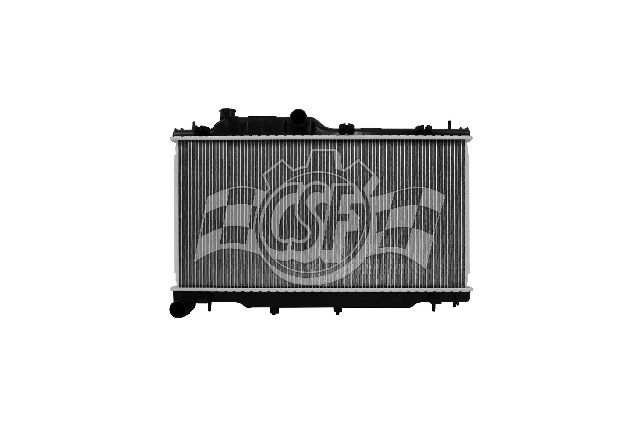
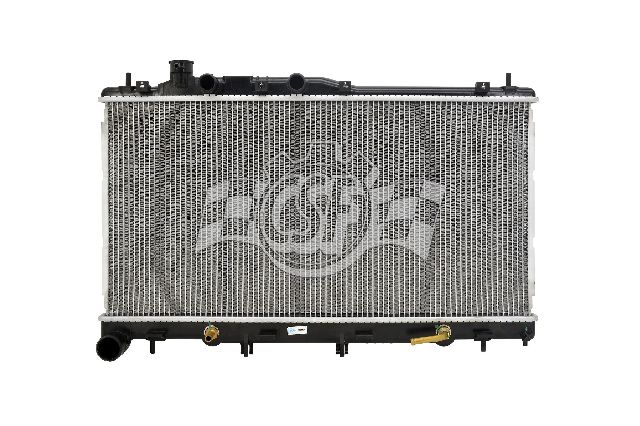
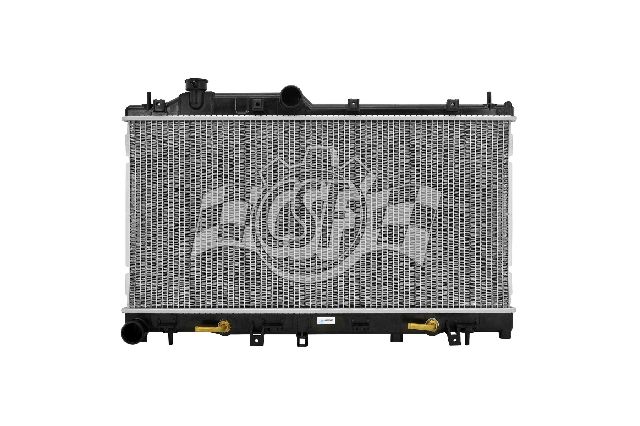
- Premium OE-Equivalent Brands (Koyorad, CSF, Denso, Nissens): These brands are well-regarded by mechanics and Subaru owners. Denso is a known OEM supplier for many Japanese vehicles, ensuring high quality and excellent fitment. Koyorad and CSF are also top choices, often considered upgrades over the stock unit. Nissens offers a good balance of quality and price, with features designed for durability. You can generally trust these brands for a long-lasting repair.
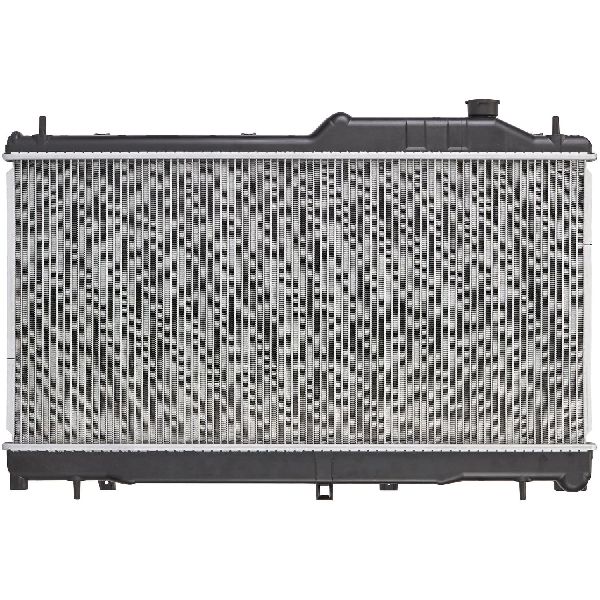
- Standard Aftermarket Brands (Spectra, APDI): Brands like Spectra are a popular budget-friendly choice. They are widely available and generally fit well, but the build quality may not be as robust as the premium brands. They offer a functional replacement that can be a good value for the price.
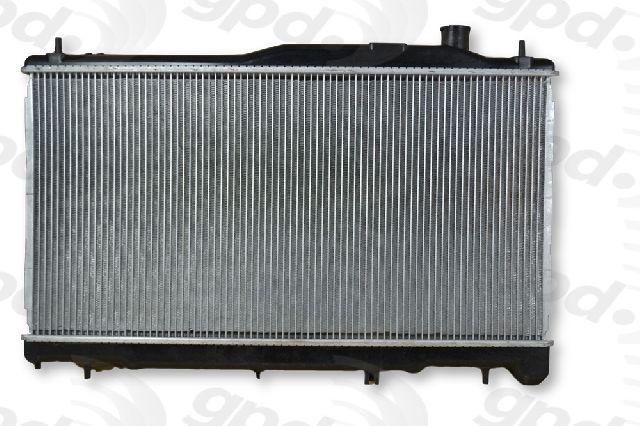
- Economy Brands (Global Parts, One Stop Solutions, Onix): These are typically the most affordable options. While they will get your car back on the road, their long-term durability can be a gamble. They may use lighter materials or have less stringent quality control. These are best considered for a temporary fix or if budget is the absolute primary concern.
Pro Tip: Since your Outback has an automatic transmission, the radiator has an internal cooler for the transmission fluid. When you buy a new radiator, make sure it is specified for an automatic transmission. The new part should come with plugs or caps on the transmission cooler ports; keep these on until you are ready to connect the lines to minimize fluid loss and contamination.
Cost of Replacing Your Outback's Radiator
The cost can vary depending on the parts you choose and whether you do the work yourself. The job is straightforward for a DIYer with basic tools and can save you a significant amount on labor.
| Item | Estimated Cost |
|---|---|
| New OEM Radiator | $275 - $350 |
| New Aftermarket Radiator | $95 - $432 |
| Shop Labor | $100 - $300 |
| Total Professional Replacement (Aftermarket Part) | $195 - $732 |
Frequently Asked Questions
Are there any recalls for the 2011-2015 Subaru Outback radiator?
No, there are no specific recalls issued by Subaru or the NHTSA for radiator failure on the 2011-2015 Outback. While there are recalls for other components on these model years, the cooling system is not among them.
Is replacing the radiator a good DIY job?
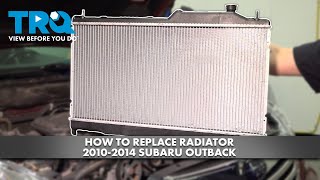
Yes, for someone with basic mechanical skills and tools, replacing the radiator is a very manageable job that can be done in a driveway in a few hours. 🎬 See this step-by-step walkthrough for replacing your Outback's radiator. You will need to drain the coolant, disconnect hoses and electrical fan connectors, unbolt the transmission cooler lines, and remove the radiator brackets. The key is to work carefully and make sure you properly bleed the air out of the cooling system when you refill it.
Should I replace the radiator hoses and thermostat at the same time?
Yes, it is highly recommended. The radiator hoses are made of rubber and degrade over time. Since you'll have the coolant drained anyway, it's the perfect time to replace the upper and lower hoses and the thermostat. This is inexpensive preventative maintenance that can save you from another cooling system failure down the road.
🎬 Watch a pro replace the radiator and thermostat housing together.What kind of coolant should I use for my 2011-2015 Outback?
You must use Subaru Super Coolant (blue). It is a pre-mixed, long-life coolant specifically formulated for your vehicle's engine. Do not mix it with other types or colors of coolant, as this can lead to corrosion and damage to the cooling system.
Helpful Videos
Technical Specifications
OEM Part Numbers: 45111AJ10A
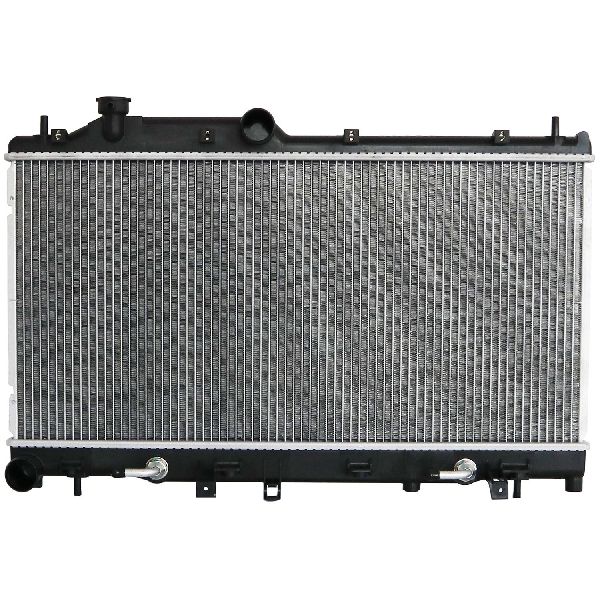
Fits 2011, 2012, 2013, 2014, and 2015 Subaru Outback models with automatic transmission. Includes an integrated transmission oil cooler. Core is typically aluminum with plastic tanks.
We Have This Part in Stock

The information in this article is provided for general reference and educational purposes only. Vehicle specifications, procedures, and part compatibility can vary by production date, trim level, and region. Always consult your vehicle's factory service manual and verify part numbers before purchasing or performing repairs. Safety-critical components such as airbags, seat belts, and braking systems should be installed by a qualified professional.
- Subaru Outback: