

A Guide to Radiator Coolant Hoses for the 2011-2015 Subaru Outback
Prevent overheating and costly engine damage by understanding when and how to replace your Outback's radiator hoses.
- Radiator hoses fail from age and heat; inspect them for cracks, bulges, or soft spots.
- A coolant leak or sudden overheating are serious symptoms that require immediate attention.
- Aftermarket brands like Gates and Dayco are reliable, cost-effective alternatives to OEM Subaru parts.
- Always replace hose clamps when replacing hoses, and replace both upper and lower hoses at the same time for best results.
Symptoms of a Failing Radiator Hose
Radiator hoses are wear-and-tear items. They are made of rubber that breaks down over time from constant heat and pressure. It's important to inspect them regularly and replace them before they fail completely. Look for these common signs that your Outback's radiator hoses need replacement.
Key Failure Symptoms
- Coolant Leaks: This is the most obvious sign. You may see puddles of green, blue, or pink fluid under your car, especially after it has been parked. You might also smell a sweet odor, which is the scent of coolant. Leaks often start at the connection points to the radiator or engine.
- Visible Damage: Check the hoses for cracks, splits, or tears. Over time, the rubber can become hard and brittle. Also, look for any bulging or swelling, which indicates the internal structure of the hose is failing and it could burst at any moment.
- Spongy or Soft Spots: When the engine is cool, squeeze the hoses. They should feel firm. If a hose feels soft, mushy, or spongy, it's a sign of internal deterioration and it needs to be replaced.
- Engine Overheating: If a hose leaks enough coolant or collapses, your engine's temperature will rise. The temperature warning light on your dashboard may turn on. Driving with an overheating engine can cause severe damage, so pull over immediately if this happens.
Choosing the Right Aftermarket Hose: OEM vs. Aftermarket
When it's time for a replacement, you have a choice between original equipment manufacturer (OEM) hoses from Subaru and aftermarket hoses from brands like Dayco and Gates.
- OEM Subaru Hoses: These are the exact same parts your vehicle was built with. They guarantee a perfect fit. However, they are often the most expensive option.
- Aftermarket Hoses (Dayco, Gates): Brands like Dayco and Gates are reputable manufacturers that produce quality replacement parts that meet or exceed industry standards. They are often more affordable than OEM parts. Forum discussions among car enthusiasts show that both Gates and Dayco are considered reliable choices, with some users noting differences in thickness or fit, but both are generally seen as good quality. The most important factor with aftermarket hoses is ensuring the part number matches your specific vehicle for correct fitment.
Pro Tip: When you replace your radiator hoses, it is highly recommended to also replace the hose clamps. The original spring-style clamps can lose tension over time. Using new clamps ensures a tight, leak-free seal.
Known Issues, Recalls, and Service Bulletins
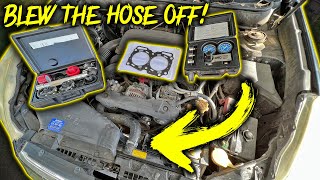
For the 2011-2015 Subaru Outback, there are no specific recalls or technical service bulletins (TSBs) related to widespread radiator hose failure. Problems are typically due to normal aging and wear. Some owners have reported the plastic connection points on the radiator itself can become brittle and break, which would require a new radiator, not just a hose. Overheating in these models can sometimes be misdiagnosed and could be related to other issues like a failing thermostat or, in some cases, head gasket problems which can over-pressurize the cooling system and cause hoses to fail or pop off.
Cost to Replace a Radiator Hose on a 2011-2015 Subaru Outback
| Part/Service | Estimated Cost |
|---|---|
| New Aftermarket Hose (Dayco, Gates) | $18.00 - $41.79 |
| New OEM Subaru Hose | $25.00 - $55.00 |
| Shop Labor | $100 - $180 |
| Total Professional Replacement (1 Hose) | $120 - $225 |
Note: Prices are estimates and can vary based on location, specific part, and repair shop. Labor costs are for a single hose replacement.
Frequently Asked Questions
How often should I replace my Outback's radiator hoses?
There is no strict replacement interval, but a good rule of thumb is to replace them as a preventative measure every four to five years or every 60,000 to 90,000 miles. Always inspect them during regular maintenance.
Should I replace both the upper and lower hoses at the same time?
Yes. Both hoses are exposed to the same conditions and are made of the same material. If one is failing, the other is likely not far behind. Replacing them both at the same time is smart preventative maintenance and can save you on labor costs.
Is replacing a radiator hose a DIY job?
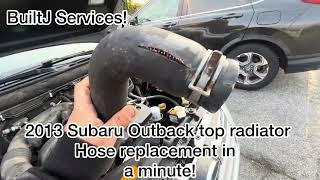
Yes, for someone with basic mechanical skills and tools, this is a very feasible DIY project. The key steps involve draining some coolant, removing the old clamps and hose, installing the new hose and clamps, and then refilling and bleeding the cooling system to remove air bubbles. 🎬 See how to replace the upper radiator hose yourself. Always work on a cool engine.
What kind of coolant should I use in my 2011-2015 Outback?
It is critical to use the correct coolant. For this generation of Subaru Outback, you must use Subaru Super Coolant (blue). Using the wrong type of coolant can lead to cooling system damage.
Helpful Videos
Technical Specifications
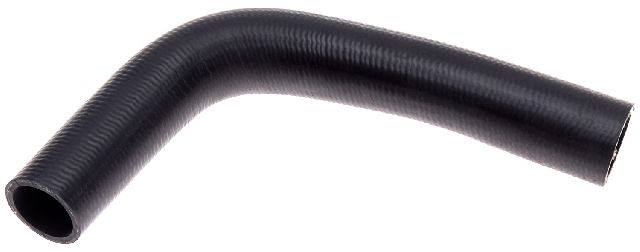
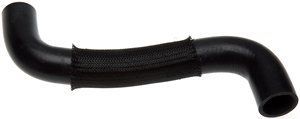
OEM Part Numbers: Upper Hose (2.5L): 45161AJ210 Lower Hose (2.5L): 45161AJ100 Upper Hose (3.6L): 45161AJ110 Lower Hose (3.6L): 45161AJ120
Hoses are vehicle and engine-specific molded parts. Material is typically EPDM (ethylene propylene diene monomer) rubber designed to resist heat, ozone, and chemical degradation from coolant.
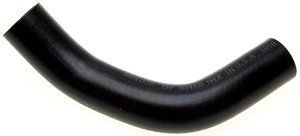
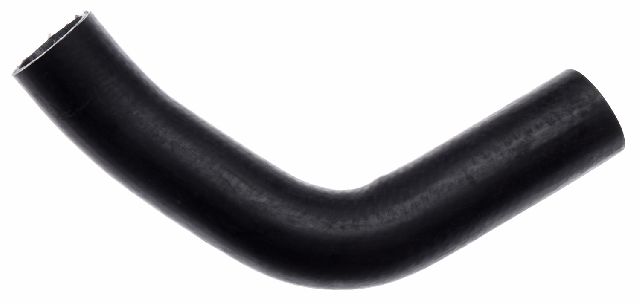
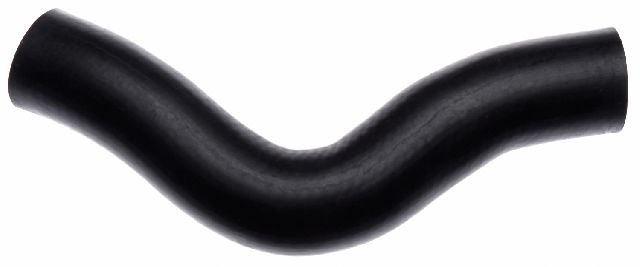
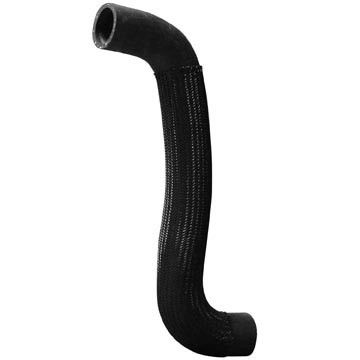
We Have This Part in Stock

The information in this article is provided for general reference and educational purposes only. Vehicle specifications, procedures, and part compatibility can vary by production date, trim level, and region. Always consult your vehicle's factory service manual and verify part numbers before purchasing or performing repairs. Safety-critical components such as airbags, seat belts, and braking systems should be installed by a qualified professional.
- Subaru Outback: